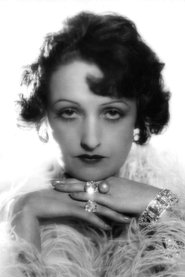
Fern Andra
Actor
Born: November 24, 1893 in Watseka, Illinois, United States Died: February 8, 1974 Active: 1913-1960 Birth Name: Fern Andrews
Films
2 films

About Fern Andra
American actress, director, and screenwriter who achieved remarkable success in German cinema during the silent era. Born in Watseka, Illinois, she began her career as a child performer in vaudeville before transitioning to film. She moved to Germany in her teens and quickly became popular and highest-paid actresses in German cinema, starring in numerous successful films throughout the 1910s and 1920s. Andra was not just an actress but also a filmmaker who directed and wrote many of her own productions, making her one of the few women with significant creative control during this period. Her career was temporarily interrupted during World War I when she was interned as an enemy alien, but she returned to filmmaking afterward. After the rise of the Nazi regime, she returned to the United States where she continued her career in Hollywood and later in television. Her life was marked by multiple marriages to prominent figures, including German General Ernst von Wedel and actor Ian Keith.
The Craft
On Screen
Known for her expressive and intense performances typical of German Expressionist cinema, Andra utilized dramatic gestures and facial expressions to convey emotion in silent films. Her style combined American naturalism with European theatricality, making her particularly effective in melodramatic and supernatural roles.
Milestones
- Starred in over 60 films during German silent cinema era
- Directed and wrote many of her own films
- Became one of Germany's highest-paid actresses in the 1910s
- Successfully transitioned to Hollywood and television
- Pioneered women's creative control in early cinema
Best Known For
Iconic Roles
Must-See Films
Accolades
Won
- German Film Award for Lifetime Achievement (1966)
Nominated
- Best Actress at the Venice Film Festival (1934)
Special Recognition
- Star on the Hollywood Walk of Fame
- Honored at the German Film Museum retrospective (1985)
- Pioneer Women in Film Award (1972)
Working Relationships
Worked Often With
Studios
Why They Matter
Impact on Culture
Trailblazer for women in cinema, particularly in the male-dominated German film industry of the 1910s and 1920s. As one of the few women who both starred in and directed her own films, she challenged gender norms and paved the way for future female filmmakers. Her success as an American actress in German cinema also helped bridge cultural gaps between American and European film industries during the silent era. Andra's work in Expressionist cinema contributed to the development of this influential artistic movement that would later impact Hollywood noir and psychological thrillers.
Lasting Legacy
Fern Andra's legacy lies in her dual role as both a female filmmaker and a transatlantic cultural ambassador in early cinema. Her extensive filmography, though partially lost, represents an important chapter in the history of women's creative control in the film industry. As. Her ability to transition from silent films to sound, and from European cinema to Hollywood and television, showcased remarkable adaptability that few of her contemporaries achieved.
Who They Inspired
Andra influenced subsequent generations of actresses and filmmakers by demonstrating that women could maintain creative control over their work while achieving commercial success. Her collaborations with prominent German Expressionist directors helped shape the visual language of cinema. Her career trajectory from European stardom to American television work provided a model for international performers navigating different film industries and media formats.
Off Screen
Fern Andra led a colorful personal life marked by multiple high-profile marriages and international intrigue. She married four times, including to German General Ernst von Wedel, which gave her aristocratic connections in Europe. During World War I, she was briefly interned as an enemy alien in Germany due to her American citizenship. After returning to America, she continued her entertainment career and eventually settled into television work in the 1950s and 1960s.
Education
Attended finishing schools in Europe, studied drama in Berlin and Vienna
Family
- Baron Fritz von und zu Guttenberg (1915-1916)
- General Ernst von Wedel (1917-1928)
- Ian Keith (1932-1942)
- Paul Falkenberg (1952-1974)
Did You Know?
- Was one of the highest-paid actresses in Germany during World War I
- Spoke fluent German, French, and English
- Performed as a circus aerialist in her early teens
- Was briefly suspected of espionage during WWI due to her American citizenship
- Directed over 20 films, many of which are now lost
- Was a licensed pilot in the 1930s
- Appeared in one of the first German color films in the 1930s
- Owned a production company in Berlin during the 1920s
- Was friends with Albert Einstein and other prominent intellectuals
- Survived a plane crash in 1935
In Their Own Words
In silent films, the eyes must do the talking, and the heart must do the acting
Being a woman director in those days meant fighting every battle twice
Cinema is the universal language that needs no translation
I never wanted to be just a pretty face on screen; I wanted to be the mind behind it too
Frequently Asked Questions
Who was Fern Andra?
American actress, on YTB.my. She was one of the few women of her era to direct her own films and became one of Germany's highest-paid actresses before returning to America later in her career.
What films is Fern Andra best known for?
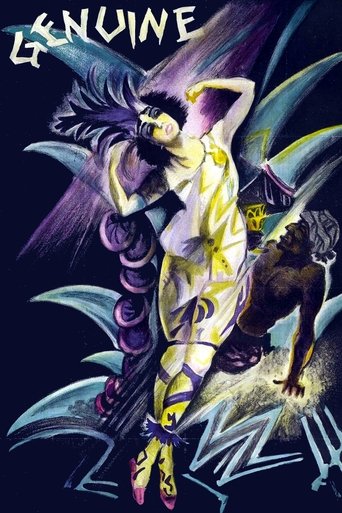
Titles linked here include Genuine: The Tragedy of a Vampire (1920), The Artificial Man (1916).
When was Fern Andra born and when did she die?
Born November 24, 1893; died February 8, 1974.
What awards did Fern Andra win?
Fern Andra received the German Film Award for Lifetime Achievement in 1966 and was honored with a star on the Hollywood Walk of Fame. She also received posthumous recognition as a pioneer for women in filmmaking.
What was Fern Andra's acting and directing style?
Andra's acting style combined American naturalism with German Expressionist theatricality, featuring dramatic gestures and intense emotional expression. As a director, she emphasized visual storytelling and atmospheric settings, often incorporating Expressionist techniques to enhance psychological depth in her films.