
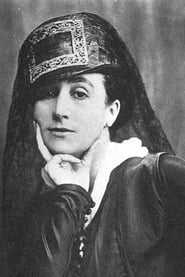
Maria Carmi
Actor
Born: June 9, 1880 in Florence, Italy Died: August 8, 1957 Active: 1916-1916 Birth Name: Norina Gilli
Films
3 films
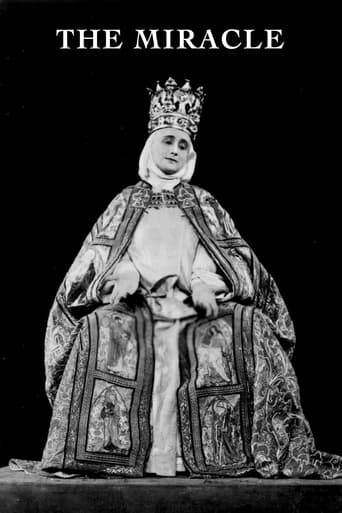
About Maria Carmi
Maria Carmi is credited on a single production — The Artificial Man (1916). Born as Norina Gilli in Switzerland, she began her career on the stage before being discovered for film work. Her most notable appearance was in the 1916 film 'The Artificial Man' (also known as 'L'Uomo artificiale' in its original Italian version), which showcased her dramatic abilities and screen presence during the early days of cinema. Carmi was part of the wave of European talent that crossed the Atlantic during the 1910s, bringing sophisticated theatrical techniques to the burgeoning film industry. Though her film career was brief, spanning primarily around 1916, she made significant contributions to early cinema through her expressive performance style. Her work exemplified the transition from theatrical acting to the more subtle techniques required for film. After her brief stint in cinema, she largely returned to theatrical pursuits, making her film appearances particularly rare and valuable to silent film historians.
The Craft
On Screen
Known for her dramatic and expressive style typical of the silent era, Carmi brought theatrical intensity to her film performances. Her acting emphasized broad gestures and facial expressions to convey emotion without dialogue, a technique honed from her stage background. She demonstrated particular skill in conveying complex emotional states through subtle eye movements and body language.
Milestones
- Starred in 'The Artificial Man' (1916)
- work in early Italian cinema
- Transition from stage to silent film
- Part of early European cinema wave
Best Known For
Iconic Roles
Must-See Films
Accolades
Special Recognition
- Recognized as an important figure in early Italian cinema history
Working Relationships
Worked Often With
Studios
Why They Matter
Impact on Culture
Maria Carmi represents the transitional period between theatrical tradition and cinematic innovation in the early 20th century. Her brief but notable film career exemplifies the migration of European theatrical talent to the new medium of cinema. Through her work in 'The Artificial Man,' she contributed to the development of narrative film techniques and helped establish the dramatic potential of cinema as an art form. Her background in European theater brought a level of sophistication and dramatic depth to early film that influenced subsequent generations of actors transitioning from stage to screen.
Lasting Legacy
Though her film career was extremely brief, Maria Carmi's legacy endures through her contribution to early cinema history and her role as a bridge between European theatrical traditions and emerging cinematic art forms. Her performance in 'The Artificial Man' remains an important example of early dramatic acting in silent film. More significantly, her later spiritual work and association with Meher Baba created a different kind of legacy, influencing spiritual seekers and philosophers. Film historians and silent cinema enthusiasts continue to study her work as an example of the artistic experimentation occurring in cinema during its formative years.
Who They Inspired
Maria Carmi influenced the early development of film acting techniques by demonstrating how theatrical training could be adapted for the camera. Her work helped establish that dramatic intensity could be conveyed through the subtle medium of film, not just through the broad gestures required for stage performance. Her transition from theater to film served as a model for other stage actors of the era who were considering careers in the burgeoning film industry.
Off Screen
Maria Carmi was born Norina Gilli and had a fascinating personal life that intersected with both artistic and spiritual circles. She was married to Max Reinhardt, the renowned Austrian theater director, which significantly influenced her artistic development. Later in life, she became associated with spiritual and philosophical movements, particularly through her connection with the philosopher and spiritual teacher Meher Baba. This spiritual dimension of her life became increasingly important in her later years, overshadowing her artistic career.
Education
Trained in theater and dramatic arts in Europe, likely in Italy and Austria
Family
- Max Reinhardt (1910-1935)
Did You Know?
- Her birth name was Norina Gilli, but she adopted Maria Carmi as her stage name
- She was married to the famous theater director Max Reinhardt for 25 years
- Her film career lasted only one year, making her appearances extremely rare
- She was Swiss-born but worked primarily in Italian and Austrian theater
- After her film career, she became deeply involved with spiritual teacher Meher Baba
- She was one of the first European stage actresses to successfully transition to film
- Her only known film appearance was in the science fiction drama 'The Artificial Man'
- She was part of the artistic avant-garde scene in early 20th century Europe
- Her acting style was heavily influenced by her theatrical training under Reinhardt
- She lived to be 77 years old, outliving most of her contemporaries from the silent era
Frequently Asked Questions
Who was Maria Carmi?
Italian actress from the silent film era, born Norina Gilli, who is best known for her role in the 1916 film 'The Artificial Man'. She had a background in European theater and was married to renowned director Max Reinhardt.
What films is Maria Carmi best known for?
Titles linked here include The Artificial Man (1916).
When was Maria Carmi born and when did she die?
Born June 9, 1880; died August 8, 1957.
What awards did Maria Carmi win?
There are no recorded awards or nominations for Maria Carmi's film work, as her career in cinema was extremely brief and occurred during the very early days of film when formal award systems had not yet been established.
What was Maria Carmi's acting style?
Maria Carmi's acting style was dramatic and expressive, typical of the silent era but refined by her extensive theatrical training. She brought sophisticated stage techniques to film, emphasizing emotional depth through facial expressions and body language.
Was Maria Carmi married?
Yes, Maria Carmi was married to Max Reinhardt, the famous Austrian theater director, from 1910 to 1935. Their marriage significantly influenced her artistic development and connected her to the European theatrical avant-garde.