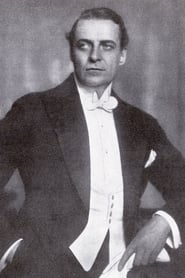
Gunnar Tolnæs
Actor
Born: December 7, 1879 in Bergen, Norway Died: November 9, 1940 Active: 1912-1920 Birth Name: Gunnar Nilsen Tolnæs
Films
2 films
About Gunnar Tolnæs
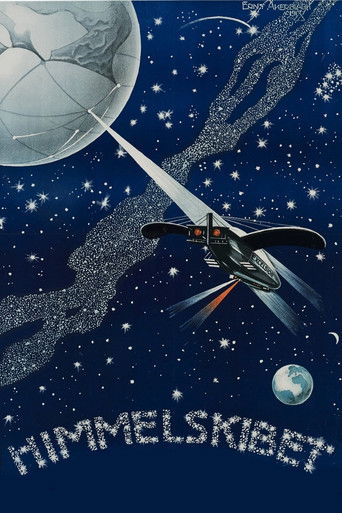
Prominent Norwegian actor who achieved stardom in Danish silent cinema during the 1910s. Born in Bergen, Norway, he moved to Denmark to pursue his acting career and quickly became one of Nordisk Film's most valuable leading men. Tolnæs possessed a commanding screen presence and dramatic intensity that made him particularly well-suited for the theatrical style of silent film acting. His most significant contribution to cinema history came with his starring role in 'Himmelskibet' (A Trip to Mars) in 1918, which stands as one of the earliest feature-length science fiction films ever made. Throughout his career, he appeared in numerous Danish productions, often portraying romantic heroes and dramatic protagonists in films that were distributed internationally. Tolnæs was part of the golden age of Danish cinema, when Danish films were among the most sophisticated and commercially successful in Europe before World War I. His career peaked in the mid-1910s, though he continued acting through the decade before gradually reducing his film appearances as the industry evolved toward sound cinema.
The Craft
On Screen
Tolnæs employed the dramatic, expressive acting style typical of the silent era, using exaggerated gestures and intense facial expressions to convey emotion. His tall, commanding presence and aristocratic bearing made him particularly effective in heroic and romantic roles. He specialized in conveying complex emotional states through subtle eye movements and body language, adapting well to the close-up techniques increasingly used in Danish cinema of the 1910s.
Milestones
- Became leading man for Nordisk Film
- Starred in groundbreaking sci-fi film 'Himmelskibet' (1918)
- International film distribution in Europe and America
- Popular Norwegian actors in Danish cinema
- Pioneer of early science fiction cinema
Best Known For
Iconic Roles
Must-See Films
Accolades
Special Recognition
- Recognized as a pioneer of Scandinavian cinema
- Honored in Danish film history for contributions to Nordisk Film's golden age
Working Relationships
Worked Often With
Studios
Why They Matter
Impact on Culture
Gunnar Tolnæs played a significant role in the international recognition of Danish cinema during its golden age in the 1910s. His starring role in 'Himmelskibet' positioned him as an early pioneer of science fiction cinema, a genre that would later become enormously popular. The film was remarkable for its time, featuring revolutionary special effects and imaginative production design that influenced later science fiction works. Tolnæs helped establish the archetype of the heroic space explorer, and his performance demonstrated how serious dramatic acting could elevate genre material. His work contributed to Denmark's reputation as a producer of sophisticated, artistically ambitious films during the silent era, competing successfully with American and German productions in international markets.
Lasting Legacy
Gunnar Tolnæs is remembered today primarily for his groundbreaking work in early science fiction cinema, particularly 'Himmelskibet,' which remains a significant artifact in film history. His performance as Captain Avanti Planetaros represents one of the earliest depictions of a space explorer in feature film, predating many more famous science fiction works. Tolnæs exemplifies the international nature of early European cinema, where actors like himself could cross national boundaries to find success. His career illustrates the important contribution of Scandinavian actors to the development of silent cinema, particularly in Denmark's influential film industry. While less remembered today than some of his contemporaries, film historians recognize Tolnæs as an important figure in the globalization of cinema and the development of genre filmmaking.
Who They Inspired
Tolnæs influenced subsequent generations of Scandinavian actors who sought international careers, demonstrating that Nordic performers could find success beyond their home countries. His work in science fiction helped establish conventions and character archetypes that would later become standard in the genre. The dramatic intensity and physical expressiveness he brought to his roles influenced the acting style in other Danish and Scandinavian productions of the era. His collaboration with innovative directors like Holger-Madsen contributed to the development of cinematic techniques that would influence filmmakers worldwide.
Off Screen
Gunnar Tolnæs was born into a Norwegian family and showed early interest in the performing arts. He relocated to Denmark to pursue better opportunities in the burgeoning film industry, where he found success and established his career. Tolnæs spent much of his adult life in Copenhagen, becoming an integral part of the Danish film community despite his Norwegian origins. He remained in Denmark until his death in 1940, having witnessed the dramatic transition from silent to sound cinema.
Education
Limited information available, but likely received theatrical training in Norway before moving to Denmark
Family
- Information not readily available in historical records
Did You Know?
- 'Himmelskibet' (A Trip to Mars) was one of the first feature-length science fiction films ever made
- The film was remarkably progressive for its time, depicting Martians as peaceful beings rather than hostile invaders
- Tolnæs was one of the few Norwegian actors to achieve stardom in the Danish film industry
- His films were distributed internationally, including in the United States, making him one of the early international film stars
- Nordisk Film, where Tolnæs worked, was one of Europe's most successful film studios before World War I
- The special effects in 'Himmelskibet' were considered revolutionary for 1918
- Tolnæs often played aristocratic or heroic characters due to his tall stature and commanding presence
- He was part of a generation of Scandinavian actors who helped establish film as a serious art form in Europe
- His career coincided with what many film historians consider the golden age of Danish cinema
- Despite his Norwegian origins, he became more closely associated with Danish cinema in historical records
In Their Own Words
While specific quotes from Tolnæs are not widely documented in surviving records, his performances in silent films conveyed powerful messages about humanity's place in the universe, particularly in 'Himmelskibet' where his character advocated for peace and understanding between worlds.
Frequently Asked Questions
Who was Gunnar Tolnæs?
Norwegian with credits in this catalog. He worked primarily with Nordisk Film and was.
What films is Gunnar Tolnæs best known for?
Titles linked here include Himmelskibet (A Trip to Mars) (1918), Den hvide Død (The White Death) (1913).
When was Gunnar Tolnæs born and when did he die?
Born December 7, 1879; died November 9, 1940.
What awards did Gunnar Tolnæs win?
During the silent era when Tolnæs was active, formal acting awards were not yet established in the film industry. His recognition came through his popularity with audiences and his status as a leading man for the prestigious Nordisk Film studio.
What was Gunnar Tolnæs's acting style?
Tolnæs employed the dramatic, expressive acting style typical of silent cinema, using exaggerated gestures and intense facial expressions to convey emotion. His tall, commanding presence made him particularly effective in heroic and romantic roles, and he specialized in conveying complex emotions through subtle physical movements.