
Films
2 films
About Domingo del Moral
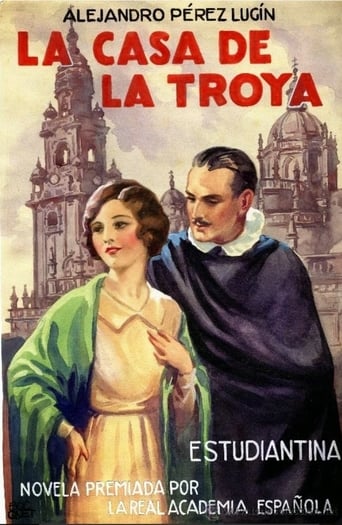
Spanish actor who worked during the silent film era in the mid-1920s. His brief but notable film career consisted of appearances in two significant Spanish adaptations of popular literary works. In 1925, he appeared in 'La casa de la Troya,' an adaptation of Alejandro Pérez Lugín's beloved novel about student life in Santiago de Compostela. The following year, he took a role in 'Currito de la Cruz,' another adaptation of Lugín's work that became filmed Spanish stories. These films were part of the early Spanish cinema movement that sought to adapt national literature to the new medium of film. Del Moral's career, like many silent era actors, appears to have been brief, possibly ending with the transition to sound films or due to the limited opportunities in the Spanish film industry of the time. While his filmography is small, his participation in these important early Spanish literary adaptations places him within the foundational period of Spanish cinema history.
The Craft
Milestones
- Appeared in 'La casa de la Troya' (1925)
- Starred in 'Currito de la Cruz' (1926)
- Participated in early Spanish literary adaptations
- Worked during the golden age of Spanish silent cinema
Best Known For
Must-See Films
Working Relationships
Worked Often With
Why They Matter
Impact on Culture
Domingo del Moral's contribution to cinema, while limited in scope, represents an important part of early Spanish film history. His participation in adaptations of Alejandro Pérez Lugín's works helped bring some of Spain's most beloved literary stories to the screen during the silent era. These films were instrumental in establishing a national cinema that drew from Spain's rich literary tradition, helping to create a cultural identity for Spanish film that would influence future generations. The fact that 'Currito de la Cruz' would be remade multiple times throughout Spanish cinema history demonstrates the enduring appeal of the stories he helped bring to life on screen.
Lasting Legacy
While Domingo del Moral may not be a widely remembered figure in cinema history, his work survives as part of the foundation of Spanish film. His appearances in these early literary adaptations place him among the pioneers who helped establish Spanish cinema's tradition of adapting national literature. The films he appeared in, particularly 'Currito de la Cruz,' became part of the cultural fabric of Spain, with the story being retold in multiple film versions throughout the 20th century. His legacy is tied to these important early works that helped define what Spanish cinema could be.
Who They Inspired
As an actor from the very early days of Spanish cinema, Domingo del Moral's direct influence on later performers is difficult to trace, given the limited documentation of his career and the relatively small scope of his work. However, his participation in establishing the tradition of literary adaptations in Spanish cinema influenced the trajectory of the national film industry, which continued to draw heavily from Spanish literature in subsequent decades.
Off Screen
Very little is documented about the personal life of Domingo del Moral, which is common for many actors from the silent era who had brief careers or worked outside the major film production centers. His limited filmography suggests he may have been a character actor or someone who appeared in films sporadically rather than as a full-time career actor.
Did You Know?
- Appeared in two of the most significant Spanish silent films
- Both films he appeared in were adaptations of works by the same author, Alejandro Pérez Lugín
- 'La casa de la Troya' was one of the first major literary adaptations in Spanish cinema
- 'Currito de la Cruz' would be remade multiple times, including a 1936 sound version and a 1965 version
- His entire known filmography spans only two years, 1925-1926
- Both films he appeared in dealt with distinctly Spanish themes and settings
- The films were part of the effort to create a distinctly national Spanish cinema in the silent era
Frequently Asked Questions
Who was Domingo del Moral?
Spanish with credits in this catalog. Both films were adaptations of popular Spanish literary works by Alejandro Pérez Lugín.
What films is Domingo del Moral best known for?
Titles linked here include La casa de la Troya (1925), Currito de la Cruz (1926).
When was Domingo del Moral born and when did he die?
Specific birth and death dates for Domingo del Moral are not documented in available historical records, which is common for many actors from the silent era who had brief careers outside major film production centers.
What awards did Domingo del Moral win?
There are no documented awards or nominations for Domingo del Moral, which is not unusual for actors from the silent era, particularly those working in early Spanish cinema where formal award systems were not yet established.
What was Domingo del Moral's acting style?
Specific details about Domingo del Moral's acting style are not documented in available sources. As a silent era actor, he would have used the exaggerated physical expressions and gestures typical of the period to convey emotion and narrative.
Why is Domingo del Moral significant in film history?
Domingo del Moral is significant for his participation in early Spanish cinema's efforts to adapt national literature to film. His appearances in 'La casa de la Troya' and 'Currito de la Cruz' represent part of the foundation of Spanish film tradition and the establishment of literary adaptations as a cornerstone of Spanish cinema.