Hanns Heinz Ewers
Actor
Born: November 3, 1871 in Düsseldorf, Germany Died: June 12, 1943 Active: 1901-1943
Films
1 film
About Hanns Heinz Ewers
German writer, poet, filmmaker, and occasional actor who became figures in German horror and supernatural literature of the early 20th century. Born in Düsseldorf in 1871, he initially studied law and art history before turning to writing full-time. His breakthrough came with his collection of macabre stories 'Der Zauberlehrling' (The Sorcerer's Apprentice) in 1901, which established his reputation excelled in horror fiction. Ewers made significant contributions to early German cinema, most notably writing the screenplay for 'The Student of Prague' (1913), considered one of the first independent horror films and a masterpiece of German Expressionism. His literary works often explored themes of duality, madness, and the supernatural, heavily influenced by Edgar Allan Poe and the Decadent movement. During the Nazi era, Ewers initially attempted to cooperate with the regime but was later blacklisted due to his controversial themes and suspected homosexuality. He spent his final years in relative obscurity, dying in Berlin in 1943, largely forgotten by the literary establishment he had once dominated.
The Craft
Milestones
- Published 'Der Zauberlehrling' (1901) establishing his horror writing reputation
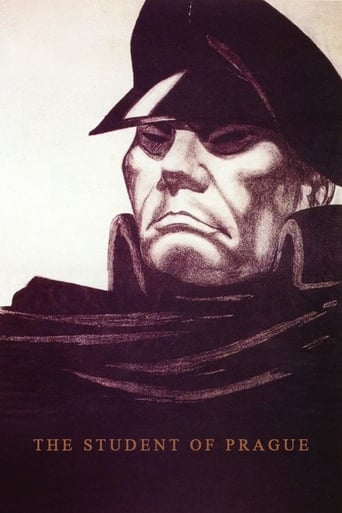
- Wrote screenplay for 'The Student of Prague' (1913), German horror cinema
- Created the novel 'Alraune' (1911) about artificial insemination and moral corruption
- Directed and wrote 'Der Hund von Baskerville' (1914) early Sherlock Holmes adaptation
- Wrote 'Vampire' novel series (1921) exploring supernatural themes
- Contributed to German Expressionist film movement through screenwriting
Best Known For
Iconic Roles
Must-See Films
Accolades
Special Recognition
- Pioneer of German horror cinema
- Influential figure in German Expressionist movement
Working Relationships
Worked Often With
Studios
Why They Matter
Impact on Culture
Hanns Heinz Ewers played a crucial role in establishing horror as a serious literary and cinematic genre in Germany. His work 'The Student of Prague' is considered a foundational text of German Expressionist cinema, influencing filmmakers like F.W. Murnau and Fritz Lang. Ewers' exploration of psychological themes, particularly the doppelgänger concept in 'The Student of Prague', became a recurring motif in horror cinema worldwide. His literary works bridged the gap between 19th-century Gothic traditions and 20th-century modernist sensibilities, helping to define the aesthetic of German Expressionism that would dominate German cinema in the 1920s.
Lasting Legacy
Ewers' legacy is complex and often overlooked due to his controversial association with the early Nazi period. Despite this, his contributions to horror literature and early German cinema remain significant. 'The Student of Prague' continues to be studied as a masterpiece of early horror cinema, and his novel 'Alraune' has been adapted into films multiple times. His exploration of themes like artificial creation, moral corruption, and psychological duality anticipated many science fiction and horror tropes that would become mainstream decades later. Modern scholars have begun to reassess his work, recognizing his artistic merit while critically examining his political choices.
Who They Inspired
Ewers influenced numerous writers and filmmakers across generations. His psychological approach to horror directly influenced the German Expressionist movement, particularly in films like 'The Cabinet of Dr. Caligari' (1920) and 'Nosferatu' (1922). His themes of scientific hubris in 'Alraune' presaged later science fiction horror works. Writers ranging from H.P. Lovecraft to Stephen King have drawn from his macabre sensibilities. In cinema, his work influenced the visual style and thematic concerns of horror directors from Universal Studios in the 1930s to contemporary European horror filmmakers.
Off Screen
Ewers led a controversial and bohemian lifestyle, openly challenging conventional morality through both his work and personal choices. He never married and was known for his extensive travels, including a journey around the world (1905-1906) that greatly influenced his writing. His sexuality remains a subject of scholarly debate, with many historians believing he was homosexual, which contributed to his eventual persecution by the Nazi regime. During World War I, he served as a war correspondent, experiences that influenced some of his later works.
Education
Studied law and art history at the University of Berlin, though he did not complete his degree
Did You Know?
- Wrote the screenplay for 'The Student of Prague' in just three days
- Traveled around the world from 1905-1906, visiting Asia, America, and the Pacific
- His novel 'Alraune' has been adapted into films at least five times between 1918 and 1952
- Was briefly arrested by the Nazis in 1934 but released due to his initial cooperation attempts
- His works were banned and burned by the Nazi regime in 1938
- Spoke multiple languages fluently including English, French, and Spanish
- Was a member of the occult society 'Berlin Lodge' and interested in esoteric practices
- His story 'The Spider' was adapted into a film by Fritz Lang in 1919
- Maintained an extensive collection of occult books and artifacts
- His personal diaries, which could reveal more about his life and relationships, have never been published
In Their Own Words
"The horror that lies in the human soul is more terrible than any monster that can be imagined." - from his preface to 'Der Zauberlehrling'
"Every man carries within him a double, a shadow that waits for the moment to emerge and take control." - theme from 'The Student of Prague'
"Science without conscience is but the soul's perdition." - from 'Alraune'
"The greatest mystery is not what lies beyond death, but what lurks within the living." - from his essay collection 'Nachtmahr'
Frequently Asked Questions
Who was Hanns Heinz Ewers?
German writer, poet, and filmmaker who became famous for his horror and supernatural works. He is best known for writing the screenplay for 'The Student of Prague' (1913), considered one of the first horror films and a masterpiece of German Expressionism. His literary works, including 'Alraune' and his vampire novels, established him excelled in macabre fiction in early 20th-century Germany.
What films is Hanns Heinz Ewers best known for?
Titles linked here include The Student of Prague (1913), Der Hund von Baskerville (1914).
When was Hanns Heinz Ewers born and when did he die?
Born November 3, 1871; died June 12, 1943.
What awards did Hanns Heinz Ewers win?
During his lifetime, Hanns Heinz Ewers did not receive major formal awards, as recognition systems for literature and film were less established in his era. However, he gained significant critical acclaim and commercial success for his works. His legacy is now recognized through his influence on horror literature and cinema, and he is considered a pioneer of German Expressionist film and horror fiction.
What was Hanns Heinz Ewers' writing style?
Ewers' writing style combined Gothic horror influences with modern psychological themes and Decadent literary aesthetics. His works often explored duality, madness, scientific hubris, and supernatural elements. In cinema, he helped develop the visual language of German Expressionism, using symbolism, shadow, and psychological horror to create disturbing atmospheres. His approach emphasized the internal psychological states of characters over external action, making his horror more intimate and unsettling.