Carl Froelich
Director
- Born
- September 5, 1875, Berlin, Germany
- Died
- February 11, 1953
- Active
- 1913-1942
- Birth name
- Carl August Hugo Froelich
Films directed 1
About Carl Froelich
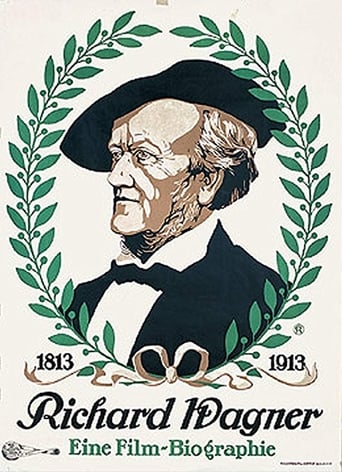
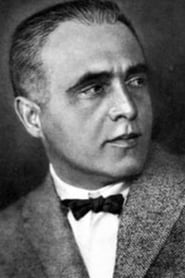
Carl Froelich was a pioneering German film director whose career helped shape the silent era and the transition into early sound cinema in Germany. Born in Berlin, he became active in film in the 1910s and quickly established himself as one of the industry’s early craftsmen, directing prestige productions at a time when German cinema was developing its international identity. He is especially remembered for The Life and Works of Richard Wagner (1913), one of the early biographical films of the period, which reflects his interest in ambitious, culturally significant subjects. Froelich continued working through the Weimar years and into the Nazi era, building a long career that connected the beginnings of German narrative cinema with its more industrialized studio system. In addition to directing, he was also involved in film production and later became an important industry figure, helping found and lead production organizations. He is often discussed in film history as part of the generation of German filmmakers who helped establish the artistic and commercial foundations on which later directors built. His career is notable not for a small set of internationally famous titles, but for his sustained presence across several decades of German film history.
More about Carl Froelich
Behind the camera
Froelich’s directing style belonged to the early European prestige tradition, emphasizing clear visual storytelling, historical or cultural subjects, and a formal approach suited to the silent era. His work appears to have favored dignified presentation, straightforward narrative structure, and subjects with broad public appeal or national cultural resonance. Like many directors of his generation, he worked within the expressive limitations and possibilities of early cinema, relying on composition, staging, and pictorial clarity rather than the later sophistication of sound-era dialogue-driven filmmaking. Because his surviving reputation is based more on historical importance than on a widely studied body of internationally circulated films, his style is usually discussed in terms of his role in institutional and industrial development as much as in purely aesthetic terms.
In film history
Carl Froelich belongs to the foundational generation of German filmmakers who helped transform cinema from a novelty into an organized national industry. His work on early feature-length and prestige-oriented productions contributed to the legitimacy of film as a cultural form in Germany, especially through subjects drawn from music, biography, and history. By directing a film such as The Life and Works of Richard Wagner, he participated in the early canonization of major German cultural figures on screen, a practice that would become more established in later decades. His broader importance lies in the fact that he was not merely a director of isolated films, but a builder of production infrastructure and professional norms during cinema’s formative years.
Later reputation
Froelich’s legacy is strongest within German film history, where he is remembered as part of the first generation of directors who helped define the medium before and after the First World War. Even though he is not as internationally celebrated as some later German directors, his career represents continuity across the silent and early sound eras and illustrates how the German industry evolved into a major European center. He is also significant as an industry figure whose work extended beyond direction into production leadership, making him part of the institutional backbone of early cinema. For historians, Froelich is an important example of a filmmaker whose influence was structural and historical rather than centered on a handful of universally famous titles.
Influence
Froelich influenced later German filmmakers indirectly by helping establish the professional and industrial conditions under which more celebrated directors could work. His emphasis on serious subjects, prestige production values, and organized studio filmmaking helped normalize the idea that cinema could address national culture and historical themes. He also contributed to the broader German tradition of technically disciplined, visually composed filmmaking that later became associated with the strength of the German screen industry. Although his direct stylistic influence is difficult to trace precisely, his institutional role made him part of the foundation on which later generations of filmmakers built.
Off screen
Available biographical information on Froelich’s private life is limited in standard film references compared with more internationally famous directors. He was born and worked in Berlin, and much of his identity in film history is tied to his professional rather than domestic life. He is known to have been active in production and organizational roles within the German film industry, but detailed public information about marriages, family relationships, or children is not widely documented in common reference sources. As with many early film figures, the historical record preserves his career contributions more clearly than his personal biography.
Education
Specific formal education details are not widely documented in readily available film reference sources.
Credits
- Directed The Life and Works of Richard Wagner (1913), an early German biographical film on a major cultural figure.
- Built a long directing career spanning the silent era, the Weimar Republic, and the early sound period.
- Worked on prestige productions that helped define the emerging German studio system.
- Was active not only as a filmmaker but also as an industry organizer and producer.
- Helped establish a professional infrastructure for German cinema through production leadership and studio involvement.
- Remained a significant figure in German film history as one of the early directors bridging pre-World War I cinema and later studio filmmaking.
Films
Honors
- Recognized in film history as an early German cinema pioneer
- Associated with the development of German prestige filmmaking and studio production
Studios
- German early film production companies
- German studio and production organizations
Notes
- He is associated with one of the early cinematic treatments of Richard Wagner, reflecting German cinema’s interest in major cultural personalities.
- His career began in the silent era and extended into the sound period, giving him a long view of film industry change.
- He was active not just as a director but also in production and film organization.
- He was born and worked in Berlin, one of the major centers of early German filmmaking.
- His filmography places him among the first generation of German feature directors.
- Because many early films are lost or obscure, his historical reputation rests more on industry importance than on mainstream modern recognition.
- He is often included in studies of the development of German studio filmmaking before the great international fame of Weimar-era directors.
Questions
Who was Carl Froelich?
Carl Froelich was a German film director and producer who worked from the silent era into the early sound period. He is best remembered as one of the pioneers of early German cinema and for directing The Life and Works of Richard Wagner (1913).
What films is Carl Froelich best known for?
His best-known surviving credit in standard reference lists is The Life and Works of Richard Wagner (1913). He is also remembered more broadly for his long career in German prestige filmmaking and production work rather than for one universally famous title.
When was Carl Froelich born and when did he die?
He was born on September 5, 1875, in Berlin, Germany, and died on February 11, 1953. His life spanned the formative decades of cinema, from the early silent era to the postwar period.
What awards did Carl Froelich win?
No major international awards are widely documented for him in standard reference sources. His recognition is primarily historical, based on his importance to early German film development and production leadership.
What was Carl Froelich's directing style?
His directing style reflected early prestige filmmaking, with an emphasis on clear storytelling, formal staging, and culturally significant subjects. Like many directors of the silent era, he relied on visual composition and narrative clarity rather than later sound-era techniques.
What was Carl Froelich's legacy in film history?
Froelich’s legacy lies in helping establish the foundations of German cinema as an organized, serious cultural industry. He is remembered as an early director-producer whose work connected the beginnings of German film with the mature studio era.