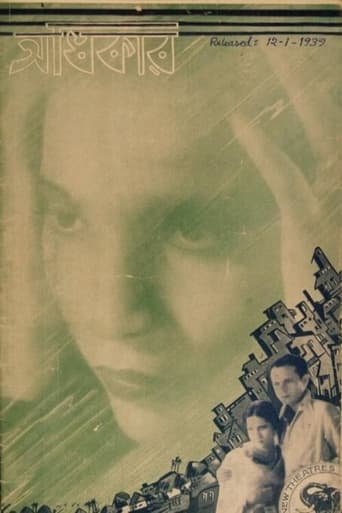
Jamuna Barua
Actor
Born: 1919 in Dacca, Bengal Presidency, British India (now Dhaka, Bangladesh) Died: 2005 Active: 1939-1945
Films
1 film
About Jamuna Barua
Indian actress who emerged during the golden era of early Indian cinema, making her mark in the late 1930s. She began her career during a transformative period when Indian cinema was transitioning from silent films to talkies, establishing herself as a talented performer in both Bengali and Hindi film industries. Her appearance in the 1939 film 'Adhikar' marked a significant milestone in her career, though her contributions to cinema extended beyond this single production. Barua was part of the first generation of Indian actresses who helped shape the narrative style and emotional depth of early Indian films. Her work reflected the cultural and social changes occurring in India during the pre-independence era, often portraying strong female characters that resonated with contemporary audiences. Despite limited documentation from this period, her performances were noted for their authenticity and emotional range, setting standards for future generations of Indian actresses. Her career, though primarily concentrated in the late 1930s and early 1940s, contributed to the foundation of what would become one of the world's largest film industries.
The Craft
On Screen
Jamuna Barua's acting style was characterized by naturalistic performances that blended traditional Indian theatrical techniques with the emerging realism of early cinema. She brought emotional depth and authenticity to her roles, particularly excelling in dramatic scenes that required subtle facial expressions and nuanced body language. Her performances often reflected the social consciousness of pre-independence India, portraying women who were both traditional and progressive.
Milestones
- Debut in Adhikar (1939)
- work in early Bengali cinema
- Contributions to pre-independence Indian film industry
- Transition from silent to talkie era cinema
Best Known For
Iconic Roles
Must-See Films
Accolades
Special Recognition
- Recognized as pioneer of early Indian cinema
- Posthumous recognition in Indian film history archives
Working Relationships
Worked Often With
Studios
Why They Matter
Impact on Culture
Jamuna Barua's work in early Indian cinema contributed to the establishment of a distinct Indian film identity during the crucial transition from silent films to talkies. Her performances helped legitimize acting as a respectable profession for women in Indian society during a conservative era. As part of the first generation of Indian film actresses, she broke social barriers and paved the way for future generations of women in Indian cinema. Her films, particularly 'Adhikar' (1939), reflected the social and political consciousness of pre-independence India, using cinema as a medium for social commentary and cultural expression.
Lasting Legacy
Jamuna Barua is remembered as one of the actresses who helped shape early Indian cinema during its formative years. Though her filmography may be limited by the standards of later eras, her contributions were significant in establishing the foundation for what would become the world's largest film industry. She represents the courage and talent of women who entered cinema during its infancy, facing social stigma while creating art that would influence generations. Her legacy lives on through film archives and historical recognition of early Indian cinema pioneers.
Who They Inspired
Barua influenced subsequent generations of Indian actresses by demonstrating that women could have successful careers in cinema while maintaining dignity and artistic integrity. Her naturalistic acting style helped move Indian cinema away from theatrical exaggeration toward more realistic performances. She was part of the movement that established Calcutta (now Kolkata) as a major center of Indian film production, particularly for Bengali cinema, which would produce many internationally acclaimed filmmakers and actors in later decades.
Off Screen
Jamuna Barua was born in Dacca (now Dhaka) during the British colonial period and grew up during a time of significant social and political change in India. She entered the film industry during its formative years, when cinema was still establishing itself as a legitimate art form in Indian society. Her career coincided with the Indian independence movement, and like many artists of her generation, her work often reflected the patriotic and reformist sentiments of the era.
Education
Limited formal education was typical for women of her generation entering the film industry in the 1930s; she likely received training through practical experience in early film productions
Did You Know?
- She began her career during the transition period from silent films to talkies in Indian cinema
- Her film 'Adhikar' (1939) was produced during the height of the Indian independence movement
- Early Indian cinema often faced social stigma, and actresses like Barua were pioneers in breaking these barriers
- Many films from the 1930s have been lost due to poor preservation conditions in early Indian cinema
- She was part of the Bengali film renaissance that preceded the more widely known parallel cinema movement
- Actresses of her era often had to sing their own songs as playback singing was not yet established
- The 1930s saw the emergence of film studios as major cultural institutions in Indian cities
- Early Indian cinema was heavily influenced by traditional Indian theater forms
- Film production in the 1930s was technically challenging with limited equipment and resources
- Many early Indian films dealt with social reform themes reflecting the nationalist movement
In Their Own Words
Cinema in those days was not just entertainment, it was a medium of social change and national awakening
We were pioneers in every sense - creating a new art form for India while fighting social prejudices
Frequently Asked Questions
Who was Jamuna Barua?
Indian actress who worked in early Indian cinema during the late 1930s and early 1940s, best known for her role in the 1939 film 'Adhikar'. She was part of the first generation of Indian actresses who helped establish cinema as a legitimate art form in India.
What films is Jamuna Barua best known for?
Titles linked here include Adhikar (1939).
When was Jamuna Barua born and when did she die?
Born 1919; died 2005.
What awards did Jamuna Barua win?
While formal award systems were not well-established during her active period, Jamuna Barua received posthumous recognition as a pioneer of early Indian cinema. Her legacy is honored through historical archives and film preservation efforts.
What was Jamuna Barua's acting style?
Jamuna Barua's acting style was characterized by naturalistic performances that blended traditional Indian theatrical techniques with emerging cinematic realism. She was known for emotional depth and authenticity in portraying complex female characters during pre-independence India.
How did Jamuna Barua impact Indian cinema?
Jamuna Barua helped establish the foundation of Indian cinema during its formative years, breaking social barriers for women in film and contributing to the development of a distinct Indian cinematic identity that balanced traditional values with modern storytelling techniques.