
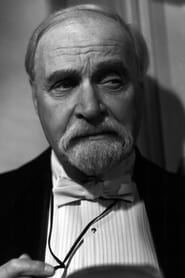
Albert Bassermann
Actor
Born: September 7, 1867 in Mannheim, Grand Duchy of Baden, German Confederation Died: May 15, 1952 Active: 1887-1952
Films
2 films
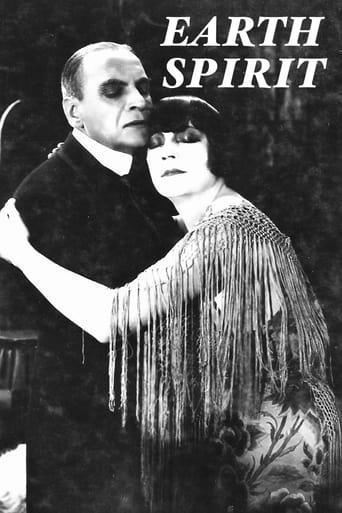
About Albert Bassermann
German stage and film actor: over six decades, beginning in the 1880s and continuing until his death in 1952. Born in Mannheim, Germany, he initially studied engineering before turning to acting, making his stage debut in 1887. Bassermann became one of Germany's most celebrated theatrical performers, particularly known for his work with Max Reinhardt at the Deutsches Theater in Berlin. He transitioned to silent films in the 1910s, appearing in numerous German productions including Ernst Lubitsch's 'The Loves of Pharaoh' (1922). After the rise of the Nazi regime, Bassermann, who was married to a Jewish woman, fled Germany in 1933 and eventually settled in the United States where he continued his acting career in Hollywood films. Despite his advanced age and limited English, he successfully appeared in several American films, including Alfred Hitchcock's 'Foreign Correspondent' (1940), for which he received an Academy Award nomination. Bassemann's career exemplified the transition from 19th-century theatrical traditions to modern cinema, and he remained a respected figure in both European and American film industries until his death.
The Craft
On Screen
Bassermann was known for his intense, psychologically nuanced performances that bridged 19th-century theatrical traditions with modern realism. His acting style emphasized deep character study and emotional authenticity, moving away from the exaggerated gestures common in his era. He brought a naturalistic approach to both stage and screen, with a particular talent for conveying complex inner conflicts through subtle facial expressions and controlled movements. Even in silent films, his performances were noted for their psychological depth and restraint.
Milestones
- Stage debut at Mannheim Court Theatre (1887)
- Member of Max Reinhardt's ensemble at Deutsches Theater
- Starred in Ernst Lubitsch's 'The Loves of Pharaoh' (1922)
- Fled Nazi Germany with his Jewish wife (1933)
- Academy Award nomination for 'Foreign Correspondent' (1940)
- Received an Honorary Academy Award (1948)
Best Known For
Iconic Roles
Must-See Films
Accolades
Won
- Honorary Academy Award (1948)
Nominated
- Academy Award for Best Supporting Actor - 'Foreign Correspondent' (1940)
Special Recognition
- Goethe Medal for Art and Science
- Order of Merit of the Federal Republic of Germany
- Star on the Hollywood Walk of Fame
Working Relationships
Worked Often With
Studios
Why They Matter
Impact on Culture
Albert Bassemann represented the bridge between European theatrical tradition and international cinema, bringing German artistic sensibilities to Hollywood during its golden age. His successful transition from stage to film demonstrated how classical training could enhance cinematic performance, influencing both European and American acting approaches. As a prominent refugee artist who fled Nazi persecution, he became a symbol of artistic resistance and cultural exchange, contributing to the enrichment of American cinema with European theatrical traditions.
Lasting Legacy
Bassermann's legacy lies in his demonstration that mature, classically trained actors could successfully adapt to the new medium of cinema and even cross language barriers. His Academy Award nomination at age 73 for an English-language role proved that talent transcended age and nationality. He is remembered as one of the great character actors of his generation, whose work helped establish the importance of psychological realism in film acting. His career also shows the international nature of cinema and the contributions of refugee artists to Hollywood's golden age.
Who They Inspired
Bassermann influenced subsequent generations of actors by demonstrating the power of understated, psychologically grounded performances in contrast to the theatrical style common in early cinema. His work in both German Expressionist films and Hollywood productions helped bridge these two cinematic traditions. Many character actors who followed, particularly those from European backgrounds, drew inspiration from his ability to convey complex emotions with minimal dialogue and subtle gestures. His successful career in multiple languages and countries paved the way for international actors in Hollywood.
Off Screen
Bassermann married actress Elsa Bassermann (née Sarah) in 1908, a Jewish woman who was also a successful screenwriter and actress. Their marriage endured through the political turmoil of Nazi Germany, with Bassermann refusing to divorce his wife despite pressure from the regime. The couple fled Germany together in 1933, first to Switzerland, then Austria, and eventually to the United States. Bassermann was known for his strong moral character and unwavering support of his wife during the Nazi persecution of Jews.
Education
Studied engineering at Technical University of Karlsruhe before switching to acting; later studied under renowned acting teacher Friedrich Mitterwurzer in Vienna
Family
- Elsa Bassermann (1908-1952, his death)
Did You Know?
- Was nominated for an Academy Award despite not speaking English fluently
- Received an Honorary Oscar for his lifetime achievement in film
- Fled Nazi Germany in 1933 because his wife was Jewish
- Was already 55 years old when he made his film debut
- Continued acting well into his 80s
- Was one of the few German actors to successfully transition to Hollywood during the Nazi era
- His stage active years covered over 40 years before he focused primarily on film
- Worked with both German Expressionist directors and Hollywood studio directors
- Was considered one of Germany's greatest stage actors before turning to film
- His performance in 'Foreign Correspondent' was entirely in English despite his limited language skills
In Their Own Words
The stage is my home, but film is my future
Acting is not about showing, but about being
In America, I learned that silence can speak louder than words
Age is no barrier to art, only to prejudice
Frequently Asked Questions
Who was Albert Bassermann?
Renowned German stage and film with credits in this catalog. He was particularly celebrated for his work in German theater before transitioning to silent films and later becoming a successful character actor in Hollywood after fleeing Nazi Germany.
What films is Albert Bassermann best known for?
Titles linked here include The Loves of Pharaoh (1922), Foreign Correspondent (1940).
When was Albert Bassermann born and when did he die?
Born September 7, 1867; died May 15, 1952.
What awards did Albert Bassermann win?
Bassermann received an Academy Award nomination for Best Supporting Actor for 'Foreign Correspondent' (1940) and was later awarded an Honorary Academy Award in 1948 for his lifetime contribution to film.
What was Albert Bassermann's acting style?
Bassermann was known for his psychologically nuanced, naturalistic acting style that emphasized emotional authenticity and subtle character development rather than theatrical exaggeration. He brought depth and restraint to both his stage and film performances.
Why did Albert Bassermann leave Germany?
Bassermann fled Germany in 1933 after the Nazis came to power because his wife, Elsa, was Jewish. He refused to divorce her despite pressure from the regime and the couple eventually settled in the United States.
How did Albert Bassermann transition to Hollywood films?
Despite being in his 60s and having limited English, Bassermann successfully transitioned to Hollywood by leveraging his expressive acting skills and reputation. He appeared in several major films, proving that talent transcended language barriers.