Yuri Zhelyabuzhsky
Director
Born: 1888 in Moscow, Russian Empire Died: 1955 Active: 1924-1927
Films
3 films
About Yuri Zhelyabuzhsky
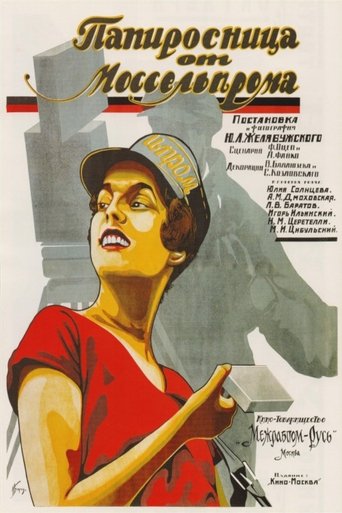
Soviet film director who emerged during the formative years of Soviet cinema in the 1920s. Born in Moscow in 1888, he began his film career during the revolutionary period when the Russian film industry was being nationalized and restructured under Soviet control. His most productive period as a director was from 1924 to 1927, during which he created several notable silent films that showcased the emerging Soviet cinematic style. His most celebrated work, 'The Cigarette Girl of Mosselprom' (1924), became internationally recognized and exemplified early Soviet comedy with social commentary. Zhelyabuzhsky's films often featured everyday Soviet citizens and reflected the dramatic social changes occurring in the young Soviet state. While his directorial career was relatively brief, he made significant contributions to the development of Soviet comedy and narrative filmmaking techniques during this crucial period. After the late 1920s, as Soviet cinema moved toward socialist realism, Zhelyabuzhsky transitioned to other roles in the film industry, though his directorial works remain important examples of early Soviet cinematic art.
The Craft
Behind the Camera
Zhelyabuzhsky's directing style incorporated elements of Soviet montage theory while focusing on accessible narrative storytelling. He specialized in comedy that blended social commentary with entertainment, creating films that both amused and educated Soviet audiences about the new social order. His visual approach combined dynamic camera movement with carefully composed shots that highlighted the contrast between old and new Soviet society. He often used everyday locations and ordinary citizens as subjects, making his films relatable to mass audiences while maintaining artistic sophistication.
Milestones
- Directed 'The Cigarette Girl of Mosselprom' (1924), one of the first Soviet comedies to gain international recognition
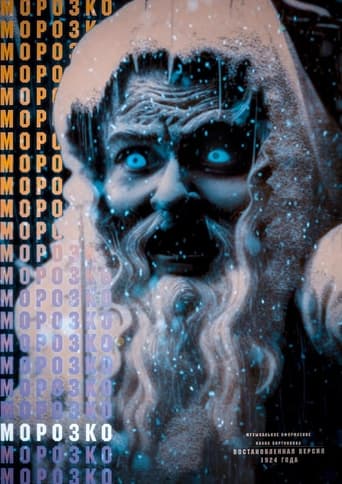
- Created 'Morozko' (1924), an early adaptation of Russian folklore
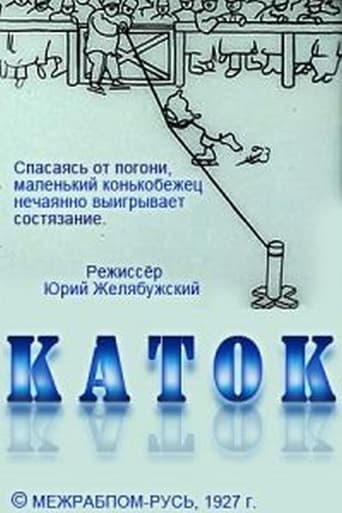
- Completed 'The Ice Rink' (1927), showcasing Soviet urban life
- Contributed to the development of Soviet narrative cinema during its formative years
- Worked during the golden age of Soviet silent film experimentation
Best Known For
Must-See Films
Why They Matter
Impact on Culture
Yuri Zhelyabuzhsky's films, particularly 'The Cigarette Girl of Mosselprom,' represent important milestones in the development of Soviet cinema. His work helped establish the genre of Soviet comedy while demonstrating how entertainment could serve ideological purposes without becoming heavy-handed propaganda. The international recognition his films received helped establish Soviet cinema as a significant artistic force on the world stage during the 1920s. His focus on contemporary Soviet life and ordinary citizens created a visual record of the social transformations occurring during the early Soviet period, providing future generations with valuable insights into this historical era.
Lasting Legacy
Zhelyabuzhsky's legacy lies in his contribution to early Soviet narrative cinema and the development of film comedy in the Soviet context. Though his directorial career was brief, his films continue to be studied by film historians as examples of early Soviet popular cinema. 'The Cigarette Girl of Mosselprom' remains his most enduring work, frequently screened at film festivals and retrospectives of Soviet cinema. His marriage to Yuliya Solntseva created an important artistic lineage in Soviet film history, as she would go on to become.
Who They Inspired
Zhelyabuzhsky influenced subsequent generations of Soviet comedy directors by demonstrating how humor could be effectively combined with social commentary. His films showed that popular entertainment could coexist with artistic innovation and ideological messaging, a balance that many later Soviet filmmakers would attempt to achieve. His work in adapting Russian folklore for the screen in 'Morozko' paved the way for future Soviet filmmakers to explore national cultural themes within the framework of socialist art.
Off Screen
Yuri Zhelyabuzhsky was married to Yuliya Solntseva, who would become one of the first prominent female film directors in the Soviet Union. Solntseva later worked extensively with director Alexander Dovzhenko and became known for her own directorial work, particularly 'The Flaming Sky' (1936). Their marriage represented a significant artistic partnership in early Soviet cinema, though details about their personal relationship are limited in historical records. Zhelyabuzhsky lived through the major transformations of Russian and Soviet society, from the Tsarist era through the Revolution and into the Stalinist period.
Education
Likely received training in early Soviet film workshops or schools that emerged after the 1917 revolution, though specific educational details are not well documented in historical sources.
Family
Did You Know?
- 'The Cigarette Girl of Mosselprom' was one of the first Soviet films to achieve international distribution and recognition
- The film featured cameo appearances by famous Soviet actors including Igor Ilyinsky
- Zhelyabuzhsky was married to Yuliya Solntseva, who became one of the first prominent female film directors in the Soviet Union
- His films often incorporated elements of Soviet montage theory developed by Eisenstein and Kuleshov
- 'Morozko' was an early cinematic adaptation of a classic Russian folk tale about Father Frost
- His directorial career coincided with what many consider the golden age of Soviet silent cinema
- He worked during a period of significant artistic experimentation in Soviet film before the imposition of socialist realism
- His films often featured themes of social transformation and the creation of the new Soviet identity
- 'The Cigarette Girl of Mosselprom' was filmed at the Mosselprom studio,
- His relatively brief directorial career reflects the rapid changes and challenges facing Soviet filmmakers during the transition from silent to sound cinema
Frequently Asked Questions
Who was Yuri Zhelyabuzhsky?
Soviet on YTB.my. He was an important figure in early Soviet cinema, particularly in the development of Soviet comedy and narrative filmmaking.
What films is Yuri Zhelyabuzhsky best known for?
Titles linked here include The Cigarette Girl of Mosselprom (1924), Morozko (1924).
When was Yuri Zhelyabuzhsky born and when did he die?
Born 1888; died 1955.
What was Yuri Zhelyabuzhsky's directing style?
Zhelyabuzhsky's directing style combined Soviet montage theory with accessible narrative storytelling, focusing on comedy that included social commentary. He used everyday locations and ordinary citizens as subjects, making his films relatable while maintaining artistic sophistication.
Was Yuri Zhelyabuzhsky married?
Yes, Zhelyabuzhsky was married to Yuliya Solntseva, who became one of the first prominent female film directors in the Soviet Union. Solntseva later worked extensively with director Alexander Dovzhenko and had her own directorial career.
What is the significance of 'The Cigarette Girl of Mosselprom'?
'The Cigarette Girl of Mosselprom' is significant as one of the first Soviet comedies to gain international recognition and as an example of how Soviet filmmakers blended entertainment with social commentary. The film provides valuable insights into Soviet society during the 1920s and remains Zhelyabuzhsky's most enduring work.
Why was Yuri Zhelyabuzhsky's directorial career so brief?
Zhelyabuzhsky's directorial career was primarily concentrated from 1924-1927, coinciding with major changes in Soviet cinema as the industry transitioned from silent films to sound and as artistic policies shifted toward socialist realism in the late 1920s. Like many filmmakers of this period, he adapted to these changes by transitioning to other roles in the film industry.