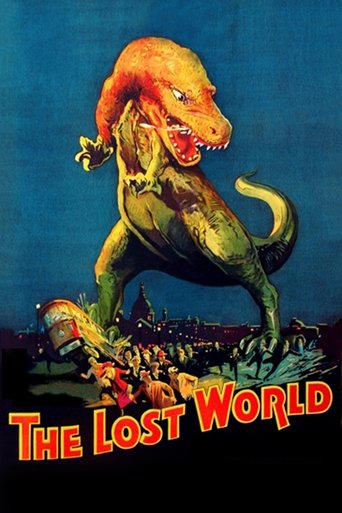
Films
1 film
About Frank Finch Smiles
Frank Finch Smiles appeared in 1925 adventure film 'The Lost World. ' Like many actors of his generation, his career was brief and coincided with the transition period from silent films to talkies. His appearance in 'The Lost World' placed him in special effects films of the 1920s, which featured stop-motion animation by Willis O'Brien. The film was an adaptation of Arthur Conan Doyle's novel and was a major production for First National Pictures. Unfortunately, like many supporting actors from the silent era, detailed records of his life and career are scarce, and his filmography appears to be limited to this single notable production. His career represents the transient nature of early Hollywood, where many performers appeared in a handful of films before leaving the industry.
The Craft
On Screen
Likely employed the exaggerated physical acting style typical of silent film performers, using facial expressions and body language to convey emotion without dialogue
Milestones
- Appeared in 'The Lost World' (1925), one of the first major special effects films
Best Known For
Iconic Roles
Must-See Films
Working Relationships
Studios
Why They Matter
Impact on Culture
Frank Finch Smiles' contribution to cinema, while minor, is part of the foundation of Hollywood's golden age. His participation in 'The Lost World' connected him to. The film itself was a cultural phenomenon that demonstrated cinema's potential for creating fantastical worlds and creatures, paving the way for later monster movies and special effects blockbusters. Even as a small part of this production, he was part of a cinematic milestone that helped establish the adventure and fantasy genres in American film.
Lasting Legacy
Frank Finch Smiles represents the thousands of anonymous performers who contributed to early Hollywood's success. His legacy is tied to 'The Lost World,' which remains an important film in cinema history for its technical innovations and influence on the monster movie genre. While his individual contribution may have been small, he was part of a collaborative effort that created enduring cinematic art. His story illustrates how early film was a collective endeavor, with many unsung contributors helping to create the masterpieces that defined cinema's first decades.
Who They Inspired
As a minor actor with only one known credit, Frank Finch Smiles did not have a significant direct influence on other performers or filmmakers. However, his participation in 'The Lost World' contributed to a film that influenced generations of special effects artists and directors. The film's techniques and approach to creating fantastic creatures on screen would inspire filmmakers from Ray Harryhausen to Steven Spielberg, making even the smallest contributors to its creation part of cinema's evolutionary chain.
Off Screen
Very little is known about Frank Finch Smiles' personal life, which was common for minor actors in the silent era who did not achieve lasting fame. Like many supporting performers of his time, personal details were not extensively documented in film industry publications or press coverage.
Did You Know?
- Appeared in what is considered one of the first major feature films to extensively use stop-motion animation
- The Lost World (1925) was
- The film featured live-action scenes combined with stop-motion dinosaurs created by Willis O'Brien
- Frank Finch Smiles' name is quite distinctive and unusual for the era, possibly suggesting it might be a stage name
- The Lost World was a major box office success and helped establish the adventure film genre
- Many actors from silent films with brief careers like Smiles' have incomplete biographical records
- The film's special effects were so impressive for their time that some audiences believed real dinosaurs had been filmed
Frequently Asked Questions
Who was Frank Finch Smiles?
Screen credits include the 1925 film 'The Lost World.' His career appears to have been brief, with this being his only known film credit, which was typical for many supporting actors of the period.
What films is Frank Finch Smiles best known for?
Titles linked here include The Lost World (1925).
When was Frank Finch Smiles born and when did he die?
Unfortunately, specific birth and death dates for Frank Finch Smiles are not documented in available historical records, which is common for minor actors from the silent era who did not achieve lasting fame.
What awards did Frank Finch Smiles win?
There are no records of Frank Finch Smiles receiving any major awards or nominations, which was typical for supporting actors in silent films who often worked without formal recognition.
What was Frank Finch Smiles' acting style?
While specific details about his acting style aren't documented, he likely employed the exaggerated physical acting style typical of silent film performers, using broad gestures and facial expressions to convey emotion without the benefit of synchronized dialogue.