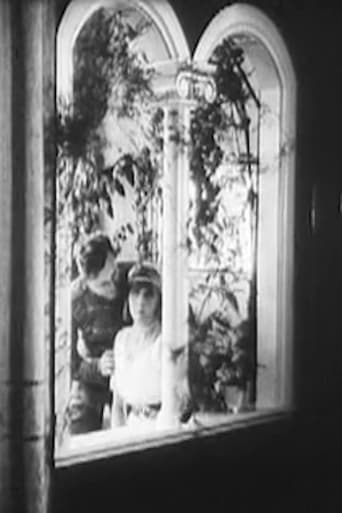
J. Lange
Actor
- Active
- 1914-1914
Films 1
About J. Lange
J. Lange is a scarcely documented silent-era screen actor whose surviving credit is associated with the 1914 production For the Fatherland. Like many performers from the earliest years of cinema, he appears in contemporary film records only in abbreviated form, which suggests that he worked in an era when cast documentation was often incomplete and many supporting players left little biographical trace. The available record indicates an active screen presence in 1914, but no reliable surviving evidence has been found for a longer film career, stage background, or later talkie-era activity. Because his name is recorded only as "J. Lange" in the available filmography, it is difficult to separate him confidently from other similarly named individuals in later entertainment history, so caution is warranted in attributing additional credits. His surviving significance lies primarily in his participation in the early feature-film period, when war-themed and patriotic dramas were a common part of international cinema. For the Fatherland is therefore the key anchor for his film history, but beyond that role, the archival record is too thin to support detailed claims about his life, training, or later career. In classic film databases, he remains one of many early screen figures whose names survive even when their personal histories do not.
More about J. Lange
In film history
J. Lange's cultural significance is limited by the fragmentary survival of records, but his name is still part of the historical fabric of early cinema. Performers like him helped populate the silent film industry during a period when motion pictures were rapidly becoming a mass entertainment form, even though many of these actors were not individually documented in depth. His presence in For the Fatherland places him within the wartime screen culture of the 1910s, when patriotic themes and melodramatic national narratives were especially common. In a broader archival sense, he represents the many lost or shadowed careers that remind historians how incomplete the silent-era personnel record often is.
Later reputation
J. Lange's legacy is primarily archival rather than celebrity-based. He survives in film history as a credited participant in an early silent feature, illustrating how many actors contributed to the development of cinema without leaving behind extensive personal documentation. For researchers and database curators, his name is a reminder of the challenges involved in identifying performers from the 1910s, when credits were inconsistent and many careers were not systematically recorded. His continued listing in filmographies helps preserve the memory of the earliest generation of screen talent, even when little else can be confirmed about his life.
Influence
No direct influence on later actors or filmmakers can be verified from the surviving evidence. However, as part of the silent-era acting workforce, he contributed to the performance conventions and production practices that shaped early screen acting. The broader influence of performers like J. Lange lies in their participation in an industry that established the foundations of feature-film storytelling, even if individual attribution has been lost or obscured. His example also underscores the importance of archival preservation and historical reconstruction in film scholarship.
Off screen
No reliable biographical details about J. Lange's personal life have been verified in the surviving record. Information regarding marriages, family relationships, residence, education, and later life is not available from the sources typically used to reconstruct silent-era careers. As a result, any claims beyond his credited screen appearance would be speculative. He should therefore be treated as an unidentified or minimally documented early film performer rather than a fully profiled historical celebrity.
Credits
- Appeared in the 1914 silent film For the Fatherland
- Represents one of the many early cinema performers whose documented screen work survives only in sparse filmographic references
- Was active during the formative years of feature-length silent filmmaking
- Associated with wartime or patriotic dramatic cinema of the pre-World War I era
Roles
- Role in For the Fatherland (1914)
Films
- For the Fatherland (1914)
Notes
- J. Lange is documented in surviving film records primarily by a single initial and surname, making identification difficult.
- His known screen activity falls within 1914, one of the key formative years of silent feature production.
- He is associated with For the Fatherland, a title that reflects the patriotic and wartime themes common in the pre-World War I screen era.
- No verified record of later talkie-era work has been found for him.
- No reliable birth or death information has been established in standard film reference materials.
- He is an example of the many early film performers whose names survive while most personal details have been lost.
- Because of the brevity of the historical record, he should not be confused with later entertainers or stage figures with similar surnames.
Questions
Who was J. Lange?
J. Lange was a silent-era film actor known from surviving records for appearing in For the Fatherland (1914). Beyond that credit, the historical record is extremely limited, and few personal details have survived. He remains a largely undocumented figure from the earliest years of cinema.
What films is J. Lange best known for?
He is best known for For the Fatherland (1914), which is the principal surviving credit associated with his name. No additional verified feature-film credits have been confidently established from the available record. His filmography appears to have been very small, or at least very incompletely preserved.
When was J. Lange born and when did he die?
His birth and death dates are not currently documented in the surviving film reference record. Likewise, his birthplace and death place are unavailable. Because the archival trail is so sparse, those details remain unknown.
What awards did J. Lange win?
No awards or formal honors are documented for J. Lange. This is not unusual for early silent-era performers, many of whom worked before modern awards systems were established. His significance is historical rather than award-based.
What was J. Lange's acting style?
No direct description of his personal acting style has survived. As a performer in 1914, he would have worked within the expressive, visually clear acting conventions of early silent cinema, but anything more specific would be speculative. Without reviews, photographs, or multiple surviving credits, his individual style cannot be reliably reconstructed.
What is J. Lange's legacy in film history?
His legacy is primarily that of a documented participant in the earliest period of feature filmmaking. While he is not a widely known star, his name helps preserve the record of the many actors who helped build silent cinema. For historians, he represents the incomplete but important human record behind early motion pictures.