John Coit Spooner
Actor
Born: January 31, 1843 in New Berlin, Wisconsin, USA Died: June 11, 1919 Active: 1901-1901 (in film)
Films
1 film
About John Coit Spooner
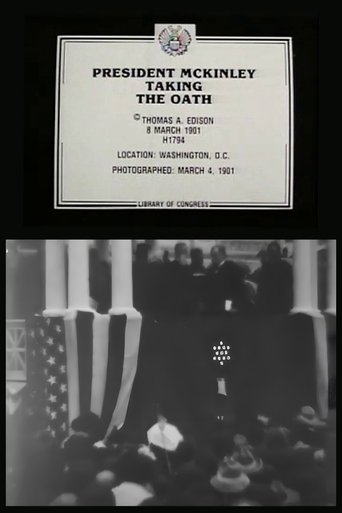
American politician and statesman who had a brief but notable appearance in one of the earliest examples of American political documentary cinema. His career was primarily by his long and influential service in the United States Senate, where he was a leading Republican figure from Wisconsin known for his expertise in constitutional law and his conservative fiscal policies. Spooner's political from his early days as a district attorney to his tenure as a Senator, where he was instrumental in shaping legislation related to tariffs, currency, and railroad regulation. His appearance in the 1901 Edison film 'President McKinley Taking the Oath' was not an acting role but rather a historical document, as he was present at the inauguration of President William McKinley. This film captures a significant moment in American history, and Spooner's presence underscores his prominence in national politics at the time. After retiring from the Senate in 1907, he returned to his law practice and remained an influential figure in Republican politics until his death in 1919. His legacy is primarily political, but his appearance in this early film places him among the first political figures to be captured in motion pictures.
The Craft
Milestones
- Served as United States Senator from Wisconsin (1885-1891, 1897-1907)
- Authored the Spooner Act, which enabled the construction of the Panama Canal
- Served as Chairman of the Senate Committee on Rules
- Elected to the American Academy of Arts and Sciences in 1911
- Present at the inauguration of President William McKinley in 1901
Best Known For
Iconic Roles
Must-See Films
Accolades
Special Recognition
- Elected to the American Academy of Arts and Sciences (1911)
- Spooner Hall at Lawrence University named in his honor
- Spooner, Wisconsin named in his family's honor
Working Relationships
Studios
Why They Matter
Impact on Culture
John Coit Spooner's cultural impact is primarily rooted in his political legacy, but his appearance in an early motion picture provides a unique intersection of his political career with the nascent art of cinema. The film 'President McKinley Taking the Oath' is a valuable historical artifact that captures a real political event, and Spooner's presence as a key senator of the era adds to its historical significance. This early form of political documentary helped establish a precedent for filming important state occasions, a practice that would become commonplace in the 20th century. While not a film star, his inclusion in this cinematic record demonstrates how early cinema began to document and preserve the images of contemporary political leaders for posterity.
Lasting Legacy
John Coit Spooner's lasting legacy is that of a formidable U.S. Senator whose legislative work had a profound impact on American infrastructure and economic policy, most notably through the Spooner Act that paved the way for the Panama Canal. His reputation as a constitutional scholar and a master of Senate procedure earned him the nickname 'the brain of the Senate' during his tenure. In the context of film history, his legacy is as an early example of a real political figure captured in motion pictures, providing a tangible link between the political establishment of the Gilded Age and the emerging medium of cinema. This dual legacy in both politics and film history makes him a unique figure in the early 20th century.
Who They Inspired
As a political figure, Spooner influenced generations of legislators through his conservative fiscal principles and his sophisticated understanding of constitutional law, mentoring younger senators and shaping Republican party policy for decades. His influence on cinema is indirect but significant; by participating in one of the earliest political documentaries, he contributed to the historical record that would inform future filmmakers and historians about the political figures of his era. His appearance helped legitimize the use of film as a medium for documenting important civic events, a practice that has become integral to how societies record and remember their political milestones.
Off Screen
John Coit Spooner was born into a prominent family in Wisconsin and was raised in a politically active environment. He married Frances L. Warner in 1863, and together they had two children, a son and a daughter. His family life was relatively private, with much of his public focus dedicated to his demanding political career and legal practice. After the death of his first wife, he remarried. He was known for his sharp intellect and his dedication to public service, which often kept him away from home for extended periods.
Education
Attended the University of Wisconsin-Madison; Graduated from the Law Department of the University of Wisconsin in 1864
Family
- Frances L. Warner (1863-1900)
- Annie M. Spooner (1901-1919)
Did You Know?
- He was a member of the prominent Spooner family, which included his cousin, Senator Lyman Trumbull.
- The town of Spooner, Wisconsin, was named after his father, not him.
- He was known for his photographic memory and could recite long passages of legal text from memory.
- Despite his conservative views, he was a close friend and political ally of the progressive leader Robert M. La Follette early in their careers before they became rivals.
- He declined appointments to the United States Supreme Court on two separate occasions.
- The film he appeared in was produced by the Edison Manufacturing Company, one of the earliest and most prolific film studios in America.
- His most famous legislative achievement, the Spooner Act of 1902, was passed after he had already left the Senate, demonstrating his continued influence.
- He was a skilled orator, and his speeches were widely quoted in newspapers across the country.
In Their Own Words
The Constitution is a limitation on the government, not on private individuals. It does not prescribe the conduct of private individuals, only the conduct of the government.
A public office is a public trust.
I have always believed that the best way to destroy an enemy is to make him a friend.
Frequently Asked Questions
Who was John Coit Spooner?
Prominent American politician and U.S. Senator from Wisconsin, known for his expertise in constitutional law and fiscal conservatism. He served in the Senate for two separate periods and was instrumental in major legislation like the Spooner Act. His appearance in the 1901 film 'President McKinley Taking the Oath' makes him a notable figure in early cinema history.
What films is John Coit Spooner best known for?
Titles linked here include President McKinley Taking the Oath (1901).
When was John Coit Spooner born and when did he die?
Born January 31, 1843; died June 11, 1919.
What awards did John Coit Spooner win?
John Coit Spooner did not receive any film industry awards. His honors were primarily academic and civic, including being elected to the American Academy of Arts and Sciences in 1911 and having buildings and a town named in his family's honor to recognize his significant political contributions.
What was John Coit Spooner's acting/directing style?
John Coit Spooner was not an actor or director, so he did not have a defined artistic style in filmmaking. His appearance in 'President McKinley Taking the Oath' was that of a real political figure attending a historical event, captured by the Edison Manufacturing Company's cameras as a form of documentary record.
What is the Spooner Act?
The Spooner Act of 1902 was a pivotal piece of legislation authored by John Coit Spooner that authorized President Theodore Roosevelt to acquire the assets of the French Panama Canal Company and to build a canal across the Isthmus of Panama. This act was essential for the eventual construction of the Panama Canal, a monumental engineering achievement.
Why is John Coit Spooner included in a film database?
John Coit Spooner is included in film databases due to his documented appearance in the 1901 film 'President McKinley Taking the Oath.' This film is a significant artifact from the silent era, and his inclusion highlights the early practice of capturing real political figures and events on motion picture film, a crucial aspect of cinema's historical development.