Joseph Gurney Cannon
Actor
Born: May 7, 1836 in Guilford, North Carolina, United States Died: November 12, 1926 Active: 1858-1923 (political career), 1901 (film appearance)
Films
1 film
About Joseph Gurney Cannon
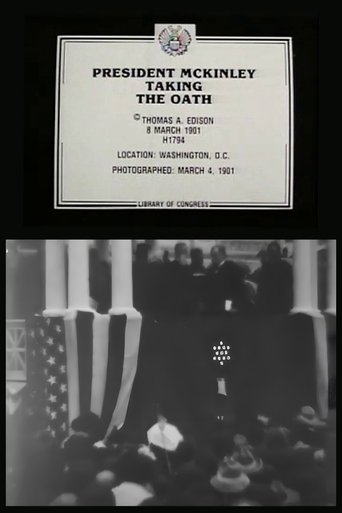
Joseph Gurney Cannon was not a professional actor but rather powerful and influential American politicians of the late 19th and early 20th centuries, who appeared in early documentary films. Born in North Carolina and raised in Indiana, Cannon served as a Republican member of the U.S. House of Representatives for nearly 50 years, becoming Speaker of the House from 1903 to 1911. His appearance in 'President McKinley Taking the Oath' (1901) was as himself, documenting his presence at the historic inauguration ceremony. Cannon was known for his autocratic control of the House and his colorful, often profane speaking style that earned him the nickname 'Uncle Joe.' His political from the Civil War era through World War I, making him one of the longest-serving congressmen in American history. The film captures him during his rise to national prominence, just two years before he would assume the Speaker's chair. His appearance in early cinema represents how documentary films of the era captured real historical events and figures rather than using professional actors.
The Craft
Milestones
- Elected to U.S. House of Representatives (1873)
- Became Chairman of the Appropriations Committee (1899)
- Speaker of the House (1903-1911)
- One of the first major political figures captured on film
- Served 23 non-consecutive terms in Congress
- Known as
Best Known For
Iconic Roles
Must-See Films
Accolades
Special Recognition
- Cannon House Office Building in Washington D.C. Named in his honor (1962)
- Portrayed on the cover of Time magazine (1923)
- Numerous schools and public buildings named after him across Illinois
Working Relationships
Worked Often With
Why They Matter
Impact on Culture
Joseph Gurney Cannon's appearance in early documentary films represents the intersection of politics and emerging cinema technology in the early 20th century. His presence in 'President McKinley Taking the Oath' makes him one of the first major American political figures to be captured on motion picture film, providing historians with invaluable visual documentation of the era. Cannon's autocratic style as Speaker of the House led to significant reforms in congressional procedures, including the 1910 revolt that diminished the Speaker's power. His colorful personality and political dominance made him a household name during his era, and his nickname 'Uncle Joe' reflected both his folksy charm and his commanding presence in American politics.
Lasting Legacy
Joseph Gurney Cannon's legacy is primarily political, but his appearance in early cinema adds an important dimension to his historical significance. He is remembered as. His film appearances, though brief, provide modern audiences with a rare glimpse of early 20th-century political figures in motion, bridging the gap between written history and visual documentation. Cannon's era marked the beginning of politicians being regularly captured on film, a practice that would become essential to American political culture throughout the 20th century and beyond.
Who They Inspired
Cannon's influence on American politics was profound, establishing precedents for Speaker power that would be studied and debated for generations. His leadership style influenced subsequent Speakers and congressional leaders, and the reforms that emerged in response to his autocratic rule shaped the modern House of Representatives. His appearance in early films helped establish the precedent for documenting political events on camera, influencing how future generations would experience and understand American politics through visual media. The combination of his political significance and early film documentation makes him a unique figure in the intersection of American political and cinema history.
Off Screen
Joseph Gurney Cannon married Mary P. Reed in 1862, and they had two daughters. His wife died in 1908, and he never remarried. Cannon was known for his folksy, unpretentious lifestyle despite his political power, often appearing in rumpled clothing and speaking in plain, sometimes profane language. He was a devout Methodist and maintained strong ties to his home state of Illinois throughout his career. His daughter, Helen, married Congressman Medill McCormick, continuing the family's political legacy. Cannon remained active in politics until shortly before his death at age 90.
Education
Self-educated, attended local schools in Indiana, studied law independently
Family
- Mary P. Reed (1862-1908)
Did You Know?
- One of the first major American politicians captured on motion picture film
- Known for his colorful language and once said 'I am the chairman of the Appropriations Committee and I can appropriate anything I want'
- The Cannon House Office Building was named after him 36 years after his death
- Was a strong supporter of Theodore Roosevelt until they had a falling out
- Known for his distinctive walrus mustache and rumpled appearance
- Once threw a House member out of the chamber physically
- His political active years covered from Lincoln's presidency through Calvin Coolidge's
- Was featured on the cover of the first issue of Time magazine in 1923
- Known as 'Uncle Joe' to both supporters and opponents
- His autocratic style led to the 1910 'Cannon Revolt' in Congress
In Their Own Words
'This country is a hell of a success. It's the best God-damned country in the world.'
'I am the chairman of the Appropriations Committee and I can appropriate anything I want.'
'Sometimes in politics one must duel with skunks, but no one should be fool enough to allow skunks to choose the weapons.'
'The country is not governed by the majority. It's governed by the majority who bother to show up.'
Frequently Asked Questions
Who was Joseph Gurney Cannon?
Powerful American politician who served as Speaker of the House from 1903-1911 and appeared in early documentary films. He was.
What films is Joseph Gurney Cannon best known for?
Titles linked here include President McKinley Taking the Oath (1901).
When was Joseph Gurney Cannon born and when did he die?
Born May 7, 1836; died November 12, 1926.
What awards did Joseph Gurney Cannon win?
Cannon did not receive traditional awards but was honored with the naming of the Cannon House Office Building in Washington D.C. In 1962. He was also featured on the cover of Time magazine in 1923 as one of America's most influential figures.
What was Joseph Gurney Cannon's political significance?
Cannon was. His leadership style led to significant congressional reforms and his influence shaped early 20th-century American politics.