Films
1 film
About Gertrude Braun
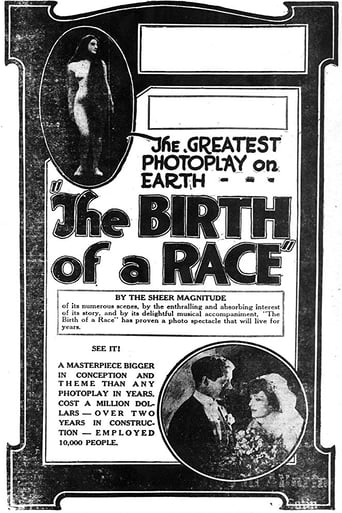
Gertrude Braun is credited on a single production — The Birth of a Race (1918). ' This film was created as a direct response to D.W. Griffith's controversial 'The Birth of a Nation' (1915), aiming to present a more positive and authentic portrayal of African American life and history. Braun was one of several performers in this ambitious production, which sought to counteract the racist stereotypes perpetuated by Griffith's film. Unfortunately, like many actors from the early silent era who had brief careers, detailed documentation about Braun's life, background, and career trajectory remains extremely limited. Her appearance in 'The Birth of a Race' represents her entire known filmography, making her a representative example of the many performers who contributed to early cinema but left behind minimal historical records.
The Craft
Milestones
- Appeared in 'The Birth of a Race' (1918), a African American response film
Best Known For
Must-See Films
Why They Matter
Impact on Culture
Gertrude Braun's participation in 'The Birth of a Race' places her within the important context of early African American cinema resistance. The film itself was a groundbreaking attempt to counteract the harmful stereotypes and historical distortions presented in D.W. Griffith's 'The Birth of a Nation.' Although Braun's individual contribution was small and her role likely minor, she was part of a collective effort to create more authentic representations of African American experiences on screen during a period when such attempts were rare and challenging. The film represented an early form of cinematic activism and demonstrated the African American community's determination to control their own narrative in the emerging medium of motion pictures.
Lasting Legacy
Gertrude Braun's legacy is primarily tied to her involvement in one of the earliest African American response films in cinema history. While she did not achieve lasting fame or recognition, her participation in 'The Birth of a Race' represents the contributions of countless performers from the silent era who helped pave the way for future generations of African American actors and filmmakers. The film itself, though not commercially successful, remains historically significant as an early example of African American resistance to racist media representation and the community's efforts to create their own cinematic narratives during the formative years of Hollywood.
Who They Inspired
As a minor performer with only one known film credit, Gertrude Braun's direct influence on subsequent actors and filmmakers is difficult to trace. However, her participation in 'The Birth of a Race' contributes to the broader historical narrative of African American resistance in cinema and the ongoing struggle for authentic representation in film. The film itself, despite its commercial failure, demonstrated the importance of African American control over their own stories, a principle that would influence generations of Black filmmakers and performers who followed.
Off Screen
Very little is known about Gertrude Braun's personal life, which is typical for many minor actors from the silent era whose careers were brief and occurred before comprehensive record-keeping in the film industry.
Did You Know?
- 'The Birth of a Race' was produced as a direct response to D.W. Griffith's controversial 'The Birth of a Nation' (1915)
- The film was advertised as 'the most expensive and elaborate production ever undertaken by Race people'
- Production of 'The Birth of a Race' was troubled, with financial difficulties and creative disagreements
- The original concept for the film was more ambitious but had to be scaled back due to budget constraints
- Despite its historical significance, 'The Birth of a Race' was not a commercial success and is now considered a lost film
- Gertrude Braun was one of many performers in the production whose individual contributions have been largely lost to history
- The film represented an early attempt at African American control of cinematic representation during the Jim Crow era
- Many details about the cast and crew of 'The Birth of a Race' remain poorly documented due to the passage of time
Frequently Asked Questions
Who was Gertrude Braun?
Screen credits include the 1918 film 'The Birth of a Race.' She had a very brief career, with this being her only known film credit, making her one of many minor performers from early cinema whose contributions have been largely lost to history.
What films is Gertrude Braun best known for?
Titles linked here include The Birth of a Race (1918).
When was Gertrude Braun born and when did she die?
Unfortunately, specific birth and death dates for Gertrude Braun are not available in historical records, which is common for minor actors from the silent era who had brief careers and limited documentation.
What awards did Gertrude Braun win?
There are no records of Gertrude Braun receiving any awards or nominations, which is typical for performers with very brief careers in the early silent film period before formal award systems were established.
What was Gertrude Braun's acting style?
Due to the limited documentation of her career and the fact that her only known film is now considered lost, there is no available information about Gertrude Braun's specific acting style or techniques.
Why is 'The Birth of a Race' historically significant?
'The Birth of a Race' is historically significant as one of the earliest African American response films, created to counteract the racist stereotypes in D.W. Griffith's 'The Birth of a Nation.' It represented an important early attempt by African Americans to control their own cinematic narrative during the Jim Crow era.