Viola Allen
Actor
Born: October 27, 1867 in Huntsville, Alabama, United States Died: May 9, 1948 Active: 1882-1923 Birth Name: Viola Emily Allen
Films
1 film
About Viola Allen
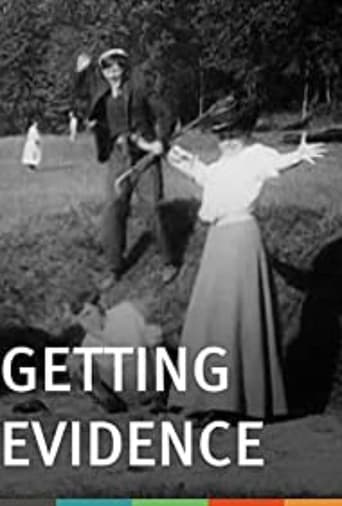
American stage actress of the late 19th and early 20th centuries, the foremost Shakespearean interpreters of her generation. Born into a theatrical family, she made her stage debut as a child and quickly rose to prominence on Broadway, becoming known for her powerful dramatic performances and classical roles. While primarily celebrated for her extensive stage career spanning over four decades, she did make a brief foray into early cinema with her appearance in the 1906 film 'Getting Evidence.' Her stage repertoire included roles in plays by Shakespeare, Ibsen, and contemporary dramatists, earning her critical acclaim and a devoted following. Allen was particularly noted for her portrayals of Shakespearean heroines, with her performances in 'Romeo and Juliet' and 'As You Like It' considered definitive interpretations of her era. She retired from the stage in the 1920s but remained a respected figure in theatrical circles until her death in 1948, leaving behind a legacy as one of America's greatest classical actresses.
The Craft
On Screen
Known for her dignified, emotionally intelligent performances with exceptional vocal projection and classical technique. Allen brought intellectual depth and psychological realism to her Shakespearean roles, moving away from the melodramatic style prevalent in the 19th century. Her approach emphasized subtlety and naturalism while maintaining the poetic grandeur required by classical texts.
Milestones
- Broadway debut in 'Esmeralda' (1882)
- Leading lady at the Lyceum Theatre under Daniel Frohman
- Critically acclaimed Shakespearean roles in the 1890s
- Successful tour of England in 1895
- Appearance in early film 'Getting Evidence' (1906)
- Final stage performance in 'The Lady of Camellias' (1923)
Best Known For
Iconic Roles
Must-See Films
Accolades
Special Recognition
- Inducted into the American Theatre Hall of Fame
- Featured on a US postage stamp honoring American stage legends
Working Relationships
Worked Often With
Studios
Why They Matter
Impact on Culture
Viola Allen played a crucial role in elevating American theatre to international artistic standards during the late Victorian and Edwardian periods. Her sophisticated approach to Shakespeare helped establish classical theatre as serious art in America, challenging the notion that European actors were inherently superior in classical roles. She contributed to the cultural refinement of American society by making high-quality theatre accessible to broader audiences and championing artistic integrity over commercial considerations.
Lasting Legacy
Allen's legacy endures through her influence on American classical theatre performance standards and her role in establishing Shakespeare as a legitimate part of American theatrical repertoire. She helped bridge the gap between 19th-century melodramatic acting and the more naturalistic style of the 20th century. Her career demonstrated that American actresses could achieve international recognition in classical roles, paving the way for future generations of American stage actors.
Who They Inspired
Allen influenced subsequent generations of American actresses through her emphasis on intellectual preparation and psychological realism in classical performance. Her techniques for Shakespearean interpretation were studied and emulated by many who followed, including notable actresses of the 1920s and 1930s. Her success proved that American audiences could appreciate sophisticated classical theatre, encouraging producers to invest in more ambitious theatrical productions.
Off Screen
Viola Allen married Charles R. Dillingham, a prominent theatrical producer, in 1897. Their marriage was both personal and professional, with Dillingham producing many of her later stage productions. The couple had one daughter, Ann. Allen was known for her refined social presence and was a prominent figure in New York society circles. After retiring from the stage, she devoted herself to charitable work and mentoring young actresses.
Education
Educated primarily through private tutoring and theatrical training; received early dramatic coaching from her mother and professional actors in touring companies
Family
- Charles R. Dillingham (1897-1934)
Did You Know?
- Made her stage debut at age 14 in her father's theatrical company
- Was one of the first American actresses to achieve critical acclaim in London
- Stood 5'6" tall and was known for her striking stage presence and clear diction
- Refused numerous film offers throughout her career, preferring live theatre
- Her appearance in 'Getting Evidence' (1906) was one of her rare film ventures
- Was a founding member of the Actors' Fund of America
- Spoke fluent French and performed in Paris to critical acclaim
- Maintained an extensive personal library of theatrical literature and scripts
- Was known for her charitable work, particularly supporting theatrical retirees
- Her final performance was at age 56, after which she retired to care for her ailing husband
In Their Own Words
The stage is not merely a place of entertainment, but a temple of art where we elevate the human spirit.
In Shakespeare, I find not just words, but the very essence of human experience distilled into poetry.
To act is not to pretend, but to discover truth within oneself and share it with others.
The camera cannot capture what the stage reveals – the living, breathing connection between actor and audience.
Frequently Asked Questions
Who was Viola Allen?
Celebrated American stage actress of the late 19th and early 20th centuries, renowned for her Shakespearean roles and classical performances. She was considered one of the foremost dramatic actresses of her generation and had a brief appearance in early cinema with 'Getting Evidence' (1906).
What films is Viola Allen best known for?
Titles linked here include Getting Evidence (1906).
When was Viola Allen born and when did she die?
Born October 27, 1867; died May 9, 1948.
What awards did Viola Allen win?
During her era, formal acting awards were not established as they are today. However, Allen received numerous critical accolades and was posthumously inducted into the American Theatre Hall of Fame in recognition of her contributions to American theatre.
What was Viola Allen's acting style?
Allen was known for her dignified, emotionally intelligent performances that combined classical technique with psychological realism. She brought intellectual depth to her roles, emphasizing subtlety over melodrama while maintaining the poetic grandeur required by classical texts.