
Helen Westcott
Actor
Born: January 1, 1928 in Los Angeles, California, USA Died: March 17, 1998 Active: 1942-1962 Birth Name: Helen Marion Westley
Films
1 film
About Helen Westcott
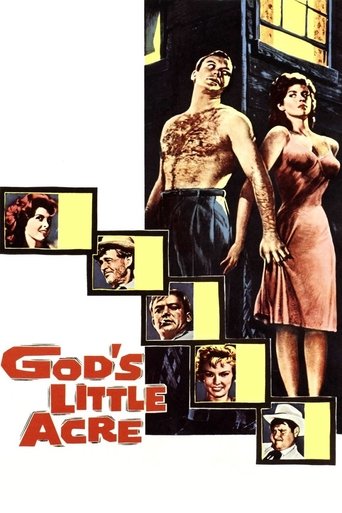
American actress who enjoyed a steady career in Hollywood during the 1940s and 1950s, appearing in both feature films and television productions. Born Helen Marion Westley in 1928, she began her acting career as a child performer before transitioning into adult roles. Her most notable film appearance came in 1958's controversial drama 'God's Little Acre,' where she played alongside Robert Ryan and Aldo Ray in this adaptation of Erskine Caldwell's novel. Throughout her career, she demonstrated versatility by appearing in various genres including film noir, drama, and comedy. Westcott also made numerous television appearances during the golden age of TV, guest-starring in popular series of the era. While she never achieved major stardom, she maintained a consistent presence in the entertainment industry for over two decades. Her career trajectory reflected the typical journey of many character actresses of her time, finding steady work without becoming a household name. She eventually retired from acting in the early 1960s to focus on her personal life.
The Craft
On Screen
Westcott was known for her naturalistic acting style that fit well with the post-war Hollywood aesthetic. She brought a sense of authenticity and relatability to her roles, whether playing the girl next door or more complex dramatic characters. Her performances were marked by subtle emotional depth and an ability to convey both vulnerability and strength within the same character.
Milestones
- Film debut as a child actor in the early 1940s
- Breakthrough role in 'The Man Who Cheated Himself' (1950)
- Notable performance in 'God's Little Acre' (1958)
- Transition to television in the late 1950s
- Multiple appearances in classic TV westerns and dramas
Best Known For
Iconic Roles
Must-See Films
Working Relationships
Worked Often With
Studios
Why They Matter
Impact on Culture
While Helen Westcott never achieved the level of fame of Hollywood's leading ladies, she represents the essential supporting players who gave classic films their depth and authenticity. Her work in film noir and dramatic features of the late 1940s and 1950s contributed to the post-war American cinema. As a character actress, she helped define the archetype of the sophisticated yet approachable woman that was prevalent in films of this era.
Lasting Legacy
Helen Westcott's legacy lies in her contributions to the golden age of Hollywood as a reliable and talented character actress. Her performances in films like 'God's Little Acre' and 'The Man Who Cheated Himself' continue to be appreciated by classic film enthusiasts and scholars. She exemplifies the journey of many working actors of her time who maintained steady careers without achieving superstar status.
Who They Inspired
Westcott's naturalistic acting style influenced the movement away from theatrical acting techniques toward more realistic performances in post-war cinema. Her work in film noir helped establish the genre's conventions for female characters who were both complex and relatable.
Off Screen
Helen Westcott married twice during her lifetime. Her first marriage was to actor Don DeFore in 1945, though it ended in divorce. She later married director Robert B. Sinclair in 1954, with whom she remained until his death in 1970. After retiring from acting, Westcott largely stayed out of the public eye, focusing on her family and personal interests. She spent her later years in California, where she passed away in 1998 at the age of 70.
Education
Studied acting at the Pasadena Playhouse in her youth
Family
- Don DeFore (1945-1947)
- Robert B. Sinclair (1954-1970)
Did You Know?
- Began her career as a child actor, appearing in uncredited roles in major studio productions
- Her birth name was Helen Marion Westley, but she changed her professional name to avoid confusion with character actress Helen Westley
- Appeared in over 30 films and television shows throughout her career
- Was briefly married to popular TV actor Don DeFore, star of 'The Adventures of Ozzie and Harriet'
- Her final film role was in 'God's Little Acre' (1958), which was controversial for its time due to its sexual themes
- After retiring from acting, she became involved in charitable work in Los Angeles
- Was a member of the Screen Actors Guild for over 20 years
- Studied under renowned acting coach Michael Chekhov early in her career
Frequently Asked Questions
Who was Helen Westcott?
American actress who worked in Hollywood films and television from the 1940s through the early 1960s. She was best known for her roles in film noir and dramatic features, particularly 'God's Little Acre' (1958) and 'The Man Who Cheated Himself' (1950).
What films is Helen Westcott best known for?
Titles linked here include God's Little Acre (1958), The Man Who Cheated Himself (1950).
When was Helen Westcott born and when did she die?
Born January 1, 1928; died March 17, 1998.
What awards did Helen Westcott win?
Helen Westcott did not receive any major awards or nominations during her career, which was typical for character actresses of her era who often worked steadily without receiving formal recognition.
What was Helen Westcott's acting style?
Westcott was known for her naturalistic and understated acting style that fit well with post-war Hollywood cinema. She brought authenticity and emotional depth to her roles, particularly excelling in film noir and dramatic productions.