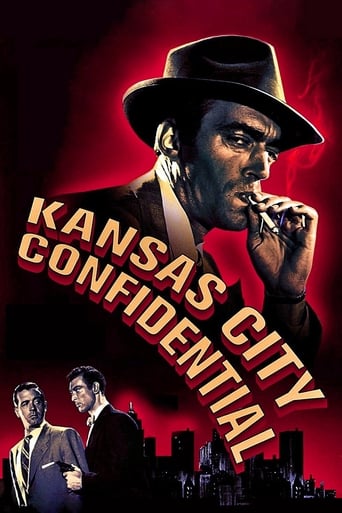
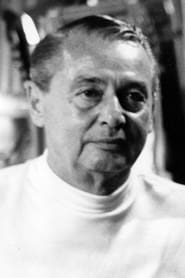
Phil Karlson
Director
Born: February 2, 1908 in Chicago, Illinois, USA Died: December 12, 1985 Active: 1930s-1970s Birth Name: Philip N. Karlstein
Films
2 films
About Phil Karlson
American film director: career stretched across the studio era, from low-budget programmers and crime pictures to some of the hardest-edged suspense and action films of the 1950s and 1960s. Born in Chicago, he entered the film business after early work in the industry as an assistant and quickly developed a reputation for efficiency, pace, and a gritty visual sense that suited genre filmmaking. He is best remembered for tough-minded noirs and crime dramas such as Kansas City Confidential, 99 River Street, The Phenix City Story, and The Brothers Rico, films that helped define the postwar American crime thriller. Karlson also directed a wide variety of material, including westerns, melodramas, adventure films, and Elvis Presley vehicles later in his career, demonstrating unusual flexibility for a director associated with low- and mid-budget production. His films often featured vivid urban or frontier environments, morally compromised characters, and tightly staged violence, making him a favorite among later critics and genre enthusiasts. Although he was not a major awards-season director, his work has been widely reassessed as influential in the evolution of American crime cinema and action storytelling. He remained active into the early 1970s and left behind a body of work that is especially respected for its speed, toughness, and unflashy professional craftsmanship.
The Craft
Behind the Camera
Karlson's directing style was economical, forceful, and highly paced, with an emphasis on momentum, atmosphere, and physical action. He often favored brisk storytelling, stark location-style realism, and tightly composed scenes that pushed conflict forward without unnecessary ornament. His best-known work typically features morally ambiguous characters, corrupt or compromised institutions, and a rough-edged emotional intensity that gives his crime films a distinctly hardboiled feel. He had a gift for making modest productions look urgent and compelling, often using shadowy settings, violent confrontations, and terse dialogue to maximize suspense. Even in lighter or more commercial assignments, he tended to keep the narrative moving and the stakes clear, which made him especially effective in genre filmmaking.
Milestones
- Broke through as a director of efficient, hard-boiled crime films and noir thrillers in the 1950s
- Directed Kansas City Confidential, widely regarded as one of the classic postwar film noirs
- Directed The Phenix City Story, a striking crime drama based on real events and praised for its realism and urgency
- Built a reputation for handling tough material with speed, clarity, and strong pacing on modest budgets
- Expanded into westerns, adventure films, and action pictures without losing his muscular storytelling style
- Later became known for directing Elvis Presley vehicles and other mainstream studio entertainments
- Contributed significantly to the style and momentum of mid-century American genre cinema
Best Known For
Must-See Films
Working Relationships
Worked Often With
Studios
Why They Matter
Impact on Culture
Phil Karlson had a substantial impact on American genre filmmaking, especially in the development of the taut postwar crime picture. His work helped codify a style of low-budget noir and procedural storytelling that emphasized speed, street-level realism, and a fatalistic tone over studio polish. Films like Kansas City Confidential and The Phenix City Story influenced later filmmakers interested in hardboiled crime narratives, urban corruption, and morally jagged protagonists. He also demonstrated that commercially efficient directing could still produce films with lasting stylistic power, helping elevate the reputation of B-movie craftsmanship in film scholarship and criticism. For audiences and critics interested in noir, his films remain touchstones for lean, unsentimental suspense and muscular storytelling.
Lasting Legacy
Karlson's legacy rests on his mastery of the genre film and his ability to make compact productions feel urgent, dangerous, and memorable. He is now often cited alongside other directors who transformed low- and mid-budget studio assignments into durable classics, especially in noir and crime cinema. His films are regularly revisited for their hard-edged atmosphere, sharp pacing, and frank treatment of violence and corruption, qualities that anticipated later action and crime filmmaking. While he did not receive the prestige accorded to some of his contemporaries, his body of work has earned lasting respect among historians, critics, and genre aficionados. In retrospect, he stands as.
Who They Inspired
Karlson influenced later directors working in noir, crime thrillers, and action cinema by showing how to sustain tension and momentum with minimal resources. His emphasis on direct storytelling, streetwise settings, and rapid escalation of conflict can be seen as a precursor to later gritty American action and police films. He also helped prove that genre films could carry social and political resonance, especially in works dealing with corruption, organized crime, and civic decay. Directors and filmmakers drawn to lean, unsentimental storytelling have often found his films instructive examples of economical but forceful craftsmanship.
Off Screen
Phil Karlson maintained a relatively private personal life compared with many Hollywood figures, and the surviving public record focuses much more on his films than on his off-screen relationships. He was born Philip N. Karlstein in Chicago and later shortened and professionalized his name for his work in the film industry. Unlike some contemporaries, he did not become a major celebrity personality, and details about his family life, social circle, and domestic life are less prominently documented in standard film histories. He is best understood primarily through his long career as a dependable studio director rather than through extensive public anecdotes or scandal-driven publicity.
Education
Specific formal educational background is not well documented in standard film references; he is generally identified through his early practical entry into the film industry rather than through a widely noted university or conservatory education.
Did You Know?
- He was born Philip N. Karlstein and used Phil Karlson as his professional name.
- Kansas City Confidential became.
- He directed both crime films and Elvis Presley musicals, showing a wide range uncommon for directors associated with noir.
- The Phenix City Story drew on real events and is often discussed as.
- Karlson was especially valued by studios for his speed and reliability on difficult assignments.
- His films frequently feature ordinary men caught in dangerous criminal networks or corrupt systems.
- He worked across several major genre traditions, including noir, western, adventure, and melodrama.
- Later critics have often reevaluated him as a major craftsman of American B-cinema rather than merely a routine studio director.
Frequently Asked Questions
Who was Phil Karlson?
American on YTB.my. He built a reputation as a highly efficient studio craftsman whose work often combined hardboiled atmosphere with strong storytelling momentum.
What films is Phil Karlson best known for?
Titles linked here include Kansas City Confidential, The Phenix City Story.
When was Phil Karlson born and when did he die?
Born February 2, 1908; died December 12, 1985.
What awards did Phil Karlson win?
He is not widely recorded as a major winner of mainstream awards such as the Academy Awards. His reputation rests more on critical respect, genre importance, and the long-term influence of his films than on formal awards recognition.
What was Phil Karlson's directing style?
Karlson's style was lean, forceful, and tightly paced, with a strong emphasis on conflict, atmosphere, and momentum. He excelled at turning modest budgets into vivid crime dramas and action pictures that felt tense and immediate.
Why is Phil Karlson important in film history?
He is important because he helped define the hard-edged postwar crime thriller and proved that low- and mid-budget studio films could have lasting artistic value. His best work remains a model of efficient, gritty genre filmmaking.