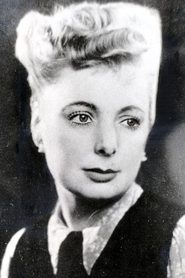
Olga Grey
Actor
Born: November 10, 1896 in Budapest, Austria-Hungary (now Hungary) Died: April 25, 1973 Active: 1916-1917 Birth Name: Olga de Meyer (also known as Olga Demetri)
Films
3 films
About Olga Grey
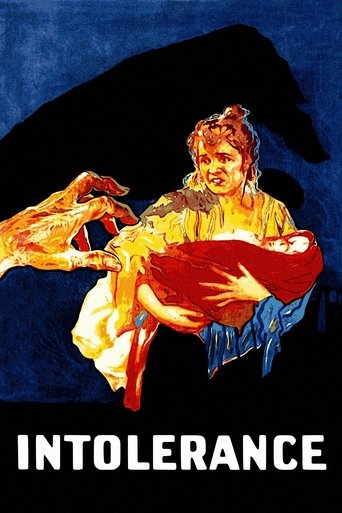
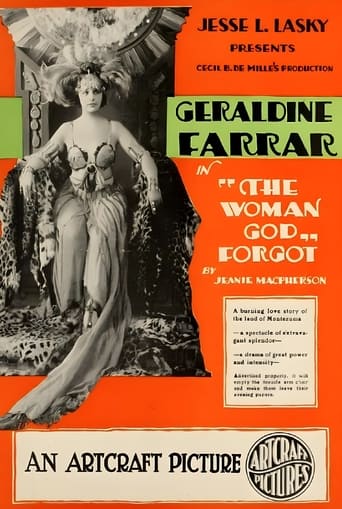
Hungarian-born silent film actress who had a remarkably brief but notable career during the golden age of Hollywood's silent era. Born Olga de Meyer in Budapest in 1896, she immigrated to the United States and began her film career with D.W. Griffith's Fine Arts studio in 1916. Her most significant role came as 'The Friendless One' in Griffith's ambitious epic 'Intolerance: Love's Struggle Throughout the Ages' (1916), where she delivered a powerful performance in the film's modern story segment. The following year, she starred in 'The Woman God Forgot' (1917), which would prove to be her final film appearance. Despite her talent and the significance of the films she appeared in, Grey's only approximately one year before she completely vanished from the entertainment industry. After 1917, she retired from acting entirely, disappearing from public life and leaving behind a mysterious legacy as one of cinema's many briefly shining but quickly forgotten stars. Her contributions to some of the most important films of the silent era ensure her place in film history, even though her personal story remains largely undocumented.
The Craft
On Screen
Olga Grey employed the dramatic, expressive style typical of silent era actors, characterized by exaggerated gestures and intense facial expressions necessary to convey emotion without dialogue. Her performance as 'The Friendless One' in 'Intolerance' demonstrated her ability to portray complex emotional states through physical expression alone, a crucial skill in the silent film era. Her acting reflected the influence of D.W. Griffith's direction, which emphasized naturalistic movement within the constraints of silent performance.
Milestones
- Starred as 'The Friendless One' in D.W. Griffith's epic 'Intolerance: Love's Struggle Throughout the Ages' (1916)
- Leading role in 'The Woman God Forgot' (1917) opposite Dorothy Gish
- Worked exclusively with D.W. Griffith's Fine Arts studio
- Contributed to
- Represented the international character of early Hollywood film production
Best Known For
Iconic Roles
Must-See Films
Working Relationships
Worked Often With
Studios
Why They Matter
Impact on Culture
Olga Grey's cultural impact is primarily tied to her contribution to 'Intolerance,' widely regarded as. Her performance as 'The Friendless One' in the film's modern story segment helped illustrate D.W. Griffith's innovative narrative techniques and his exploration of social themes. Though her career was brief, her work represents the international character of early Hollywood, where actors from around the world contributed to the developing art form. Her disappearance from the industry after just one year also reflects the transient nature of early film careers, when many actors briefly participated in the burgeoning medium before moving on to other pursuits.
Lasting Legacy
Olga Grey's legacy endures primarily through her role in 'Intolerance,' a film that continues to be studied and celebrated by film scholars and enthusiasts worldwide. As one of the performers in what many consider Griffith's masterpiece, her work is preserved as part of a pivotal moment in cinema history. Her brief career exemplifies the countless actors who contributed to early cinema but left little documentation of their lives, making her representative of the many forgotten figures who helped build the foundation of the film industry. Her performances continue to be analyzed in the context of silent film acting techniques and Griffith's directorial methods.
Who They Inspired
Given her extremely brief career and limited filmography, Olga Grey's direct influence on subsequent generations of actors is difficult to trace. However, her work in Griffith's films contributed to the development of cinematic acting techniques during a crucial period in film history. Her performance in 'Intolerance' helped establish precedents for dramatic storytelling in silent cinema, influencing how actors would approach complex emotional roles in subsequent decades. While she may not have directly mentored or influenced other performers, her contribution to these landmark films indirectly shaped the evolution of film acting.
Off Screen
Very little is documented about Olga Grey's personal life, both before and after her brief film career. Born in Budapest to what appears to have been a European family, she immigrated to the United States sometime before 1916. Following her abrupt departure from acting in 1917, she completely disappeared from public life, with no records of her activities, marriages, or family life. This mysterious disappearance has made her one of the more enigmatic figures from early Hollywood, with film historians unable to trace her later years until her death in 1973.
Did You Know?
- Her entire film active years covered only approximately one year (1916-1917)
- She was born in Budapest, Austria-Hungary (now Hungary) in 1896
- Her real name was Olga de Meyer, sometimes documented as Olga Demetri
- Her most famous role was as 'The Friendless One' in Griffith's 'Intolerance'
- She worked exclusively with D.W. Griffith's Fine Arts studio
- After 1917, she completely disappeared from public life and entertainment industry
- Her performance in 'Intolerance' was part of what many consider Griffith's most ambitious and complex film
- Very little documentation exists about her life before or after her brief film career
- She represents the many international actors who contributed to early Hollywood
- Her death in 1973 went largely unnoticed by the film community
- No interviews or personal writings from her have survived
- She was one of many actors who had brief careers during the rapid expansion of the film industry in the 1910s
Frequently Asked Questions
Who was Olga Grey?
Hungarian-born silent film actress who had a brief but notable career in 1916-1917, primarily working with on YTB.my.W. Griffith. She is best remembered for her role as 'The Friendless One' in the epic film 'Intolerance' and for starring in 'The Woman God Forgot' before mysteriously disappearing from the entertainment industry.
What films is Olga Grey best known for?
Titles linked here include Intolerance: Love's Struggle Throughout the Ages (1916), The Woman God Forgot (1917).
When was Olga Grey born and when did she die?
Born November 10, 1896; died April 25, 1973.
What awards did Olga Grey win?
Olga Grey did not receive any formal awards or nominations during her brief career in the film industry. The Academy Awards were not established until 1929, well after her retirement from acting, and other industry honors of her time were primarily focused on more established performers.
What was Olga Grey's acting style?
Olga Grey employed the dramatic, expressive style typical of silent era actors, characterized by exaggerated gestures and intense facial expressions necessary to convey emotion without dialogue. Her performance in 'Intolerance' demonstrated her ability to portray complex emotional states through physical expression alone, reflecting the influence of D.W. Griffith's naturalistic directing approach.
Why was Olga Grey's career so brief?
The exact reason for Olga Grey's abrupt departure from acting after just one year remains unknown, contributing to her mysterious legacy. Many actors in the early film industry had brief careers due to the transient nature of the business, personal circumstances, or disillusionment with the profession. Grey's complete disappearance from public life suggests a deliberate choice to leave the entertainment industry entirely.
Did Olga Grey work with any famous directors?
Yes, Olga Grey worked exclusively with D.W. Griffith,. Griffith was a filmmaker who revolutionized cinematic techniques and narrative structure, and working with him during this period meant being part of some of the most significant film productions of the silent era.
What happened to Olga Grey after her acting career?
After her final film in 1917, Olga Grey completely disappeared from public life and the entertainment industry. Very little is documented about her activities during the 56 years between her retirement and her death in 1973, making her one of the more enigmatic figures from early Hollywood whose post-career life remains a mystery to film historians.