Films
1 film
About Kathleen Key
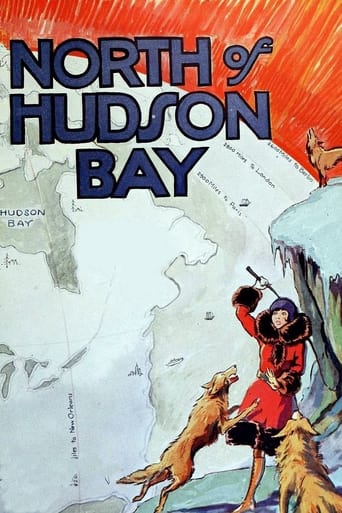
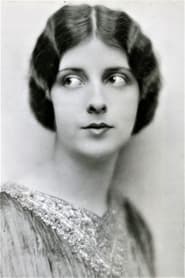
American silent film actress: career was concentrated in the early 1920s, a brief but memorable period during the late silent era. She is best remembered today for appearing in a number of melodramas, adventure pictures, and prestige productions, including her role in North of Hudson Bay (1923), which places her squarely within the studio-driven world of early Hollywood. Like many performers of the era, she worked at a time when studio publicity often emphasized youthful beauty and screen presence over detailed biographical records, so surviving information about her personal life and training is limited. Her screen career appears to have been relatively short, with her listed activity centered in 1923, suggesting either a brief stint in films or a career that has not been fully documented in surviving sources. Because she worked during the silent period, her performance style would have relied on expressive physicality, gesture, and facial expression rather than spoken dialogue. She is part of the large cohort of silent-era actresses whose careers were woven into the fabric of early film history even when they did not become major stars. Today she is primarily remembered by film historians and collectors who study the supporting players who helped define the texture of silent cinema.
The Craft
On Screen
As a silent-era performer, Kathleen Key’s acting would have depended on expressive movement, clear visual storytelling, and heightened facial expression to communicate character and emotion without dialogue. Roles in early 1920s cinema typically required actors to balance melodramatic intensity with natural screen presence, and performers like Key often conveyed vulnerability, resolve, or romantic interest through posture, gesture, and close-up expression. Specific surviving critical descriptions of her style are scarce, but her work would have fit the conventions of the silent screen, where subtlety and photogenic presence were prized alongside emotional legibility.
Milestones
- Appeared in the silent film North of Hudson Bay (1923)
- Worked during the peak of the late silent-era studio system
- Represents the supporting and featured players who gave silent films their emotional range and visual appeal
Best Known For
Iconic Roles
Must-See Films
Working Relationships
Studios
Why They Matter
Impact on Culture
Kathleen Key’s cultural impact lies less in star fame than in her place within the working body of silent-era cinema. Performers like her helped populate the world of early Hollywood features, giving studios the ability to mount stories with convincing social, romantic, and adventurous dimensions. Even when their names did not become household words, such actors contributed to the visual grammar of the silent screen and to the industrial scale of film production in the 1920s. Her presence in North of Hudson Bay (1923) connects her to a larger historical moment when Hollywood was refining genre storytelling and the system of featured players that supported it. For modern historians, Kathleen Key is part of the essential but often under-credited lineage of silent film performers whose careers illuminate how the industry functioned beyond its marquee stars. Her surviving credit helps preserve the record of the many women who worked in the silent era and whose labor shaped the medium’s early development. In that sense, her legacy is archival as much as artistic: she remains a trace of the performers who made the silent era vivid, even when the historical record preserves only fragments of their lives.
Lasting Legacy
Kathleen Key’s lasting legacy is her documentation as a silent-film actress from the early 1920s, a period now central to film history. Though she does not appear to have become a major star, her surviving credit is valuable because it adds to the picture of how many actors moved through Hollywood’s studio system during the silent era. Film history often depends on these smaller names to reconstruct casting practices, genre production, and the careers of performers who worked without extensive publicity. Her record also underscores the fragility of early cinema history, where many careers are only partially visible through surviving filmographies and publicity materials.
Who They Inspired
There is no strong evidence that Kathleen Key directly influenced later actors or directors in a documented, individualized way. Her broader influence is indirect: she stands among the silent-era performers who established the expressive, image-based acting traditions that later screen actors inherited and transformed with the coming of sound. By participating in early 1920s cinema, she contributed to the collective performance culture that helped define how stories were told on screen before dialogue became central. Her career is therefore part of the foundation upon which later film acting evolved.
Off Screen
Very little reliably documented information survives about Kathleen Key’s personal life in standard film-reference sources. Her birth, family background, education, marriages, and later life are not clearly established in the available record, which is common for many lesser-documented silent-era performers. She appears to have maintained a low public profile outside of her brief film work, and no well-documented celebrity scandals or high-profile social history are attached to her name in widely used reference sources. Because of the limited surviving documentation, any deeper account of her private life would be speculative.
Did You Know?
- Kathleen Key is documented as a silent film actress with a known credit in North of Hudson Bay (1923).
- Her active period in surviving filmography is extremely brief, making her one of the many lightly documented performers of the silent era.
- Because she worked before the sound era, her performances would have depended entirely on visual expression and intertitles.
- Women in her professional category were often cast in supporting or featured roles that have been only partially preserved in film history.
- Her surviving record illustrates how many early Hollywood careers are known today primarily through film credits rather than extensive biographical sources.
- She is an example of the many silent-era actresses whose names survive even when much of their personal history does not.
- Her filmography places her within the 1920s studio world when silent features were a dominant form of mass entertainment.
Frequently Asked Questions
Who was Kathleen Key?
American silent film actress active in the early 1920s. She is best known today for her screen credit in North of Hudson Bay (1923) and for representing the many supporting performers who worked in silent-era Hollywood.
What films is Kathleen Key best known for?
Titles linked here include North of Hudson Bay (1923).
When was Kathleen Key born and when did she die?
Her birth and death dates are not reliably established in the available standard references consulted for classic cinema personalities. This kind of incomplete documentation is not unusual for early silent-film performers whose careers were only partially preserved.
What awards did Kathleen Key win?
No major awards or formal honors are reliably documented for Kathleen Key in the available film-history record. Many silent-era supporting players worked before the modern awards culture was firmly established.
What was Kathleen Key's acting style?
As a silent-film actress, her style would have relied on facial expression, gesture, posture, and clear physical storytelling. Performers in her era had to communicate emotion and narrative almost entirely without spoken dialogue, so screen presence was crucial.
What is Kathleen Key's legacy in film history?
Her legacy lies in her place within the silent-era studio system and the surviving record of her work in early Hollywood. Even modestly documented performers like Key are important because they help historians reconstruct the wider ecosystem of 1920s cinema.