
Films
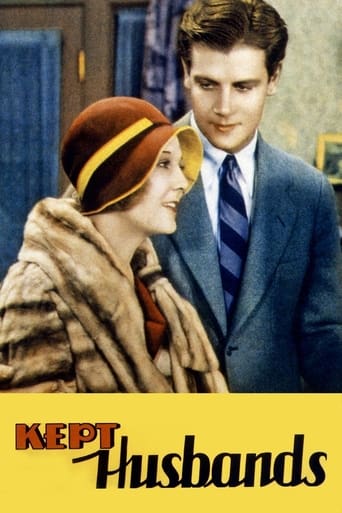
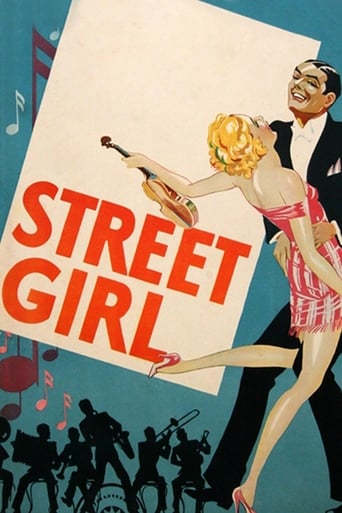
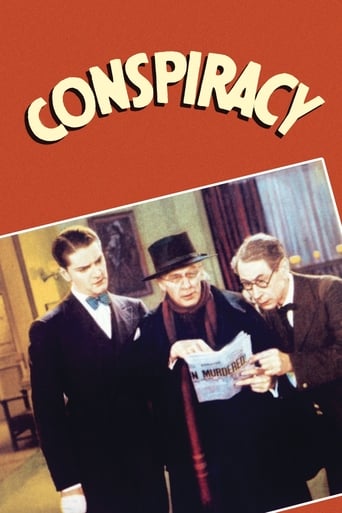
4 films
About Ned Sparks
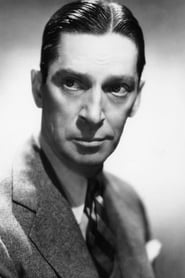
Ned Sparks, born Edward Sparkman, was a Canadian-born character actor who became one of Hollywood's most distinctive supporting performers during the early sound era and Golden Age of Hollywood. Beginning his career in vaudeville and Broadway theater, he transitioned to films just as sound was revolutionizing the industry, capitalizing on his unique gravelly voice and deadpan delivery style. His breakthrough came with "The Canary Murder Case
The Craft
On Screen
Ned Sparks was renowned for his distinctive deadpan delivery style, characterized by a gravelly voice, minimal facial expression, and deliberately slow, measured speech patterns. He specialized in playing cynical, world-weary characters who often served as sarcastic commentators on the action around them. His technique involved delivering witty, cutting lines with an almost complete lack of emotion, creating a humorous contrast between the content of his dialogue and his unamused demeanor. This approach made him particularly effective in comedy films, where his deadpan reactions to chaotic situations provided a grounding element for audiences. He rarely engaged in physical comedy, instead relying on his vocal delivery and facial immobility to generate laughs, making him a master of subtlety in an era often dominated by broader comedic styles.
Milestones
- Breakthrough role in 'The Canary Murder Case' (1929)
- Signature performance in 'Love Me Tonight' (1932)
- Memorable supporting role in 'College Humor' (1933)
- Series of appearances in Paramount's 'Big Broadcast' films
- Transition from silent films to talkies utilizing his distinctive voice
- Over 80 film appearances across three decades
- Development of unique deadpan comedic style that influenced later performers
Best Known For
Iconic Roles
Must-See Films
Accolades
Special Recognition
- Recognized as one of Hollywood's most distinctive character actors of the 1930s-1940s
- Cited by film historians as a pioneer of deadpan comedy in sound films
Working Relationships
Worked Often With
Studios
Why They Matter
Impact on Culture
Ned Sparks made a significant impact on early sound cinema by demonstrating how vocal delivery and subtle performance could be as effective as exaggerated expression in the talkie era. His deadpan style provided a template for character actors in sound films, showing that comedy could be achieved through timing and vocal inflection rather than just physical gags. During the transition from silent films to talkies, many actors struggled to adapt their performance styles, but Sparks thrived by leveraging his unique voice and delivery. His work helped establish the archetype of the cynical, world-weary commentator that would become a staple in Hollywood comedies for decades. Film historians often cite him as an early influence on later deadpan comedians and character actors who specialized in playing against type.
Lasting Legacy
Ned Sparks' legacy endures as one of Hollywood's most distinctive character actors of the Golden Age, remembered for his unmistakable gravelly voice and deadpan delivery that made even his smallest roles memorable. While never a household name, classic film enthusiasts recognize him as a scene-stealer who elevated numerous films with his unique comedic timing and cynical perspective. His performances continue to be studied by film scholars and actors interested in the art of subtle comedy and character development. Sparks represents the crucial supporting actors who formed the backbone of Hollywood's studio system, providing essential texture and humor that enhanced the work of bigger stars. Modern audiences discovering classic films through streaming services continue to be charmed by his distinctive style, ensuring his work remains relevant decades after his death.
Who They Inspired
Sparks influenced generations of deadpan comedians and character actors who followed, including performers like Victor Moore, Edgar Kennedy, and later comedians such as Steven Wright and Bill Murray in their more subdued roles. His technique of delivering cutting remarks with minimal expression became a staple of comedy that can be seen in everything from screwball comedies of the 1930s to modern sitcoms. Acting coaches still reference his work when teaching students about the power of restraint in comedic performance. His ability to create memorable characters with minimal movement but maximum vocal impact demonstrated the importance of voice work in sound films at a time when many actors were still transitioning from silent performance styles.
Off Screen
Ned Sparks was known for being a private individual who rarely discussed his personal life in public. Despite his cynical on-screen persona, colleagues described him as professional and pleasant to work with, though he maintained a certain distance from the Hollywood social scene. He never married and had no children, dedicating his life primarily to his craft. In his later years, he suffered from declining health that eventually forced him to retire from acting. He spent his final years in California, where he passed away in 1957 at the age of 73.
Education
Limited formal education; primarily trained through practical experience in vaudeville and theater performances
Did You Know?
- His real name was Edward Sparkman, but he shortened it to Ned Sparks for his stage name
- He began his entertainment career in Canadian vaudeville before moving to the United States
- His distinctive gravelly voice was reportedly caused by a throat condition he developed in his youth
- Despite playing cynical characters, he was known to be quite generous with his co-workers and often helped struggling actors
- He never learned to drive and was always chauffeured to studio lots
- He was a heavy smoker, which may have contributed to his distinctive voice and later health problems
- He was one of the few actors who successfully transitioned from silent films to talkies without changing his performance style
- He often improvised his own lines, adding his signature cynical wit to scripts
- He turned down several leading role opportunities, preferring to play character parts that suited his style
- His final film appearance was without on-screen billing in the 1956 film 'The Best Things in Life Are Free'
In Their Own Words
(Delivered in his characteristic deadpan style) 'I've never been optimistic. I find it interferes with my natural tendency toward disappointment.'
'In this business, you learn early that the less you expect, the less you're disappointed.'
'I don't act. I just stand here and let the cynicism flow naturally.'
'The secret to longevity in Hollywood? Never say yes when you can say no, and never smile when you can frown.'
Frequently Asked Questions
Who was Ned Sparks?
Canadian-born character with credits in this catalog. He appeared in over 80 films between 1928 and 1956, primarily playing world-weary supporting roles in comedies and dramas.
What films is Ned Sparks best known for?
Titles linked here include The Canary Murder Case (1929), Love Me Tonight (1932).
When was Ned Sparks born and when did he die?
Born birth date not listed; died April 3, 1957.
What made Ned Sparks' acting style unique?
Ned Sparks was renowned for his distinctive deadpan delivery style, characterized by a gravelly voice, minimal facial expression, and deliberately slow speech patterns. He specialized in playing cynical characters who delivered witty lines with almost complete lack of emotion, creating humor through the contrast between his dialogue and unamused demeanor.
Did Ned Sparks win any major awards for his acting?
Despite his prolific career and memorable performances, Ned Sparks did not receive any major awards or Academy Award nominations during his lifetime. However, he is recognized by film historians as one of Hollywood's most distinctive character actors of the 1930s and 1940s.
How did Ned Sparks influence later comedians?
Ned Sparks pioneered the deadpan comedy style in sound films, influencing generations of later comedians who specialized in subtle, understated humor. His technique of delivering cutting remarks with minimal expression became a staple in comedy, influencing performers like Victor Moore and later deadpan comedians including Steven Wright and aspects of Bill Murray's work.
Was Ned Sparks married or did he have children?
Ned Sparks never married and had no children. He was known as a private individual who dedicated his life primarily to his craft, maintaining a professional distance from the Hollywood social scene throughout his career.