
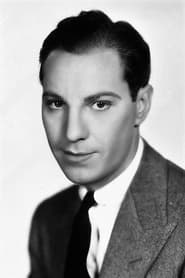
Zeppo Marx
Actor
Born: February 25, 1901 in New York City, New York, USA Died: November 30, 1979 Active: 1921-1933 (as performer), 1933-1970s (as agent) Birth Name: Herbert Manfred Marx
Films
3 films
About Zeppo Marx
Herbert Manfred Marx, known professionally as Zeppo Marx, was the youngest of the Marx Brothers comedy team and served as their straight man and romantic lead during their transition from vaudeville to film. Born into a show business family in New York City, Zeppo joined his brothers Groucho, Chico, Harpo, and Gummo in their vaudeville act after Gummo left to serve in World War I. Unlike his more flamboyant brothers, Zeppo played the conventional handsome leading man who could sing and dance, providing a contrast to their chaotic comedy. Zeppo appears in the Marx Brothers' first five feature films from 1929 to 1933, including their Paramount productions. After Duck Soup (1933), Zeppo left the performing group to pursue other interests, though he remained close to his brothers. He later found success as a theatrical and talent agent, representing major stars and even inventing a wristwatch that could monitor cardiac patients. Zeppo's departure from the act marked the end of the original Marx Brothers lineup, but his business acumen helped support the family's entertainment ventures for decades.
The Craft
On Screen
Zeppo Marx served as the conventional straight man and romantic lead, providing a handsome, normal contrast to his brothers' eccentric characters. He possessed a natural comedic timing though rarely delivered jokes himself, instead reacting to his brothers' antics with exasperation and confusion. His style was subtle and understated, allowing the audience a relatable character in the midst of chaos. Unlike his brothers, he could genuinely sing and dance, often performing romantic ballads that provided brief respites from the comedy. His deadpan delivery and ability to maintain composure amidst pandemonium made him an essential anchor for the Marx Brothers' wild humor.
Milestones
- Joined Marx Brothers vaudeville act after WWI
- Appeared in first Marx Brothers feature film 'The Cocoanuts' (1929)
- Starred in five consecutive Marx Brothers films at Paramount
- Left performing after 'Duck Soup' (1933) to become talent agent
- Founded Marx Brothers Agency representing major Hollywood stars
- Invented and patented a cardiac monitoring wristwatch
Best Known For
Iconic Roles
Must-See Films
Accolades
Special Recognition
- Hollywood Walk of Fame Star (shared with Marx Brothers)
- Marx Brothers inducted into National Radio Hall of Fame
Working Relationships
Worked Often With
Studios
Why They Matter
Impact on Culture
Zeppo Marx played a crucial role in the Marx Brothers' transition from stage to screen, providing the conventional element that made their films accessible to mainstream audiences. As the straight man, he anchored their surreal comedy and gave audiences a relatable character in the midst of chaos. His departure marked a significant shift in the Marx Brothers' dynamic, leading to more ensemble-based films without romantic subplots. Though often overlooked in favor of his more flamboyant brothers, Zeppo's contribution was essential to their early film success. His later career as a talent agent demonstrated his deep understanding of the entertainment industry and helped shape Hollywood's golden age.
Lasting Legacy
Zeppo Marx's legacy is twofold: as an essential member of one of comedy's greatest teams and as a successful behind-the-scenes industry figure. While he never achieved the same iconic status as his brothers, his role as the straight man was crucial to the Marx Brothers' film success. His business ventures and inventions showed a versatility beyond comedy that many fans never saw. Modern comedy scholars have reevaluated his contributions, recognizing that his straight-man performances required considerable skill. The Marx Brothers' enduring popularity in film revivals and home media ensures that Zeppo's work continues to be discovered by new generations.
Who They Inspired
Zeppo influenced the archetype of the straight man in comedy ensembles, demonstrating the importance of a conventional character in balancing absurd humor. His transition from performer to successful agent inspired many entertainers to consider business careers after performing. His mechanical inventions showed that creative minds could excel in multiple fields. Later comedy teams often included a Zeppo-like character to ground their more outrageous performers. His business acumen influenced how entertainment agencies would operate, emphasizing personal relationships and long-term career management over quick deals.
Off Screen
Zeppo Marx married twice, first to Marion Benda in 1927, with whom he had two sons, Thomas and Timothy. After their divorce in 1958, he married Barbara Blake in 1959, remaining with her until his death. Unlike his more publicly visible brothers, Zeppo was relatively private and shunned the spotlight after leaving show business. He was known for his mechanical aptitude and business sense, which he applied successfully in his post-performance career. Zeppo maintained close relationships with his brothers throughout his life and often provided financial support to family members. He died of cancer at age 78 in Palm Springs, California.
Education
Public schools in New York City, no formal higher education
Family
- Marion Benda (1927-1958)
- Barbara Blake (1959-1979)
Did You Know?
- His nickname 'Zeppo' reportedly came from a German zeppelin that appeared during his birth year
- He was the only Marx Brother to serve in the U.S. Army during World War I
- Zeppo could sing and dance better than any of his brothers
- He was the technical expert among the brothers, often fixing their equipment
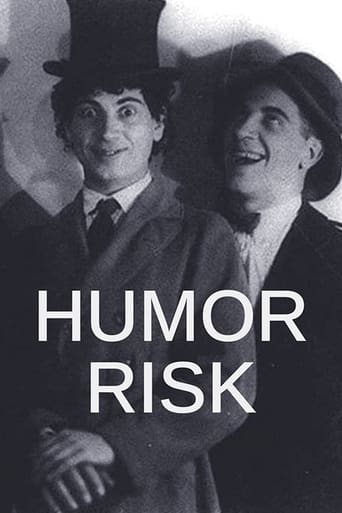
- The film 'Humor Risk' (1921) was his first appearance with the brothers and is now considered a lost film
- He patented a wristwatch that could monitor heart rate and alert doctors to cardiac problems
- Zeppo was the tallest of the Marx Brothers at 5'9"
- He once filled in for an ill Groucho during a stage performance and successfully delivered his lines
- His departure from the act was reportedly due to creative frustration and not wanting to play straight man forever
- He owned a successful theatrical agency that represented many major Hollywood stars
- Unlike his brothers, Zeppo never developed a distinctive stage persona or costume
- He was the only Marx Brother to have children
In Their Own Words
"I was the straight man. I was the one they talked to. I was the one they came to for help." - On his role in the Marx Brothers
"I got tired of being an actor. I'd rather be an agent. You make more money and you don't have to get up early." - On leaving show business
"Groucho was the intellectual, Chico was the picaresque, Harpo was the elemental, and I was the romantic." - Describing the brothers' roles
Frequently Asked Questions
Who was Zeppo Marx?
Zeppo Marx was the youngest of the Marx Brothers comedy team, serving as their straight man and romantic lead in their early films. Born Herbert Manfred Marx, he appeared in the first five Marx Brothers movies before leaving performing to become a successful talent agent and inventor.
What films is Zeppo Marx best known for?
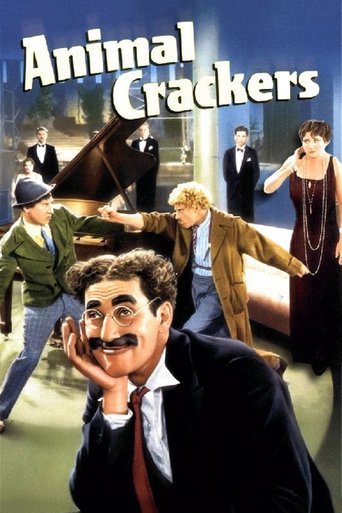
Zeppo is best known for his roles in the Marx Brothers' Paramount films: The Cocoanuts (1929), Animal Crackers (1930), Monkey Business (1931), Horse Feathers (1932), and Duck Soup (1933). He also appeared in their lost first film Humor Risk (1921).
When was Zeppo Marx born and when did he die?
Zeppo Marx was born Herbert Manfred Marx on February 25, 1901, in New York City. He died on November 30, 1979, at age 78 in Palm Springs, California, from cancer.
Why did Zeppo leave the Marx Brothers?
Zeppo left the Marx Brothers after Duck Soup (1933) because he was tired of playing the straight man role and wanted to pursue other business opportunities. He felt creatively constrained and was more interested in the business side of entertainment, later becoming a successful talent agent.
What was Zeppo Marx's role in the comedy team?
Zeppo served as the straight man and romantic lead, providing a conventional handsome character who could sing and dance. He anchored the brothers' chaotic comedy and gave audiences a relatable character, reacting with exasperation to his brothers' antics while often serving as the romantic interest in the films.
Did Zeppo Marx have any notable achievements after leaving show business?
Yes, Zeppo became a highly successful talent agent, founding the Marx Brothers Agency and representing major stars like Glenn Ford and Lana Turner. He also invented and patented a cardiac monitoring wristwatch, demonstrating his mechanical and business acumen beyond entertainment.