
Charles Barton
Actor & Director
Born: May 25, 1900 in San Francisco, California, USA Died: December 5, 1981 Active: 1920-1968
Films
2 films
About Charles Barton
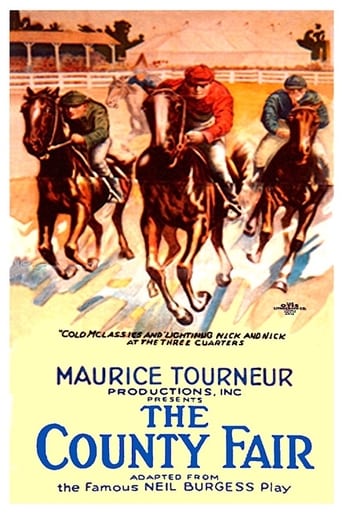
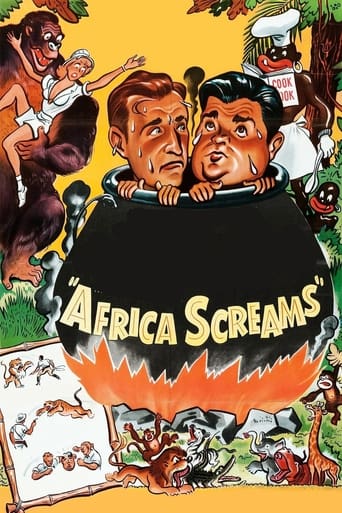
American film director and actor who enjoyed a remarkably versatile career spanning over four decades in Hollywood. Beginning as an actor in silent films during the 1920s, Barton appeared in numerous productions including 'The County Fair' (1920) before transitioning behind the camera. He worked as an assistant director at Paramount Pictures, where he won an Academy Award in this category in 1934, before becoming a full-fledged director. Barton established himself as a reliable filmmaker with particular expertise in comedy, directing several films for Abbott and Costello including their beloved classics 'The Time of Their Lives' (1946) and 'Africa Screams' (1950). His career evolved with the changing industry, and he successfully transitioned to television directing in the 1950s and 1960s, helming episodes of popular series like 'Dennis the Menace' and 'Family Affair'. Barton's filmography encompasses over 100 directing credits across both film and television, demonstrating his remarkable productivity and adaptability throughout Hollywood's golden age and beyond.
The Craft
On Screen
As an actor in silent films, Barton specialized in supporting roles with a particular talent for physical comedy and character parts. His performances were characterized by expressive facial features and clear pantomime skills that translated well to the silent medium.
Behind the Camera
Barton was known for his efficient, no-nonsense directing approach with exceptional timing in comedy sequences. He maintained a clean visual style that prioritized clarity and pacing, particularly effective in the Abbott and Costello vehicles where he allowed the comedy duo's routines to shine without excessive stylistic interference.
Milestones
- Academy Award winner for Best Assistant Director (1934)
- Directed multiple Abbott and Costello films
- Successful transition from silent film actor to sound director
- Pioneered television direction in 1950s-60s
- Directed over 100 films and television episodes
Best Known For
Iconic Roles
Must-See Films
Accolades
Won
- Academy Award for Best Assistant Director (1934)
Special Recognition
- Hollywood Walk of Fame star (Television category)
Working Relationships
Worked Often With
Studios
Why They Matter
Impact on Culture
Charles Barton made significant contributions to American comedy cinema, particularly through his work with Abbott and Costello, helping to establish their cinematic style and contributing to their enduring popularity. His films captured the essence of mid-20th century American humor and entertainment values, serving as time capsules of the era's comedic sensibilities. Barton's successful transition from film to television helped shape the early landscape of American sitcoms, influencing the visual language and pacing of televised comedy that would follow.
Lasting Legacy
Charles Barton's legacy lies in his substantial body of work that bridges Hollywood's golden age and the television era. His Academy Award for assistant directing recognizes his technical contributions to filmmaking, while his directorial work, particularly with Abbott and Costello, preserved some of the most beloved comedy routines of the era for posterity. Barton represents the adaptable Hollywood professional who successfully navigated the industry's major transitions from silent to sound, and from film to television, maintaining relevance and productivity throughout these transformative periods.
Who They Inspired
Barton influenced subsequent generations of comedy directors through his clean, efficient approach that prioritized comedic timing over stylistic flourishes. His work in early television sitcoms helped establish conventions for the genre that would be followed by countless directors. His ability to work with comedy teams and understand the mechanics of ensemble humor provided a template for directors working with comedic partnerships in later decades.
Off Screen
Charles Barton was married twice during his lifetime. His first marriage was to actress Virginia Vance in 1926, which lasted until her death in 1942. He later married actress Julie Bishop in 1946, and their marriage continued until Barton's death in 1981. Barton had no children from either marriage. Despite his busy career in Hollywood, he maintained a relatively private personal life, focusing primarily on his work and his relationships within the film industry.
Education
Limited formal education, primarily learned through practical experience in the film industry
Family
- Virginia Vance (1926-1942)
- Julie Bishop (1946-1981)
Did You Know?
- Won an Academy Award in a category that no longer exists (Best Assistant Director)
- Directed 10 films starring Abbott and Costello, more than any other director
- Began his career as an actor in silent films before transitioning to directing
- His second wife, Julie Bishop, appeared in several of his films
- Worked extensively in television during the 1950s and 1960s, directing over 200 TV episodes
- Served in the U.S. Army Air Forces during World War II
- His star on the Hollywood Walk of Fame is in the television category
- Was known for completing his films on time and under budget
- Started as a script clerk before becoming an assistant director
- His final directing work was on the television series 'Family Affair' in the late 1960s
In Their Own Words
I learned that in comedy, timing is everything. You can have the funniest script in the world, but if the timing is off, it won't work.
Working with Abbott and Costello was like conducting an orchestra of comedy. You had to know exactly when to let them shine and when to pull back.
The transition from silent films to talkies wasn't as difficult for me because I always understood that visual storytelling was the foundation of good cinema.
Frequently Asked Questions
Who was Charles Barton?
American on YTB.my. He was particularly known for directing Abbott and Costello comedies and later became a prolific television director, working on popular sitcoms like 'Dennis the Menace' and 'Family Affair'.
What films is Charles Barton best known for?
Titles linked here include Africa Screams (1950), The Time of Their Lives (1946).
When was Charles Barton born and when did he die?
Born May 25, 1900; died December 5, 1981.
What awards did Charles Barton win?
Charles Barton won an Academy Award for Best Assistant Director in 1934 for his work at Paramount Pictures. He also received a star on the Hollywood Walk of Fame in the television category, recognizing his contributions to television directing.
What was Charles Barton's directing style?
Barton was known for his efficient, straightforward directing style with exceptional timing in comedy sequences. He maintained a clean visual approach that prioritized clarity and pacing, particularly effective in comedy where he allowed performers' routines to shine without excessive stylistic interference.