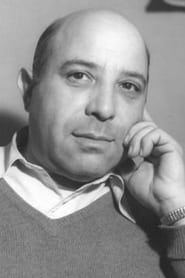
Bobby Barber
Actor
Born: December 18, 1894 in New York City, New York, USA Died: May 24, 1976 Active: 1926-1963 Birth Name: Stellario Barbera
Films
1 film
About Bobby Barber
Prolific American character actor and comedian: over three decades of Hollywood's Golden Age. Born Robert Stellario Barbera in New York City, he began his film career in the mid-1920s during the silent era, making his debut in the 1926 short 'Nobody's Business'. Standing only 5'2", Barber became a staple of slapstick comedy, frequently appearing in uncredited bit parts as waiters, bellhops, and delivery men. He is most famously remembered for his long-standing association with the comedy duo Abbott and Costello, serving as their off-screen 'court jester' and on-screen foil in dozens of films and television episodes. His role behind the scenes was to maintain high energy on set through elaborate practical jokes and pranks, often appearing unexpectedly during takes to make the cast and crew laugh. Throughout his career, he worked with nearly every major comedy legend of the era, including Buster Keaton, the Marx Brothers, Charlie Chaplin, and the Three Stooges. He remained active until the late 1950s, making his final film appearance in Lou Costello's solo project 'The 30 Foot Bride of Candy Rock' in 1959.
The Craft
On Screen
Barber excelled in the 'bit part' and physical comedy. His style was characterized by his diminutive stature, expressive face, and ability to perform sight gags with perfect timing. He specialized in playing the 'everyman' who was often the victim of the lead comedians' antics, or the deadpan service worker (waiter, barber, or porter) who remained unfazed by the surrounding chaos.
Milestones
- Became the official 'court jester' for Abbott and Costello, appearing in nearly all of their films and TV shows.
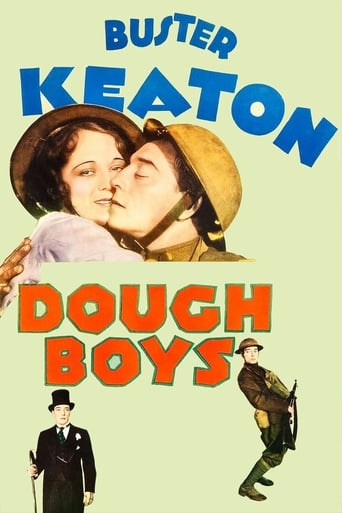
- Appeared in the Buster Keaton classic 'Doughboys' (1930).
- Worked with the Marx Brothers in 'Monkey Business' (1931) and 'Horse Feathers' (1932).
- Appeared in Charlie Chaplin's 'Modern Times' (1936).
- Was a recurring guest on 'The Abbott and Costello Show' (1952-1954), often playing multiple roles in a single episode.
- Appeared in the horror-comedy masterpiece 'Abbott and Costello Meet Frankenstein' (1948).
Best Known For
Iconic Roles
Must-See Films
Accolades
Special Recognition
- Recognized as a key member of the Abbott and Costello 'Stock Company'.
Working Relationships
Worked Often With
Studios
Why They Matter
Impact on Culture
While rarely a leading man, Bobby Barber represented the essential 'glue' of the Hollywood studio system—the reliable bit player who could enhance any scene with a single look or gesture. His unique role as a professional prankster for Abbott and Costello highlights a fascinating aspect of Golden Age production culture, where maintaining the morale of the stars was considered a vital job. He is a cult favorite among classic comedy fans who enjoy 'spotting' him in his hundreds of uncredited appearances.
Lasting Legacy
Barber's legacy is preserved in the outtakes and behind-the-scenes lore of classic Hollywood. He is frequently mentioned in biographies of Abbott and Costello as a vital part of their success. His presence in some of the greatest comedies ever made—from Chaplin's 'Modern Times' to the Marx Brothers' 'Monkey Business'—ensures that he remains a recognizable face to cinema historians and enthusiasts of the slapstick genre.
Who They Inspired
He influenced the 'stock company' approach to television comedy, where versatile actors play multiple minor roles to create a sense of a recurring, eccentric world, a technique later seen in shows like 'SCTV' or 'Saturday Night Live'.
Off Screen
Bobby Barber was married to Maxine Barber. He was known for his infectious personality and was a beloved figure among the Hollywood comedy community. After the death of Lou Costello's father in 1947, Barber became particularly close to Lou, serving as a constant companion and source of morale during long film shoots.
Family
- Maxine Barber (married 1931)
Did You Know?
- He was only 5 feet 2 inches tall.
- In 'Abbott and Costello Meet Frankenstein', he famously pulled a prank on Bela Lugosi by following him down a staircase and mimicking his every move, which reportedly did not amuse the serious Lugosi.
- He often appeared on 'The Abbott and Costello Show' in as many as three different roles in the same 25-minute episode.
- His likeness was often used as a visual gag, appearing on 'Wanted' posters or in photographs on the wall in various films.
- He appeared in over 250 films and television shows, though the vast majority were uncredited.
- He was the last person to work with Lou Costello, appearing in Costello's final film, 'The 30 Foot Bride of Candy Rock'.
In Their Own Words
It was his job to keep the energy level up with pranks and practical jokes.
Frequently Asked Questions
Who was Bobby Barber?
Prolific American character with credits in this catalog. He was a frequent collaborator and 'court jester' for the comedy duo Abbott and Costello.
What films is Bobby Barber best known for?
Titles linked here include Doughboys (1930), Abbott and Costello Meet Frankenstein (1948).
When was Bobby Barber born and when did he die?
Born December 18, 1894; died May 24, 1976.
What was Bobby Barber's role on the Abbott and Costello sets?
Beyond acting in their films, he was hired to be a 'court jester' who kept the cast and crew's spirits high with practical jokes and pranks during long filming hours.
Did Bobby Barber ever win any awards?
No, Barber did not win any formal acting awards, as he specialized in uncredited bit parts and supporting comedic roles throughout his career.