Mark Sandrich
Director
Born: August 26, 1900 in New York City, New York, USA Died: March 20, 1945 Active: 1921-1945
Films
1 film
About Mark Sandrich
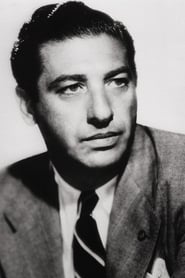
American film director, writer, and producer who became craftsmen of early sound-era Hollywood, especially in the development of sophisticated musical comedy and romantic farce. Born in New York City, he began his film career in the late silent era and quickly moved into directing after working in shorts and comedies, including collaborations associated with the early careers of the Marx Brothers. By the 1930s he had become closely identified with Paramount and with elegant, fast-moving entertainment that balanced wit, visual polish, and musical spectacle. Sandrich is best remembered today for helping shape several of Fred Astaire and Ginger Rogers's most beloved films, including Top Hat and Shall We Dance, which helped define the backstage-and-ballroom musical for generations. He also directed the popular 'Road' sequence in the wake of comedy-musical trends and later worked on prestige productions such as The Gay Divorcee and Follow the Fleet. His career was cut short when he died unexpectedly in 1945 at the age of 44, but in a relatively brief span he left a durable mark on the classic Hollywood musical and on studio-era comedy direction.
The Craft
Behind the Camera
Sandrich's directing style was streamlined, elegant, and highly professional, reflecting the studio-era emphasis on precision, pacing, and tonal control. He was especially skilled at balancing musical performance with narrative clarity, allowing dance numbers to feel integrated into story rather than isolated as spectacles. His comedies tend to emphasize brisk rhythm, urbane humor, and a polished visual surface, with careful attention to entrances, exits, and comic timing. In musical films, he favored clean staging and a graceful flow that showcased performers like Fred Astaire and Ginger Rogers at their most charming and effortless. He was less interested in overt directorial flamboyance than in making the material appear graceful, witty, and seamless, which is a major reason his films remain so admired.
Milestones
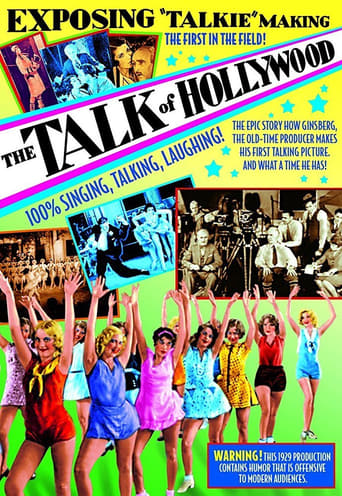
- Directed the early talkie The Talk of Hollywood (1929), one of the titles associated with his transition into sound-era filmmaking
- Established himself at Paramount as a reliable director of sophisticated comedies and musicals in the 1930s
- Directed The Gay Divorcee (1934), a major early Fred Astaire and Ginger Rogers success
- Directed Top Hat (1935),
- Directed Follow the Fleet (1936), continuing the Astaire-Rogers series that became central to classic Hollywood musical history
- Directed Shall We Dance (1937), another key Astaire-Rogers collaboration notable for its blend of romance, dance, and witty production design
- Worked on prestigious studio entertainment that helped codify the look and rhythm of the sophisticated Hollywood musical
- Built a reputation as a director who could combine visual elegance, timing, and light comedy into polished mainstream entertainment
Best Known For
Must-See Films
Working Relationships
Worked Often With
Studios
Why They Matter
Impact on Culture
Mark Sandrich played a significant role in defining the polished, urbane musical comedy that became one of the signature achievements of 1930s Hollywood. His films with Fred Astaire and Ginger Rogers helped establish a template in which romance, music, and dance were woven into a seamless narrative fantasy, influencing not only later studio musicals but also the public's enduring image of classic Hollywood sophistication. The grace and precision of these films made them perennial favorites in repertory screening, television syndication, and home-video circulation, keeping Sandrich's work visible long after his death. He also contributed to the broader comic tradition of early sound cinema by helping shape ensemble comedy and adaption of stage-derived material into motion-picture form. In film history, Sandrich is often remembered less as a flashy auteur than excelled in studio craftsmanship whose disciplined direction made iconic performances look effortless.
Lasting Legacy
Sandrich's lasting legacy lies in the fact that several of the most admired musicals of the Golden Age were made under his direction, and those films continue to serve as touchstones for the genre. Top Hat and Shall We Dance are especially enduring because they represent a high point in the elegant, escapist musical formula that dominated mid-1930s Hollywood. His work demonstrates how a director could shape tone, rhythm, and performance style within the studio system to create films that feel both light and meticulously constructed. Later generations of filmmakers and historians have often cited his films as exemplary in the balance of choreography, romance, and comic timing. Although he is not always as widely recognized by general audiences as his stars, his importance to musical-film history is substantial and well established.
Who They Inspired
Sandrich influenced later musical directors by demonstrating how choreography could be integrated into narrative cinema without disrupting emotional flow. His careful staging of dance numbers and his emphasis on timing, clarity, and visual polish became part of the classical vocabulary of the Hollywood musical. Directors working in both film musicals and romantic comedies inherited his model of smooth pacing and sophisticated tone. His collaborations with Astaire and Rogers also helped set the standard for star-driven musical filmmaking, influencing how studios developed pairings and packaged elegance as entertainment. Even when not directly cited, his approach can be seen in later productions that sought the same blend of wit, dance, and glamour.
Off Screen
Mark Sandrich lived much of his life within the studio system and maintained a career centered on Hollywood production rather than public celebrity. He was married and had family life, but compared with some of his contemporaries, relatively little widely circulated personal detail survives in standard classic-cinema references. His early death in 1945 ended what might have become an even longer career in major studio direction. Contemporary accounts and later film histories emphasize his professional reputation as a dependable, polished director rather than a figure known for scandal or high-profile public persona.
Education
Educational background is not widely documented in standard classic-cinema sources; he is generally identified as a New York-born film professional who entered the industry through practical experience rather than a prominently recorded formal film education.
Family
- Name not consistently documented in standard public film references
Did You Know?
- Mark Sandrich was one of the key directors associated with the Fred Astaire and Ginger Rogers phenomenon of the 1930s.
- He directed Top Hat, often ranked among the greatest movie musicals ever made.
- His active years covered the transition from silent films into sound, and he adapted successfully to both comedy and musical production.
- He also worked with major comedy talent, including projects associated with the Marx Brothers era.
- Sandrich died relatively young, at 44, cutting short a career that had become increasingly prestigious.
- He was known in the studio system as a skilled professional rather than a flamboyant public celebrity.
- His films are frequently revived in classic-film retrospectives because of their refined style and enduring charm.
- He helped shape the screen image of polished, romantic escapism that defined much of 1930s musical entertainment.
Frequently Asked Questions
Who was Mark Sandrich?
American on YTB.my. He is especially remembered for directing several major Fred Astaire and Ginger Rogers films that helped define the classic studio musical.
What films is Mark Sandrich best known for?
Titles linked here include The Talk of Hollywood (1929), The Gay Divorcee (1934).
When was Mark Sandrich born and when did he die?
Born August 26, 1900; died March 20, 1945.
What awards did Mark Sandrich win?
No major awards are widely documented for him in standard reference sources, and he is not commonly listed as a recipient of major competitive honors such as Academy Awards. His reputation rests more on the enduring popularity and historical importance of his films than on formal awards recognition.
What was Mark Sandrich's directing style?
Sandrich's style was polished, efficient, and elegant, with a strong sense of pacing and visual clarity. He was especially good at integrating musical performance into story flow, making dance numbers feel natural within the narrative and allowing stars like Astaire and Rogers to shine.
What is Mark Sandrich's legacy in film history?
His legacy is tied to the classic Hollywood musical, especially the refined, romantic style that became a hallmark of 1930s studio filmmaking. The films he directed remain beloved for their sophistication, comic timing, and choreography, and they continue to be studied as exemplary musical entertainments.