Rafi Peer
Actor
Born: 1914 in Lahore, British India (now Pakistan) Died: 2002 Active: 1930s-1990s Birth Name: Rafi-ud-Din Ahmed Peerzada
Films
1 film
About Rafi Peer
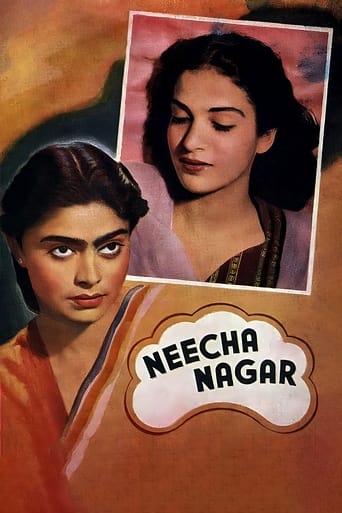
Rafi Peer, born Rafi-ud-Din Ahmed Peerzada, was a theater and film actor from the Indian subcontinent who emerged during the transitional period of Indian cinema. He came from the illustrious Peer family of Lahore, which had deep roots in performing arts and entertainment. While primarily known for his extensive work in theater, Peer made a significant mark in cinema with his appearance in 'Neecha Nagar' (1946), a film that became the first Indian movie to win international recognition at the Cannes Film Festival. His performance in this socially conscious film showcased his ability to portray complex characters dealing with class struggle and social injustice. Beyond his acting, Peer was instrumental in developing theatrical traditions in the region and contributed to the cultural landscape through his innovative approach to performance arts. His the crucial period of partition, and he continued his artistic work in the newly formed Pakistan. Though his filmography was limited, his impact on performing arts in South Asia was substantial and lasting.
The Craft
On Screen
Known for his naturalistic approach to acting, Peer brought a sense of authenticity and emotional depth to his performances. His style was influenced by both traditional South Asian theatrical traditions and modern Western acting techniques, creating a unique blend that resonated with audiences. In theater, he was particularly noted for his powerful stage presence and ability to convey complex social themes through subtle character work.
Milestones
- Acted in Neecha Nagar (1946) - first Indian film to win at Cannes
- Pioneered modern theater in Pakistan
- Founded Rafi Peer Theatre Workshop
- Directed numerous theatrical productions
- Mentored generations of performers in South Asia
Best Known For
Iconic Roles
Must-See Films
Accolades
Won
- Pride of Performance Award (Pakistan)
Nominated
- Cannes Film Festival recognition for Neecha Nagar
Special Recognition
- Recognized as pioneer of Pakistani theater
- Cultural ambassador for performing arts
Working Relationships
Worked Often With
Why They Matter
Impact on Culture
Rafi Peer played a crucial role in bridging traditional South Asian performing arts with modern theatrical expressions. His work in 'Neecha Nagar' helped establish Indian cinema's presence on the international stage, while his theater work in Pakistan helped develop a distinct theatrical identity for the new nation. He was instrumental in preserving cultural heritage while embracing contemporary themes and techniques.
Lasting Legacy
Rafi Peer's legacy extends far beyond his limited filmography. He is remembered as a cultural pioneer who helped shape the theatrical landscape of Pakistan and contributed to early Indian cinema's international recognition. The Rafi Peer Theatre Workshop, established by his family, continues to be a major cultural institution in Pakistan, hosting international festivals and promoting performing arts. His influence can be seen in generations of actors and directors who trained under or were inspired by his work.
Who They Inspired
Peer influenced the development of modern theater in Pakistan by combining traditional storytelling with contemporary themes. His naturalistic acting style inspired many performers to move away from melodramatic traditions toward more realistic portrayals. Through his teaching and mentorship, he helped establish a new generation of theater professionals who continue to shape South Asian performing arts.
Off Screen
Rafi Peer was born into the prominent Peer family of Lahore, which had a long tradition in performing arts. He was married and had children who continued the family's artistic legacy. His life spanned the partition of the Indian subcontinent, during which he migrated to Pakistan and continued his artistic pursuits there. He was deeply committed to preserving and evolving the theatrical traditions of South Asia throughout his life.
Education
Educated in Lahore, studied both traditional arts and modern theatrical techniques
Family
- Information not publicly available
Did You Know?
- Neecha Nagar was one of the first Indian films to address social inequality directly
- The film won the Grand Prix at the first Cannes Film Festival in 1946
- Rafi Peer came from a family with seven brothers, all involved in performing arts
- His family established the Rafi Peer Theatre Workshop, which became Pakistan's premier cultural institution
- Peer was fluent in multiple languages, including Urdu, Punjabi, and English
- He witnessed the transition from silent films to talkies and from colonial to post-colonial South Asia
- His theatrical productions often addressed social and political themes
- He mentored many of Pakistan's most prominent theater artists
- The Peer family's contributions span over three generations in performing arts
- Rafi Peer Theatre Workshop now hosts one of Asia's largest performing arts festivals
In Their Own Words
Theater is not just entertainment; it is the mirror of society
Art must speak truth to power, even when it's uncomfortable
Our traditions are our roots, but we must grow new branches
Every performance is a conversation between the artist and the audience
Frequently Asked Questions
Who was Rafi Peer?
Theater and film with credits in this catalog. He came from the illustrious Peer family of performers and was instrumental in developing modern theater in Pakistan.
What films is Rafi Peer best known for?
Titles linked here include Neecha Nagar (1946).
When was Rafi Peer born and when did he die?
Born 1914; died 2002.
What awards did Rafi Peer win?
Rafi Peer received the Pride of Performance Award from the Pakistani government for his contributions to arts and culture. His film 'Neecha Nagar' won the Grand Prix at the Cannes Film Festival, marking a historic achievement for Indian cinema.
What was Rafi Peer's acting style?
Rafi Peer was known for his naturalistic acting style that blended traditional South Asian theatrical techniques with modern Western approaches. He emphasized authenticity and emotional depth, particularly in portraying complex social themes and characters.
What is Rafi Peer's legacy in South Asian performing arts?
Rafi Peer's legacy includes establishing modern theater traditions in Pakistan and contributing to early Indian cinema's international recognition. The Rafi Peer Theatre Workshop, founded by his family, continues to be a major cultural institution promoting performing arts in South Asia.