Luis Alberni
Actor
Born: October 4, 1886 in Barcelona, Spain Died: December 23, 1962 Active: 1922-1948
Films
2 films
About Luis Alberni
Prolific Spanish-born character actor who enjoyed a career in Hollywood spanning nearly three decades. Born in Barcelona in 1886, he began his acting career on the Spanish stage before immigrating to the United States in the early 1920s. Alberni quickly established himself in silent films with his distinctive appearance - bald with a prominent mustache - and his ability to convey emotion through expressive facial expressions. He successfully transitioned to talkies, where his Spanish accent became an asset rather than a hindrance, allowing him to play authentic ethnic characters. Throughout his career, he appeared in over 200 films, often typecast as Spanish, Italian, or French characters but always bringing depth and humanity to his roles. Alberni worked steadily through the 1930s and 1940s, appearing in both major studio productions and B-movies, becoming one of Hollywood's most recognizable character actors. His final film appearances were in the late 1940s, after which he retired from acting. He passed away in Hollywood in 1962, leaving behind a rich legacy of performances that showcased the importance of character actors in Golden Age cinema.
The Craft
On Screen
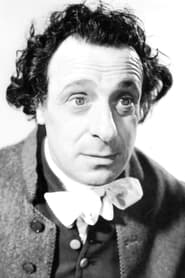
Luis Alberni was known for his highly expressive and theatrical acting style, which served him well in both silent and sound films. He utilized exaggerated gestures and facial expressions to convey emotions, particularly effective in silent cinema where dialogue was absent. His distinctive physical appearance - bald head, mustache, and expressive eyes - became his trademark, allowing audiences to instantly recognize his characters. Alberni had a natural talent for dialect work, which made him invaluable in ethnic roles, and he brought warmth and humanity to characters that could have easily become stereotypes. His performances often blended comedy with pathos, creating memorable supporting characters that audiences could connect with emotionally.
Milestones
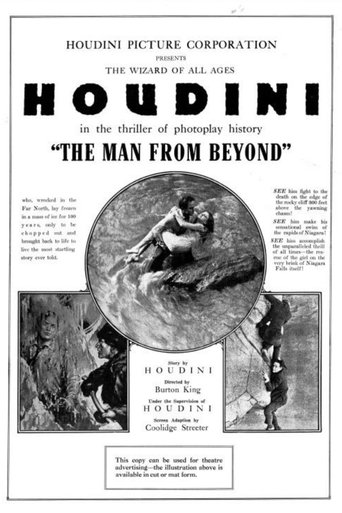
- Appeared in Harry Houdini's 'The Man from Beyond' (1922)
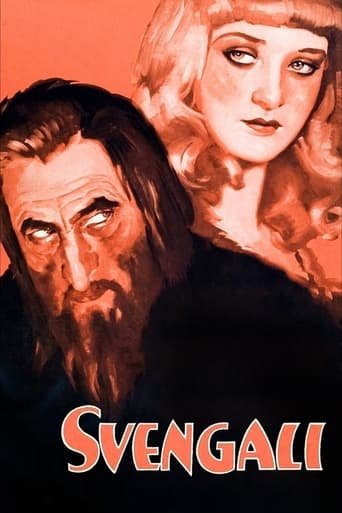
- Played significant role in 'Svengali' (1931)
- Appeared in Academy Award-winning 'Viva Villa!' (1934)
- Had memorable role in 'The Good Earth' (1937)
- Appeared in 'For Whom the Bell Tolls' (1943)
- Received Hollywood Walk of Fame star
- Successfully transitioned from silent films to talkies
- Appeared in over 200 films during his career
Best Known For
Iconic Roles
Must-See Films
Accolades
Won
- Hollywood Walk of Fame Star (1960)
Special Recognition
- Hollywood Walk of Fame star at 6425 Hollywood Boulevard
Working Relationships
Worked Often With
Studios
Why They Matter
Impact on Culture
Luis Alberni played a significant role in representing Hispanic characters in early Hollywood cinema at a time when authentic ethnic casting was rare. As one of the few Spanish-born actors working consistently in American films, he helped pave the way for future Latino performers in Hollywood. His ability to play diverse ethnic roles with authenticity challenged the stereotypical portrayals common in the era. Alberni's successful transition from silent films to talkies demonstrated the importance of character actors in the evolving film industry, and his prolific career showed the value of reliable supporting players in creating memorable cinema.
Lasting Legacy
Luis Alberni's legacy lies in his contribution to Golden Age Hollywood as. With over 200 film appearances, he exemplified the crucial role that supporting actors play in creating rich, believable cinematic worlds. His success as a Spanish immigrant in Hollywood helped open doors for other Hispanic performers, and his ability to maintain a steady career through the transition from silent to sound films demonstrated remarkable adaptability. Today, film historians and classic cinema enthusiasts recognize him as an essential part of Hollywood's Golden Age tapestry, a performer who brought authenticity and humanity to countless roles.
Who They Inspired
Alberni influenced subsequent generations of Hispanic actors in Hollywood by proving that Spanish performers could find success in American cinema without completely abandoning their ethnic identity. His career demonstrated that character actors could build lasting careers by developing distinctive personas and reliable performances. While he may not have been a major star, his work ethic and professionalism set an example for supporting actors throughout the industry. Contemporary Hispanic actors working in Hollywood owe a debt to pioneers like Alberni, who helped establish the presence of Latino performers in American film.
Off Screen
Luis Alberni was married to actress Helen O'Hara from 1925 until his death in 1962. The couple met while working in Hollywood and maintained a stable marriage throughout his career in the film industry. They had no children together. Alberni was known as a private individual who rarely discussed his personal life in public, preferring to let his work speak for itself. He maintained close friendships with other Spanish actors in Hollywood and was respected within the Spanish-American community for his success in American cinema.
Education
Limited information available about his formal education, though he likely received theatrical training in Spain before beginning his stage career
Family
- Helen O'Hara (1925-1962)
Did You Know?
- Born in Barcelona, Spain, and immigrated to the United States in the early 1920s
- Appeared in over 200 films during his 26-year career
- Worked with Harry Houdini in 'The Man from Beyond', one of Houdini's few film roles
- Successfully transitioned from silent films to talkies despite his Spanish accent
- Often typecast as Spanish, Italian, or French characters due to his authentic accent
- Was a close friend of fellow Spanish actor Antonio Moreno
- His distinctive bald appearance with mustache made him instantly recognizable to audiences
- Received his Hollywood Walk of Fame star posthumously in 1960
- Never received top billing but was considered one of Hollywood's most reliable character actors
- Appeared in both A-list productions and B-movies throughout his career
- Was known for his professionalism and reliability on film sets
In Their Own Words
No specific famous quotes are documented, as he was primarily known for his performances rather than memorable lines
Frequently Asked Questions
Who was Luis Alberni?
Screen credits include over 200 films during Hollywood's Golden Age. He was known for his distinctive appearance with a bald head and mustache, and frequently played Spanish, Italian, or French characters in both silent films and talkies from the 1920s through the 1940s.
What films is Luis Alberni best known for?
Titles linked here include The Man from Beyond (1922), Svengali (1931).
When was Luis Alberni born and when did he die?
Born October 4, 1886; died December 23, 1962.
What awards did Luis Alberni win?
While Luis Alberni did not receive major acting awards like Academy Awards, he was honored with a star on the Hollywood Walk of Fame in 1960 for his contributions to motion pictures. His star is located at 6425 Hollywood Boulevard.
What was Luis Alberni's acting style?
Alberni was known for his highly expressive and theatrical acting style, utilizing exaggerated gestures and facial expressions that were particularly effective in silent films. His distinctive appearance and natural ability with dialects made him invaluable in ethnic roles, and he brought warmth and humanity to characters that could have easily become stereotypes.
How did Luis Alberni influence Hispanic representation in Hollywood?
As one of the few Spanish-born actors working consistently in American films during his era, Alberni helped pave the way for future Latino performers. He proved that Hispanic actors could find success without completely abandoning their ethnic identity, and his authentic portrayals challenged the stereotypical representations common in early Hollywood cinema.