Liane de Pougy
Actor
Born: July 2, 1869 in La Flèche, France Died: December 26, 1950 Active: 1880s-1950 (courtesan/dancer/writer), 1906 (film career) Birth Name: Anne-Marie Chassaigne
Films
1 film
About Liane de Pougy
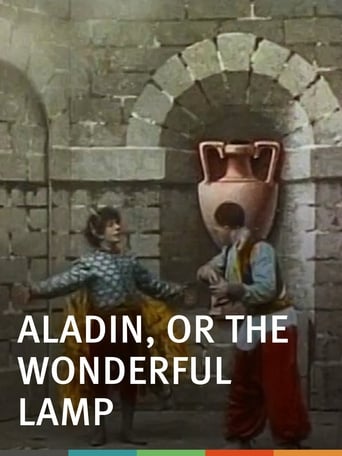
Liane de Pouzy, born Anne-Marie Chassaigne, was famous courtesans of the Belle Époque era in Paris who briefly ventured into early cinema. Born in 1869 in La Flèche, France, she initially entered a convent at age 16 but left to marry naval officer Armand Pourpe, with whom she had a son before their divorce. She moved to Paris and began performing as a dancer at the prestigious Folies Bergère, where her beauty and charisma attracted wealthy patrons, launching her career as a high-society courtesan. Throughout the 1890s and early 1900s, she was sought-after courtesans in Paris, commanding enormous fees and maintaining relationships with prominent figures in European society. In 1906, she made her only known film appearance in Georges Méliès' 'Aladdin and His Wonder Lamp,' representing the intersection of Belle Époque culture with emerging cinema. Later in life, she experienced a religious conversion to Catholicism, wrote several books including her memoirs, and ultimately retired to a convent in Switzerland where she died in 1950, completing a remarkable journey from convent girl to celebrated courtesan to religious devotee.
The Craft
On Screen
Having no formal acting training and appearing in only one film, her performance style was likely theatrical and influenced by her background as a dancer and performer in Parisian entertainment venues. Her screen presence in 'Aladdin and His Wonder Lamp' would have reflected the exaggerated, gestural acting style common in early silent cinema.
Milestones
- Became one of Paris's most famous courtesans during the Belle Époque
- Performed as a dancer at the Folies Bergère
- Appeared in Georges Méliès' 'Aladdin and His Wonder Lamp' (1906)
- Wrote several autobiographical works including her memoirs
- Converted to Catholicism and retired to a convent in Switzerland
Best Known For
Iconic Roles
Must-See Films
Accolades
Special Recognition
- Recognized as
- Her memoirs are considered valuable historical documents of the period
Working Relationships
Worked Often With
Studios
Why They Matter
Impact on Culture
Liane de Pouzy's cultural impact extends far beyond her brief film career. As. Her life story exemplified the complex social dynamics of late 19th and early 20th century Paris, where courtesans could achieve remarkable social mobility, wealth, and influence. Her transition from convent girl to celebrated courtesan to religious devotee mirrored the broader social and cultural transformations of her time. Her memoirs and writings provide invaluable historical documentation of the Belle Époque era, offering insights into the hidden world of high society and the lives of women who operated outside conventional social norms.
Lasting Legacy
Liane de Pouzy's legacy is multifaceted, spanning her roles as a cultural icon, writer, and historical figure. Her brief appearance in early cinema represents the intersection of traditional Belle Époque entertainment with the emerging art form of film. More significantly, her life story has become emblematic of the complex social structures of her era, illustrating how women could achieve remarkable agency and influence within the constraints of their time. Her autobiographical works remain important primary sources for historians studying the Belle Époque period, the institution of courtesanship, and the social history of Paris. Her ultimate religious transformation adds another dimension to her legacy, representing the possibility of personal redemption and spiritual fulfillment regardless of one's past.
Who They Inspired
While Liane de Pouzy did not directly influence other actors or filmmakers due to her minimal film career, her life and writings have influenced subsequent generations of historians, writers, and cultural scholars interested in the Belle Époque era. Her memoirs have been referenced in numerous academic works about French social history, women's studies, and the cultural history of Paris. Her story has served as inspiration for fictional characters and historical novels depicting the courtesan culture of the late 19th century. Her journey from social outcast to celebrated figure to religious devotee has provided a compelling narrative framework for exploring themes of transformation, redemption, and the complex nature of female agency in historical contexts.
Off Screen
Liane de Pouzy's personal life was as dramatic as her public career. She married naval officer Armand Pourpe in 1889 and had a son with him, but the marriage ended in divorce. She had a famous affair with poet Lautréamont that ended with his death. Her clients and lovers included some of the wealthiest and most powerful men in Europe. In her later years, she experienced a profound religious transformation, converting to Catholicism and eventually retiring to the convent of Saint-Joseph in Lausanne, Switzerland, where she spent her final years in religious devotion.
Education
Educated at a convent in her youth before leaving at age 16 to marry
Family
- Armand Pourpe (1889-1891)
Did You Know?
- She was
- She had a famous rivalry with fellow courtesan Émilienne d'Alençon
- Her affair with poet Lautréamont ended when he died from a fever at age 24
- She was known for her distinctive beauty, with many contemporaries describing her as having 'cat-like' eyes
- Her memoirs were considered scandalous when published but are now valued as historical documents
- She converted to Catholicism after attending a service at the Basilica of Sainte-Clothilde in Paris
- Her son Marc Pourpe became a aviator who died in World War I
- Georges Méliès cast her in his film likely due to her fame and beauty rather than acting ability
- She spent her final 20 years in religious devotion at a Swiss convent
- Her real name Anne-Marie Chassaigne was rarely used during her career as a courtesan
In Their Own Words
I have been the most celebrated courtesan of my time, and now I wish only to serve God
Beauty is a weapon that must be wielded wisely, for it fades as quickly as youth
In Paris, a woman with beauty and wit can conquer the world, or at least the part of it that matters
The convent taught me discipline, the stage taught me performance, and life taught me survival
I have known kings and poets, millionaires and artists, but in the end, I sought only peace
Frequently Asked Questions
Who was Liane de Pouzy?
Liane de Pouzy was a famous French courtesan, dancer, and writer of the Belle Époque era who briefly appeared in early cinema. Born Anne-Marie Chassaigne in 1869, she became one of Paris's most celebrated courtesans before converting to Catholicism in her later years and writing her memoirs. Her only film appearance was in Georges Méliès' 'Aladdin and His Wonder Lamp' in 1906.
What films is Liane de Pouzy best known for?
Titles linked here include Aladdin and His Wonder Lamp (1906).
When was Liane de Pouzy born and when did she die?
Born July 2, 1869; died December 26, 1950.
What awards did Liane de Pouzy win?
Liane de Pouzy did not receive any formal awards for her brief film career or her work as a courtesan. However, she was widely recognized as.
What was Liane de Pouzy's acting style?
Given her appearance in only one silent film and her background as a dancer rather than a trained actress, her acting style would have been theatrical and expressive, typical of early silent film performances. Her screen presence likely relied on her renowned beauty and the dramatic gestures common in cinema of that era.
How did Liane de Pouzy influence French culture?
Liane de Pouzy influenced French culture as an emblematic figure of the Belle Époque, representing the complex social dynamics of Parisian high society. Her life story and writings provide valuable insights into the era's social structures, gender roles, and the unique position of courtesans in French society. Her eventual religious transformation also reflected broader cultural shifts in early 20th century France.