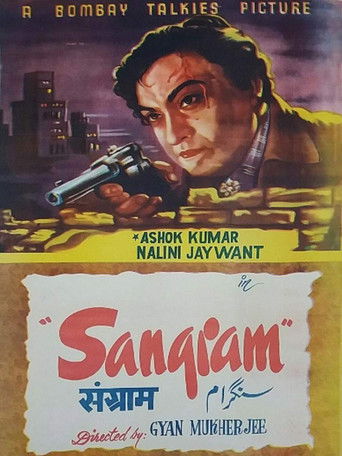
Films
1 film
About Gyan Mukherjee
Indian film director active during the early post-independence era of Indian cinema. He directed the 1950 film 'Sangram,' which was one of the notable productions of its time, featuring prominent actors of the era including Ashok Kumar and Nalini Jaywant. His directorial work emerged during a transformative period in Indian filmmaking when the industry was transitioning to new themes and techniques following India's independence in 1947. While detailed documentation of his complete filmography and career trajectory remains limited, 'Sangram' to his contribution to early Hindi cinema. The film reflected the social and cultural themes prevalent in Indian cinema of the early 1950s, though comprehensive details about his other works and artistic philosophy are scarce in available historical records.
The Craft
Behind the Camera
Limited documentation available, but appeared to work within the conventions of early 1950s Indian cinema, focusing on dramatic narratives and social themes
Milestones
- Directed Sangram (1950)
- Worked with prominent actors of early Indian cinema
Best Known For
Must-See Films
Working Relationships
Worked Often With
Why They Matter
Impact on Culture
Gyan Mukherjee's contribution to Indian cinema, while limited in documented scope, represents the work of numerous directors who helped shape the early post-independence film industry in India. His film 'Sangram' was part of the cinematic landscape that reflected the changing social dynamics and cultural narratives of newly independent India. The era in which he worked was crucial for establishing themes and storytelling techniques that would influence subsequent generations of Indian filmmakers.
Lasting Legacy
Due to limited historical documentation, Gyan Mukherjee's full legacy in Indian cinema remains partially obscured. However, his directorial work on 'Sangram' places him among the early filmmakers who contributed to the foundation of post-independence Hindi cinema. The film itself serves as a historical artifact of the cinematic techniques and storytelling approaches prevalent during this transitional period in Indian film history.
Who They Inspired
Specific details about Gyan Mukherjee's influence on other filmmakers are not well-documented in available historical records, which is a common challenge when researching early Indian cinema directors who worked outside the major studio systems or whose careers were not extensively chronicled in film literature.
Off Screen
Very limited biographical information is available about Gyan Mukherjee's personal life, which is common for many early Indian film directors whose contributions were not extensively documented.
Did You Know?
- Sangram (1950) featured Ashok Kumar,
- The film emerged during the early years of independent India, reflecting the changing social landscape
- Limited documentation exists about many early Indian film directors from this period
- The 1950s was a crucial decade for establishing narrative conventions in Indian cinema
- Early Indian cinema directors often worked with limited resources but created culturally significant films
Frequently Asked Questions
Who was Gyan Mukherjee?
Indian on YTB.my.' He worked during a significant period in Indian cinema following the country's independence.
What films is Gyan Mukherjee best known for?
Titles linked here include Sangram (1950).
When was Gyan Mukherjee born and when did they die?
Specific birth and death dates for Gyan Mukherjee are not available in documented historical records, which is common for many early Indian film directors whose biographical information was not extensively preserved.
What awards did Gyan Mukherjee win?
There are no documented awards or nominations for Gyan Mukherjee in available historical records, which may reflect the limited documentation of early Indian cinema recognition systems.
What was Gyan Mukherjee's directing style?
While specific details about his directing style are limited, his work on 'Sangram' suggests he operated within the conventions of early 1950s Indian cinema, focusing on dramatic narratives that reflected the social themes of post-independence India.