Films
2 films

About Master Mohammed
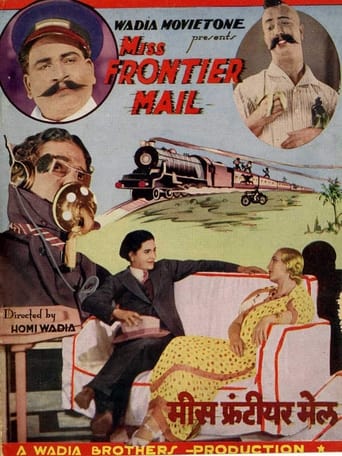
Master Mohammed worked on films during the early sound era of Indian cinema in the 1930s. His career, though brief, spanned from 1933 to 1936, during which he worked in productions that were part of the burgeoning Indian film industry. Master appears in 'Lal-e-Yaman' in 1933, which was one of the many films being produced as Indian cinema transitioned from silent films to talkies. His most notable appearance was in 'Miss Frontier Mail' (1936), a Wadia Movietone production that became famous for starring Fearless Nadia, India's original stunt queen. Like many child actors of this era, Master Mohammed likely played supporting roles that contributed to the ensemble casts typical of early Indian cinema. The limited documentation of his career reflects the sparse record-keeping practices of early Indian film studios, where many supporting actors and child performers were not extensively documented in contemporary film literature.
The Craft
Milestones
- Appeared in 'Lal-e-Yaman' (1933)
- Acted in 'Miss Frontier Mail' (1936)
- Part of Wadia Movietone productions
Best Known For
Iconic Roles
Must-See Films
Working Relationships
Worked Often With
Studios
Why They Matter
Impact on Culture
Master Mohammed represents the often-overlooked child actors who contributed to the foundation of Indian cinema during its formative years in the 1930s. His participation in films like 'Miss Frontier Mail' places him within the context of early Indian cinema's transition to sound and the emergence of action films starring women like Fearless Nadia. Child actors like him were essential to the ensemble casts of early Indian films, helping to create the family-oriented narratives that would become a staple of Indian cinema. Though not a major star, his work contributed to the development of the Indian film industry during its crucial early years.
Lasting Legacy
Master Mohammed's legacy lies in his contribution to the early years of Indian sound cinema, particularly in the action-adventure genre that Wadia Movietone helped popularize. His appearance in 'Miss Frontier Mail' connects him to. While his individual performances may not have been extensively documented, his work as part of these films represents the collaborative nature of early Indian filmmaking, where even supporting and child actors played crucial roles in establishing cinematic conventions.
Who They Inspired
As a child actor from the 1930s, Master Mohammed's direct influence on subsequent generations of performers is difficult to trace, which was typical for many supporting actors of early Indian cinema. However, his participation in early sound films contributed to the establishment of child acting as a profession in Indian cinema, a tradition that would continue and evolve throughout the history of Indian film industry.
Off Screen
Very limited information is available about the personal life of Master Mohammed, which was common for child actors in early Indian cinema who often did not receive extensive media coverage.
Did You Know?
- Appeared during the transition period from silent to sound films in India
- Worked with Wadia Movietone, one of the studios of Indian cinema
- His film 'Miss Frontier Mail' featured Fearless Nadia, India's first stunt woman
- Child actors in 1930s Indian cinema often received minimal documentation
- The 1930s was a decade of rapid growth for the Indian film industry
- Early Indian films often featured ensemble casts with numerous supporting roles
- Many child actors from this era did not continue in the film industry as adults
Frequently Asked Questions
Who was Master Mohammed?
Screen credits include films during the early sound era of Indian cinema in the 1930s, known for his roles in 'Lal-e-Yaman' (1933) and 'Miss Frontier Mail' (1936).
What films is Master Mohammed best known for?
Titles linked here include Lal-e-Yaman (1933), Miss Frontier Mail (1936).
When was Master Mohammed born and when did he die?
Unfortunately, specific birth and death dates for Master Mohammed are not available in documented film history records, which was common for many child actors from early Indian cinema.
What awards did Master Mohammed win?
No awards or nominations for Master Mohammed are documented, which was typical for many supporting child actors in the 1930s Indian film industry when formal award systems were not yet established.
What was Master Mohammed's acting style?
Specific details about Master Mohammed's acting style are not documented in available film history records, though child actors of this era typically performed in the theatrical style common to early Indian cinema.
Did Master Mohammed work with any famous directors?
Master Mohammed worked with Homi Wadia, a director of Indian cinema who was known for action films and for directing Fearless Nadia in several successful productions.