Films
2 films
About Roop K. Shorey
Indian filmmaker who worked as both an actor and director during the late 1940s and early 1950s, a pivotal period in Indian cinema following the country's independence. He emerged as a director with the film 'Ek Thi Larki' in 1949, which showcased his understanding of contemporary social themes and narrative techniques that were becoming popular in post-independence Indian cinema. As an actor, he appeared in 'Buzdil' in 1951, demonstrating his versatility in front of the camera as well as behind it. His career, though relatively brief according to available records, spanned the crucial transition period when Indian cinema was moving from the studio system to more independent productions. Shorey was part of a generation of filmmakers who helped shape the identity of modern Indian cinema during the nation's formative years after 1947. His work reflected the changing social dynamics and aspirations of newly independent India, incorporating both entertainment value and social commentary. While his filmography appears limited, his contributions during this significant era of Indian film history helped pave the way for future generations of filmmakers.
The Craft
On Screen
Based on the limited filmography, Roop K. Shorey appeared to work within the dramatic conventions of early 1950s Indian cinema, likely employing the theatrical yet naturalistic style that was emerging during that period.
Behind the Camera
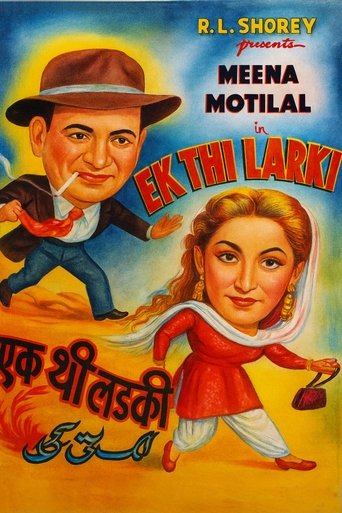
His directing approach in 'Ek Thi Larki' (1949) reflected the post-independence Indian cinema trend of blending entertainment with social themes, incorporating the narrative techniques that were becoming standard in Hindi cinema of that era.
Milestones
- Directed 'Ek Thi Larki' (1949)
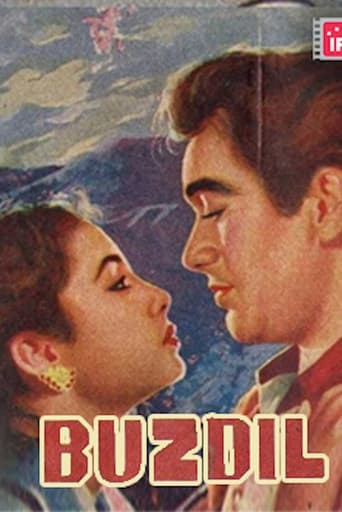
- Acted in 'Buzdil' (1951)
- Worked during post-independence Indian cinema renaissance
- Contributed to early Hindi cinema narrative development
Best Known For
Iconic Roles
Must-See Films
Why They Matter
Impact on Culture
Roop K. Shorey's work during the immediate post-independence period contributed to the development of Indian cinema's narrative language during a crucial transitional phase. His films were part of the broader movement that helped establish Hindi cinema as a powerful medium for reflecting contemporary Indian society and its changing values. The period in which he worked saw Indian cinema moving away from purely mythological and historical themes toward more contemporary stories that resonated with the newly independent nation's populace.
Lasting Legacy
While Roop K. Shorey's filmography appears limited based on available records, his work represents the contributions of countless filmmakers who helped shape Indian cinema during its formative modern period. His dual role as actor and director exemplified the versatile nature of early Indian film professionals who often wore multiple hats in the industry. The films he was associated with, particularly 'Ek Thi Larki' (1949), stand as examples of the type of cinema being produced during India's early years of independence.
Who They Inspired
Due to the limited documentation of his career and the relatively brief period of his known activity, specific information about Roop K. Shorey's direct influence on other filmmakers is not readily available. However, like many filmmakers of his era, his work would have contributed to the evolving language of Indian cinema that subsequent generations would build upon.
Off Screen
Limited information is available about Roop K. Shorey's personal life, which is not uncommon for many filmmakers from this era of Indian cinema whose records may not have been comprehensively documented.
Did You Know?
- Roop K. Shorey worked during a pivotal period in Indian cinema immediately following the country's independence in 1947
- His film 'Ek Thi Larki' (1949) was released just two years after India gained independence
- He represents the generation of filmmakers who helped transition Indian cinema from the colonial to the post-colonial era
- His dual career as both actor and director was common in early Indian cinema
- The limited documentation of his career is typical of many regional filmmakers from this period
- His work spanned the crucial years when Hindi cinema was establishing its modern identity
- The films he was associated with were part of the early wave of contemporary Indian cinema
Frequently Asked Questions
Who was Roop K. Shorey?
Indian filmmaker who worked as both an actor and on YTB.my. He directed 'Ek Thi Larki' in 1949 and acted in 'Buzdil' in 1951, contributing to post-independence Indian cinema during a crucial transitional period.
What films is Roop K. Shorey best known for?
Titles linked here include Ek Thi Larki (1949), Buzdil (1951).
When was Roop K. Shorey active in filmmaking?
Based on available filmography records, Roop K. Shorey was active in the Indian film industry from 1949 to 1951, working during a significant period in Indian cinema following the country's independence.
What was Roop K. Shorey's role in Indian cinema?
Roop K. Shorey worked as both an actor and director, representing the versatile filmmakers common in early Indian cinema. His work contributed to the development of post-independence Hindi cinema during its formative years.
Why is information about Roop K. Shorey limited?
Limited documentation of Roop K. Shorey's career is typical of many Indian filmmakers from this era, as comprehensive records and archival materials were not always maintained systematically during the early decades of Indian cinema.