
J. Carrol Naish
Actor
Born: January 21, 1897 in New York City, New York, USA Died: January 24, 1973 Active: 1930-1973 Birth Name: Joseph Patrick Carrol Naish
Films
4 films


About J. Carrol Naish
Joseph Patrick Carrol Naish, known professionally as J. Carrol Naish, was one of Hollywood's most versatile character actors during the Golden Age of cinema. Born to Irish immigrant parents in New York City in 1897, Naish began his career on the stage before transitioning to films in the early 1930s. He became renowned for his remarkable ability to portray characters of diverse ethnic backgrounds, particularly Italian, Hispanic, and Native American roles, earning him the nickname 'The Man of a Thousand Faces' before Lon Chaney Jr. Naish's over four decades, during which he appeared in more than 200 films and television productions. He received two Academy Award nominations for Best Supporting Actor for his performances in 'Sahara' (1943) and 'A Medal for Benny' (1945). Despite never winning an Oscar, Naish was highly respected by his peers and directors for his dedication to authenticity and his willingness to transform himself completely for each role. His later career included television work, most notably in the series 'The New Adventures of Charlie Chan' (1957-1958). Naish continued acting until his death in 1973, leaving behind a legacy as one of cinema's most dependable and talented character actors.
The Craft
On Screen
J. Carrol Naish was known for his transformative character acting, specializing in ethnic roles with remarkable authenticity. He employed method-like techniques before the method became mainstream, immersing himself completely in each character's background, mannerisms, and speech patterns. Naish had a particular talent for dialects and accents, allowing him to convincingly portray characters of various nationalities. His performances were characterized by subtle nuances, emotional depth, and a naturalistic approach that made even his most exaggerated characters believable. He avoided caricature, instead bringing humanity and dignity to roles that could easily have become stereotypes.
Milestones
- Film debut in 'The Royal Bed' (1931)
- Academy Award nomination for 'Sahara' (1943)
- Academy Award nomination for 'A Medal for Benny' (1945)
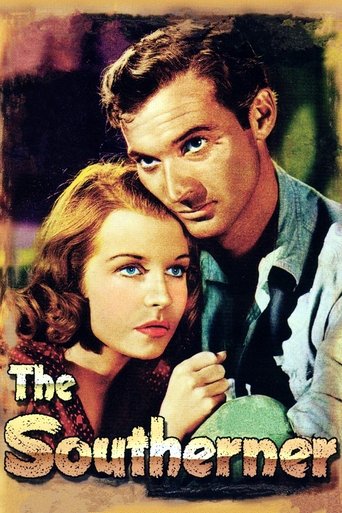
- Starred in 'The Southerner' (1945)
- Appeared in 'An American in Paris' (1951)
- Transition to television with 'The New Adventures of Charlie Chan' (1957-1958)
- Hollywood Walk of Fame star dedicated (1960)
Best Known For
Iconic Roles
Must-See Films
Accolades
Won
- Golden Globe for Best Supporting Actor - 'A Medal for Benny' (1945)
Nominated
- Academy Award nomination for Best Supporting Actor - 'Sahara' (1943)
- Academy Award nomination for Best Supporting Actor - 'A Medal for Benny' (1945)
Special Recognition
- Hollywood Walk of Fame star (located at 6340 Hollywood Boulevard)
- Golden Boot Award (posthumous) for contributions to Western films
Working Relationships
Worked Often With
Studios
Why They Matter
Impact on Culture
J. Carrol Naish significantly impacted Hollywood's approach to ethnic casting during a period when typecasting was rampant. While he played characters of various ethnicities, Naish brought dignity and humanity to roles that could have easily become offensive stereotypes. His performances helped audiences connect with characters from different backgrounds, subtly promoting cultural understanding during a time of limited diversity in American cinema. Naish's success as an Irish-American actor playing non-Irish roles also challenged industry norms about casting authenticity.
Lasting Legacy
J. Carrol Naish's legacy endures as one of Hollywood's most versatile character actors, remembered for his ability to completely transform himself for each role. His filmography serves as a valuable record of Hollywood's approach to diversity and representation during the Golden Age. Modern film scholars often cite Naish as an example of both the limitations and possibilities of ethnic casting in classic Hollywood. His dedication to craft and respect for the cultures he portrayed set a standard for character actors that continues to influence performers today.
Who They Inspired
Naish influenced generations of character actors, particularly those specializing in ethnic roles. His methodical approach to dialect and character study predated the mainstream acceptance of method acting in Hollywood. Many contemporary actors studying classic cinema look to Naish's performances as examples of how to bring authenticity to potentially stereotypical roles. His work ethic and versatility inspired actors like Benicio del Toro, Edward James Olmos, and other performers known for their transformative abilities.
Off Screen
J. Carrol Naish married actress Gladys Hurnette in 1929, and their marriage lasted until her death in 1971. The couple had one daughter, Elaine Naish, who also pursued a career in entertainment. Naish was known for his private personal life and rarely discussed his family in interviews. He served in the United States Army during World War I, which influenced his later portrayals of military characters. In his later years, Naish suffered from health issues but continued working as long as possible. He died just three days after his 76th birthday in San Diego, California, following a brief illness.
Education
Attended St. Francis Xavier College (now Fordham University) in New York, studied drama and appeared in school productions before pursuing professional acting career
Family
- Gladys Hurnette (1929-1971)
Did You Know?
- Was nicknamed 'The Man of a Thousand Faces' before Lon Chaney Jr. Gained the title
- Spoke fluent Italian, Spanish, and several other languages, which helped him land ethnic roles
- Served in the US Army during World War I before his acting career
- Was a close friend of fellow character actor Thomas Mitchell
- Appeared in more films than any other actor who never won an Academy Award
- Was a skilled painter in his spare time
- His daughter Elaine appeared in several of his later films
- Was one of the first actors to successfully transition from films to television in the 1950s
- Refused to play roles that he felt were demeaning to any ethnic group
- Was considered for the role of Don Corleone in 'The Godfather' before Marlon Brando was cast
In Their Own Words
I've played every nationality in the world except my own - Irish. I guess they don't need an Irishman when they have so many real ones around.
The secret to playing ethnic roles is respect. You must respect the people you're portraying or the audience will know it immediately.
I never considered myself a star, just a working actor. Stars come and go, but character actors work forever.
Every role, no matter how small, deserves the same preparation and respect. The audience doesn't know your billing, they only know your performance.
Frequently Asked Questions
Who was J. Carrol Naish?
Prolific American character with credits in this catalog. He appeared in over 200 films and television productions, earning two Academy Award nominations for Best Supporting Actor.
What films is J. Carrol Naish best known for?
Titles linked here include Sahara (1943), A Medal for Benny (1945).
When was J. Carrol Naish born and when did he die?
Born January 21, 1897; died January 24, 1973.
What awards did J. Carrol Naish win?
Naish won a Golden Globe Award for Best Supporting Actor for 'A Medal for Benny' (1945). He received two Academy Award nominations for Best Supporting Actor for 'Sahara' (1943) and 'A Medal for Benny' (1945), and has a star on the Hollywood Walk of Fame.
What was J. Carrol Naish's acting style?
Naish was known for his transformative character acting, specializing in authentic ethnic portrayals with remarkable dialect skills. He employed method-like techniques before they became mainstream, immersing himself completely in each character's background and bringing humanity to potentially stereotypical roles.
Why was J. Carrol Naish called 'The Man of a Thousand Faces'?
Naish earned this nickname due to his remarkable ability to completely transform himself for each role, convincingly playing characters of various ethnicities including Italian, Hispanic, Native American, and Asian characters. His versatility in appearance, mannerisms, and dialect made him one of Hollywood's most adaptable character actors.
Did J. Carrol Naish serve in the military?
Yes, Naish served in the United States Army during World War I before beginning his acting career. His military experience later influenced his authentic portrayals of military characters in films like 'Sahara' and other war movies.