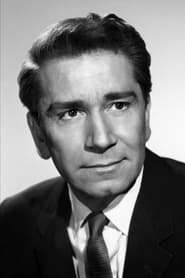
Richard Conte
Actor
Born: March 24, 1910 in Jersey City, New Jersey, USA Died: April 15, 1975 Active: 1939-1975 Birth Name: Nicholas Peter Conte
Films
1 film
About Richard Conte
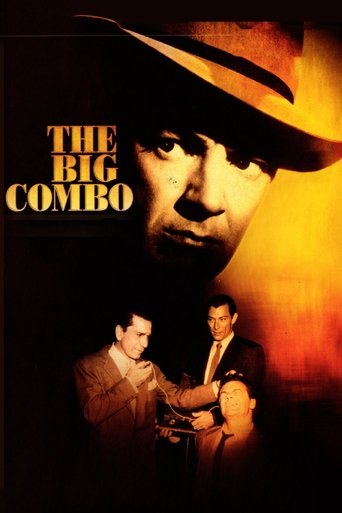
Richard Conte, born Nicholas Peter Conte, was a prominent American actor whose over four decades in Hollywood's Golden Age. He began his acting career in theater after being discovered by Elia Kazan and the Group Theatre, making his Broadway debut in 1939. Conte transitioned to films in the early 1940s, signing with 20th Century Fox and quickly establishing himself as a versatile leading man, particularly excelling in film noir and crime dramas. His breakthrough role came in 'I Walk Alone' (1948) opposite Burt Lancaster, showcasing his ability to portray both sympathetic protagonists and menacing antagonists. Throughout the 1950s, Conte became one of Hollywood's most reliable character actors, delivering memorable performances in films like 'The Big Combo' (1955) and 'Ocean's Eleven' (1960). His career experienced a significant resurgence in the 1970s with his powerful portrayal of Don Emilio Barzini in Francis Ford Coppola's 'The Godfather' (1972). Conte's final years were marked by health issues, but he continued working until his death in 1975, leaving behind a legacy of over 100 film and television appearances.
The Craft
On Screen
Conte was known for his intense, naturalistic acting style characterized by a brooding intensity and commanding screen presence. He excelled at portraying complex characters with moral ambiguity, often bringing a sense of underlying menace to his roles. His performances were marked by a distinctive gravelly voice and sharp, penetrating eyes that could convey both vulnerability and threat. Conte had a particular talent for film noir, where his ability to portray world-weary, cynical characters was perfectly suited to the genre's dark themes.
Milestones
- Broadway debut in 'The World We Make' (1939)
- Film debut in 'Guadalcanal Diary' (1943)
- Breakthrough role in 'I Walk Alone' (1948)
- Iconic performance in 'The Big Combo' (1955)
- Memorable role in 'The Godfather' (1972)
Best Known For
Iconic Roles
Must-See Films
Accolades
Won
- Star on the Hollywood Walk of Fame (1960)
Nominated
- Golden Globe nomination for Most Promising Male Newcomer (1945)
Special Recognition
- Hollywood Walk of Fame star at 6271 Hollywood Boulevard
Working Relationships
Worked Often With
Studios
Why They Matter
Impact on Culture
Richard Conte made a significant impact on American cinema, particularly in the film noir genre where he helped define the archetypal noir protagonist. His performances contributed to the genre's exploration of post-war anxiety and moral ambiguity, influencing how Hollywood portrayed urban crime and corruption. Conte's work in films like 'The Big Combo' and 'Cry of the City' helped establish the visual and narrative conventions of film noir that continue to influence contemporary filmmakers. His later role in 'The Godfather' cemented his place in cinema history as part of.
Lasting Legacy
Richard Conte's legacy endures through his extensive body of work that spans multiple decades and genres. He is remembered as one of Hollywood's most reliable character actors, capable of elevating any material with his intense presence. His filmography represents a virtual history of American cinema from the studio system era through the New Hollywood movement. Contemporary film noir and crime dramas continue to draw inspiration from the archetypes and performance styles that Conte helped establish. His portrayal of Don Barzini remains.
Who They Inspired
Conte influenced generations of actors through his naturalistic approach to tough-guy roles, demonstrating how to bring depth and complexity to seemingly one-dimensional characters. His work in film noir particularly influenced actors like Robert De Niro, Al Pacino, and Harvey Keitel, who studied his techniques for portraying urban characters with both menace and humanity. Directors such as Martin Scorsese and Quentin Tarantino have cited Conte's films as inspiration for their own crime dramas. His ability to transition seamlessly between leading man and character actor roles set a precedent for future actors seeking longevity in Hollywood.
Off Screen
Richard Conte was married twice during his lifetime. His first marriage was to Ruth Storey, a fellow actress, which ended in divorce. He later married Shirlee Mae Adams in 1973, remaining married until his death. Conte was known for being a private individual who kept his personal life largely out of the public eye. Despite his tough-guy screen persona, friends described him as warm and generous off-screen. He struggled with health issues in his later years, including heart problems that ultimately led to his death.
Education
Attended public schools in Jersey City, New Jersey; studied acting with the Group Theatre under Elia Kazan and Lee Strasberg
Family
- Ruth Storey (1943-1963)
- Shirlee Mae Adams (1973-1975)
Did You Know?
- Was originally cast as Michael Corleone in 'The Godfather' before the role went to Al Pacino
- Worked as a truck driver and construction worker before becoming an actor
- Was discovered by director Elia Kazan while working as a waiter
- Served in the Army during World War II but was discharged due to medical reasons
- Was fluent in Italian, which helped him secure roles in Italian-American productions
- His distinctive scar on his left cheek was real, the result of a childhood accident
- Was considered for the role of Stanley Kowalski in the film version of 'A Streetcar Named Desire'
- Appeared in over 100 films and television shows during his career
- Was a close friend of fellow actor Burt Lancaster
- His final film appearance was in 'The Godfather Part II' (1974), released after his death
In Their Own Words
In this business, you either have a hit or you're out. It's that simple.
I never planned to be an actor. I just fell into it and found I could make a living.
The key to playing a tough guy is to show the vulnerability underneath the toughness.
Frequently Asked Questions
Who was Richard Conte?
American with credits in this catalog. With a career spanning from 1939 to 1975, he appeared in over 100 films and television shows, most notably 'The Big Combo' (1955) and 'The Godfather' (1972). He was renowned for his intense screen presence and ability to portray complex, morally ambiguous characters.
What films is Richard Conte best known for?
Titles linked here include The Big Combo (1955), The Godfather (1972).
When was Richard Conte born and when did he die?
Born March 24, 1910; died April 15, 1975.
What awards did Richard Conte win?
Richard Conte received a Golden Globe nomination for Most Promising Male Newcomer in 1945 and was honored with a star on the Hollywood Walk of Fame in 1960. While he never won major acting awards during his lifetime, his contributions to cinema, particularly the film noir genre, have been recognized through retrospectives and film preservation efforts.
What was Richard Conte's acting style?
Richard Conte was known for his intense, naturalistic acting style characterized by a brooding presence and distinctive gravelly voice. He excelled at portraying complex characters with moral ambiguity, often bringing both vulnerability and menace to his roles. His performances were particularly effective in film noir, where his ability to convey world-weary cynicism and inner conflict helped define the genre's aesthetic.