Herbert L. Strock
Director
Born: January 13, 1918 in Boston, Massachusetts, USA Died: November 30, 2005 Active: 1948-1975 Birth Name: Herbert Leonard Strock
Films
1 film
About Herbert L. Strock
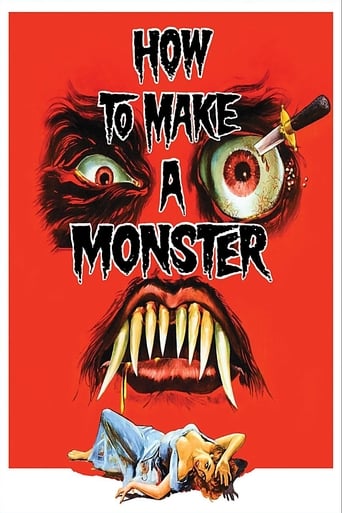
American film director, producer, and editor who specialized in low-budget science fiction and horror films during the 1950s and 1960s. He began his career in the film industry as an editor, working on numerous films before transitioning to directing. Strock gained recognition for his work with American International Pictures (AIP), where he directed several cult classic B-movies that have since become beloved by horror and sci-fi enthusiasts. His directorial style emphasized practical effects and atmospheric tension, often working with limited budgets to create memorable genre films. Throughout his career, Strock directed approximately 10 feature films, with 'How to Make a Monster' (1959) standing as his most celebrated work. After his directing career waned in the late 1960s, he continued working in television production and editing. His contributions to the horror and science fiction genres have earned him a lasting place in cult cinema history.
The Craft
Behind the Camera
Herbert L. Strock's directing style was characterized by efficient, low-budget filmmaking techniques that emphasized practical effects, atmospheric tension, and quick pacing. He had a knack for maximizing limited resources, often using creative camera angles and lighting to create suspenseful moods. His approach to horror and science fiction was straightforward and accessible, appealing to teenage audiences of the 1950s and 1960s. Strock favored practical monster effects over elaborate special effects, giving his films a distinctive B-movie aesthetic that has since become nostalgic. His direction typically featured clear, linear storytelling with an emphasis on visual horror elements rather than psychological complexity.
Milestones
- Directed 'How to Make a Monster' (1959)
- Directed 'I Was a Teenage Frankenstein' (1957)
- Worked extensively with American International Pictures
- Directed 'The Crawling Hand' (1963)
- Transitioned from editing to directing in the 1950s
Best Known For
Must-See Films
Accolades
Special Recognition
- Cult film recognition for his B-movie horror classics
- Posthumous appreciation from horror film enthusiasts and festivals
Working Relationships
Worked Often With
Studios
Why They Matter
Impact on Culture
Herbert L. Strock made a significant impact on American horror and science fiction cinema during the 1950s and 1960s, helping to define the aesthetic and approach of B-movie genre filmmaking. His work with American International Pictures contributed to the studio's success in targeting teenage audiences with drive-in friendly horror films. 'How to Make a Monster' became particularly influential for its meta-commentary on monster movie makeup and effects, prefiguring later self-referential horror films. Strock's efficient directing techniques demonstrated how compelling genre films could be produced with minimal resources, influencing generations of independent horror filmmakers. His films have been referenced and homaged in numerous later horror works, cementing his place in cult cinema history.
Lasting Legacy
Herbert L. Strock's legacy endures through his cult classic horror films that continue to be discovered by new generations of genre enthusiasts. His work represents a significant chapter in American horror cinema history, particularly the drive-in movie culture of the 1950s and 1960s. Film historians and critics now recognize Strock as an important figure in the development of low-budget horror filmmaking techniques. His movies are regularly featured at horror film festivals and retro cinema events, where they are appreciated for their charm and historical significance. The preservation and restoration of his films have ensured that his contributions to cinema remain accessible to scholars and fans alike.
Who They Inspired
Strock influenced subsequent generations of horror and science fiction directors through his demonstration of how to create effective genre films with limited resources. His efficient shooting techniques and creative problem-solving approaches have been studied by independent filmmakers working under similar constraints. The self-referential elements in 'How to Make a Monster' anticipated later trends in meta-horror cinema. His work helped establish templates for teen-oriented horror films that would be refined by directors like John Carpenter and Wes Craven in later decades. Modern horror filmmakers frequently cite Strock's films as examples of effective B-movie storytelling.
Off Screen
Herbert L. Strock maintained a relatively private personal life throughout his career in Hollywood. He was known as a dedicated filmmaker who worked tirelessly within the constraints of low-budget productions. Despite working in the often exploitative B-movie industry, Strock was respected by his colleagues for his professionalism and creative problem-solving skills. He lived in Los Angeles for most of his career, where he was active in the film community. In his later years, he occasionally appeared at horror film conventions and retrospectives, where fans appreciated his insights into the golden age of B-movie filmmaking.
Education
Attended Boston schools, later studied film production in Los Angeles (specific institutions not documented)
Family
- Virginia Strock (1942-2005, his death)
Did You Know?
- Started his career as a film editor before becoming a director
- Worked on over 20 films as an editor before directing his first feature
- 'How to Make a Monster' featured actual makeup artist Dick Smith in a cameo
- Many of his films were shot in less than two weeks
- His films often featured themes of science gone wrong
- Worked frequently with actor Gary Conway
- Several of his films have been featured on Mystery Science Theater 3000
- His horror films were often double-billed at drive-in theaters
- Known for completing films under budget and ahead of schedule
- His films have been referenced in various horror documentaries
In Their Own Words
In low-budget filmmaking, creativity is your biggest asset.
Every monster needs to have a heart, even if it's a mechanical one.
The best horror comes from what you can imagine, not just what you can see.
Frequently Asked Questions
Who was Herbert L. Strock?
Herbert L. Strock — credits here include How to Make a Monster (1959), I Was a Teenage Frankenstein (1957). Active 1948-1975.
What films is Herbert L. Strock best known for?
Titles linked here include How to Make a Monster (1959), I Was a Teenage Frankenstein (1957).
When was Herbert L. Strock born and when did he die?
Born January 13, 1918; died November 30, 2005.
What awards did Herbert L. Strock win?
While Herbert L. Strock did not receive major formal awards during his lifetime, he has gained posthumous recognition and appreciation from horror film enthusiasts, with his films being celebrated at cult film festivals and retrospectives.
What was Herbert L. Strock's directing style?
Strock's directing style emphasized efficient low-budget filmmaking, practical effects, atmospheric tension, and quick pacing. He was known for maximizing limited resources and creating accessible horror films that appealed to teenage audiences of the 1950s and 1960s.