
Pat O'Brien
Actor
Born: November 11, 1899 in Milwaukee, Wisconsin, USA Died: October 15, 1983 Active: 1923-1983 Birth Name: William Joseph Patrick O'Brien
Films
1 film
About Pat O'Brien
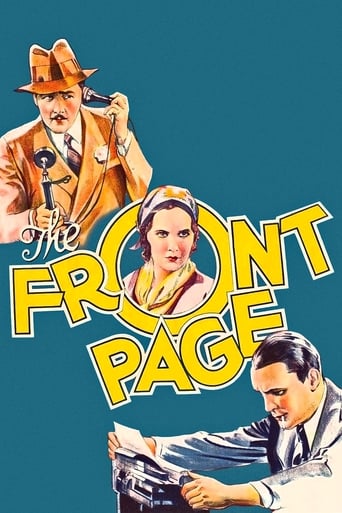
Prolific American actor: six decades, from the silent era through the Golden Age of Hollywood and into television. Born William Joseph Patrick O'Brien, he began his career on Broadway before transitioning to films in the late 1920s. He rose to prominence in the early 1930s with his breakthrough role in 'The Front Page' (1931), establishing himself as a Warner Bros. Contract player known for his fast-talking, energetic performances. O'Brien became typecast as the quintessential Irish-American character, often playing priests, coaches, police chiefs, and military officers with his distinctive rapid-fire delivery. He formed a notable partnership with James Cagney, appearing together in multiple films including 'Angels with Dirty Faces' (1938) and 'The Fighting 69th' (1940). His career flourished through the 1940s with roles in films like 'Knute Rockne All American' (1940) where he played the famous football coach. As the studio system declined, O'Brien successfully transitioned to television and character roles, maintaining his status as a beloved Hollywood figure until his death in 1983.
The Craft
On Screen
Pat O'Brien was renowned for his rapid-fire, machine-gun delivery of dialogue, which became his trademark throughout his career. He specialized in playing fast-talking, energetic characters with a distinct Irish-American persona, often bringing warmth and authority to his roles. His acting style was characterized by naturalistic delivery, emotional intensity, and the ability to switch seamlessly between comedy and drama. O'Brien had a distinctive voice that could convey both toughness and tenderness, making him particularly effective in roles as priests, coaches, and authority figures. His approach was grounded in his stage experience, emphasizing clear diction and projection that translated well to early sound films.
Milestones
- Breakthrough role in 'The Front Page' (1931)
- Signed contract with Warner Bros. In 1932
- Starred in 'Angels with Dirty Faces' (1938) with James Cagney
- Played Knute Rockne in 'Knute Rockne All American' (1940)
- Appeared in over 100 films throughout his career
- Successfully transitioned to television in the 1950s
- Received Hollywood Walk of Fame star in 1960
Best Known For
Iconic Roles
Must-See Films
Accolades
Special Recognition
- Hollywood Walk of Fame star (1960)
- Marquette University Athletic Hall of Fame (inducted 1974)
Working Relationships
Worked Often With
Studios
Why They Matter
Impact on Culture
Pat O'Brien significantly influenced Hollywood's portrayal of Irish-American characters, helping to establish the archetype of the fast-talking, street-smart Irishman in American cinema. His roles as priests helped humanize religious figures on screen during a time when such characters were often portrayed as stern or distant. O'Brien's work in sports films, particularly as Knute Rockne, helped popularize the sports biopic genre and cemented certain American cultural myths about sports and heroism. His distinctive speaking style influenced generations of actors who followed, particularly in how to deliver rapid dialogue with clarity and impact.
Lasting Legacy
Pat O'Brien left an enduring legacy as one of Hollywood's most reliable character actors, appearing in over 100 films across six decades. His ability to bring authenticity to authority figures and his distinctive fast-talking style made him an unforgettable presence in American cinema. O'Brien's portrayal of real-life figures like Knute Rockne helped establish the template for sports biopics that continues today. His career represents the journey of many actors who successfully navigated the transition from the studio system to independent work and television. Despite never receiving major acting awards, he remains beloved by film historians and classic movie enthusiasts for his consistent quality and memorable performances.
Who They Inspired
Pat O'Brien influenced numerous actors who followed in his footsteps, particularly those specializing in character roles requiring rapid dialogue delivery. His work with James Cagney helped establish the dynamic pairing format that would be emulated in countless buddy films. Actors like Spencer Tracy and later character actors such as Karl Malden and Martin Balsam drew inspiration from O'Brien's ability to bring depth and humanity to authority figures. His approach to playing priests influenced how religious characters would be portrayed in American cinema, moving toward more nuanced and relatable depictions.
Off Screen
Pat O'Brien married actress Eloise Taylor in 1931, and their marriage lasted 52 years until his death in 1983. He was known as a devoted family man and maintained strong friendships within Hollywood, particularly with James Cagney and Spencer Tracy. O'Brien — devout Catholic throughout his life, which influenced his acceptance of roles playing priests. He was also known for his charity work and support of various Catholic organizations. Despite his success, he remained humble and approachable, often described by colleagues as one of Hollywood's nicest stars.
Education
Marquette University (attended but did not graduate), American Academy of Dramatic Arts
Family
- Eloise Taylor (1931-1983)
Did You Know?
- He was a close friend of James Cagney for over 50 years, both on and off screen
- O'Brien appeared in more films with Cagney than any other actor
- He was an accomplished athlete and played semi-professional baseball
- His rapid-fire delivery was so distinctive that comedians often imitated him
- He turned down the role that eventually went to Clark Gable in 'It Happened One Night'
- O'Brien — devout Catholic and personally approved by church officials for his priest roles
- He served as a combat photographer in the U.S. Army Air Forces during World War II
- His distinctive voice earned him the nickname 'The Voice of God' in some circles
- He was one of the first actors to successfully transition from silent films to talkies
- O'Brien never won an Academy Award but received a special citation from the Screen Actors Guild
In Their Own Words
I've played more priests than any actor in history, and I've never been a priest. But I've always been a Catholic.
The secret to my long career? Show up on time, know your lines, and don't cause trouble.
Jimmy Cagney and I were like brothers. We could finish each other's sentences on screen.
In Hollywood, you're only as good as your last picture. I've been lucky to have a lot of good pictures.
Frequently Asked Questions
Who was Pat O'Brien?
Prolific American with credits in this catalog. His active years covered six decades from the 1920s through the 1980s, appearing in over 100 films and numerous television shows.
What films is Pat O'Brien best known for?
Titles linked here include The Front Page (1931), Angels with Dirty Faces (1938).
When was Pat O'Brien born and when did he die?
Born November 11, 1899; died October 15, 1983.
What awards did Pat O'Brien win?
While Pat O'Brien never won an Academy Award, he received a Hollywood Walk of Fame star in 1960 and was inducted into the Marquette University Athletic Hall of Fame in 1974. He received a special citation from the Screen Actors Guild for his contributions to film.
What was Pat O'Brien's acting style?
Pat O'Brien was famous for his rapid-fire, machine-gun delivery of dialogue and his portrayal of fast-talking Irish-American characters. He specialized in bringing warmth and authority to roles as priests, coaches, and military officers, with a distinctive voice that could convey both toughness and tenderness.
How many films did Pat O'Brien make with James Cagney?
Pat O'Brien made nine films with James Cagney, including 'The Public Enemy' (1931), 'Angels with Dirty Faces' (1938), and 'The Fighting 69th' (1940), establishing one of Hollywood's most memorable on-screen partnerships.
Did Pat O'Brien serve in the military?
Yes, Pat O'Brien served in the U.S. Army Air Forces during World War II, working as a combat photographer and entertaining troops, which earned him the American Campaign Medal and World War II Victory Medal.