
Zachary Scott
Actor
Born: February 21, 1914 in Austin, Texas, USA Died: October 16, 1965 Active: 1944-1964 Birth Name: Zachary Thompson Scott
Films
1 film
About Zachary Scott
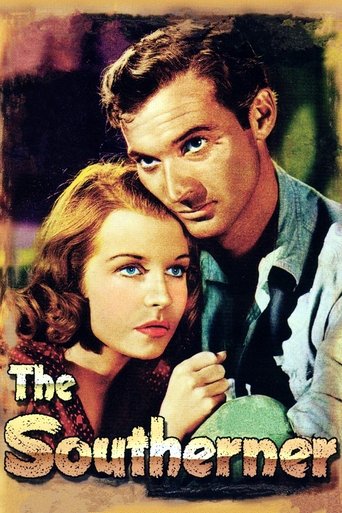
American actor renowned for his sophisticated portrayals of villains and smooth-talking charmers during Hollywood's Golden Age. Born in Texas, he began his career on the stage before being discovered by Warner Bros. Talent scouts, leading to his film debut. His breakthrough performance came in Jean Renoir's acclaimed drama 'The Southerner' (1945), which established him as a serious dramatic actor capable of complex characterizations. Throughout the 1940s and 1950s, Scott became typecast as the elegant antagonist in numerous film noir productions and melodramas, often playing wealthy, educated men with dark undercurrents. His distinctive voice, commanding presence, and ability to convey menace with subtle gestures made him a memorable presence in over 50 films. As the studio system declined, Scott transitioned successfully to television, appearing in numerous anthology series and dramatic programs. His career was tragically cut short when he died of a brain tumor at age 51, leaving behind a legacy of compelling performances that exemplified the sophisticated villain archetype of mid-century American cinema.
The Craft
On Screen
Scott specialized in playing sophisticated, educated villains and charming antagonists with an underlying menace. His acting technique combined smooth, controlled delivery with subtle physical gestures that suggested danger beneath polished exteriors. He had a distinctive, resonant voice that he used to create an aura of authority and intelligence, often portraying characters who were morally ambiguous or outright corrupt. Scott's approach was understated yet intense, relying on psychological nuance rather than overt theatrics. He excelled at creating characters who were simultaneously attractive and threatening, making him particularly effective in film noir where moral ambiguity was central to the genre.
Milestones
- Film debut in 'The Southerner' (1945)
- Breakthrough role in 'Mildred Pierce' (1945)
- Leading man status at Warner Bros. In late 1940s
- Transition to television in the 1950s
- Stage career including Broadway productions
- Final film appearance in 'The Young One' (1960)
Best Known For
Iconic Roles
Must-See Films
Accolades
Won
- Theatre World Award for Outstanding Debut (1944)
Nominated
- Academy Award nomination for Best Actor (shared cast) for 'The Southerner' (1945)
- Golden Globe nomination for Best Actor for 'The Southerner' (1945)
Special Recognition
- Hollywood Walk of Fame Star (located at 1600 Vine Street)
- Texas Film Hall of Fame Inductee (2003, posthumous)
Working Relationships
Worked Often With
Studios
Why They Matter
Impact on Culture
Zachary Scott helped define the archetype of the sophisticated villain in 1940s American cinema, particularly in film noir and melodrama. His performances contributed to the evolution of the antagonist from one-dimensional evil to complex, psychologically nuanced characters. Scott's portrayal of educated, cultured antagonists challenged the simplistic morality of earlier Hollywood films and reflected the growing sophistication of post-war American audiences. His work in 'The Southerner' demonstrated that actors from regional backgrounds could successfully transition to mainstream Hollywood stardom. Scott's career trajectory also exemplified the challenges typecast actors faced in maintaining relevance as cinematic tastes evolved. His later television work helped bridge the gap between classic Hollywood and the emerging medium of television drama.
Lasting Legacy
Zachary Scott remains remembered as one of Hollywood's most elegant villains, whose performances embodied the complexity and moral ambiguity of post-war American cinema. His work in films like 'Mildred Pierce' and 'The Southerner' continues to be studied by film scholars as examples of sophisticated character acting in the studio era. Scott's ability to create memorable antagonists with depth and nuance influenced subsequent generations of character actors specializing in villain roles. His induction into the Texas Film Hall of Fame recognizes his contributions to cinema and his status as one of Texas's most successful actors in Hollywood's Golden Age. Film enthusiasts and historians continue to appreciate his distinctive screen presence and the psychological complexity he brought to his roles, ensuring his place in the pantheon of classic Hollywood character actors.
Who They Inspired
Scott's refined approach to villainy influenced subsequent character actors who sought to bring depth and sophistication to antagonist roles. His technique of combining charm with underlying menace became a template for playing complex villains in both film and television. Actors who followed in his footsteps often emulated his ability to make antagonists compelling and psychologically interesting rather than simply evil. Scott's success demonstrated that character actors could achieve leading man status through distinctive persona and craft, inspiring many supporting players to develop their own unique screen identities. His transition from film to television also provided a model for other classic Hollywood actors seeking to extend their careers in the new medium.
Off Screen
Zachary Scott was married twice and had three children. His first marriage to Elaine Anderson ended in divorce after producing two daughters. He later married actress Ruth Ford, with whom he remained until his death. Scott struggled with alcoholism during his career but reportedly overcame it in his later years. He maintained strong ties to his Texas roots throughout his life and often returned to Austin. His final years were marked by declining health due to a brain tumor, which ultimately claimed his life at age 51. Despite his Hollywood success, he was known as a private person who preferred a quiet life away from the glitz of show business.
Education
University of Texas at Austin (studied drama), University of Southern California (briefly attended)
Family
- Elaine Anderson (1936-1950)
- Ruth Ford (1950-1965)
Did You Know?
- His father was a prominent Texas physician and his mother came from a Austin family
- He was discovered while performing in a stage production in California
- Scott — direct descendant of Texas revolutionary hero Stephen F. Austin
- He served in the Army Air Corps during World War II before his acting career
- Despite playing villains on screen, he was known as a kind and generous person in real life
- He was an accomplished horseman and owned a ranch in California
- Scott was fluent in French, which helped him work with director Jean Renoir
- His distinctive voice made him popular on radio dramas in addition to film
- He was originally considered for the role of Ashley Wilkes in 'Gone with the Wind' (1939)
- His final years were spent writing an autobiography that was never published
In Their Own Words
Playing the villain is always more interesting than the hero. The villain has more freedom to be complex and unpredictable.
I've never understood why audiences love to hate me so much. Maybe because I remind them of people they know in real life.
The camera doesn't lie, but it can be fooled. The secret is to make it believe what you want it to see.
Being typecast isn't always a curse. Sometimes it means you've found something you do better than anyone else.
Frequently Asked Questions
Who was Zachary Scott?
American He was particularly active from the mid-1940s through the 1950s, often playing charming but dangerous characters in films like 'Mildred Pierce' and 'The Southerner'.
What films is Zachary Scott best known for?
Titles linked here include The Southerner (1945), Mildred Pierce (1945).
When was Zachary Scott born and when did he die?
Born February 21, 1914; died October 16, 1965.
What awards did Zachary Scott win?
Scott received a Theatre World Award for Outstanding Debut in 1944 and was nominated for an Academy Award as part of the ensemble cast of 'The Southerner'. He also received a Golden Globe nomination for his performance in that film and has a star on the Hollywood Walk of Fame.
What was Zachary Scott's acting style?
Scott specialized in playing sophisticated, educated villains with an underlying menace. His style combined smooth, controlled delivery with subtle physical gestures, using his distinctive voice to create an aura of authority and intelligence. He excelled at making antagonists both attractive and threatening, particularly effective in film noir.
Did Zachary Scott work in television?
Yes, as the studio system declined in the late 1950s, Scott successfully transitioned to television, appearing in numerous anthology series and dramatic programs including 'Alfred Hitchcock Presents', 'The Twilight Zone', and 'Perry Mason'.
Was Zachary Scott married?
Yes, Scott was married twice. His first marriage was to Elaine Anderson from 1936 to 1950, with whom he had two daughters. He later married actress Ruth Ford in 1950 and remained with her until his death in 1965.