Films
1 film
About Marfa Kassatskaya
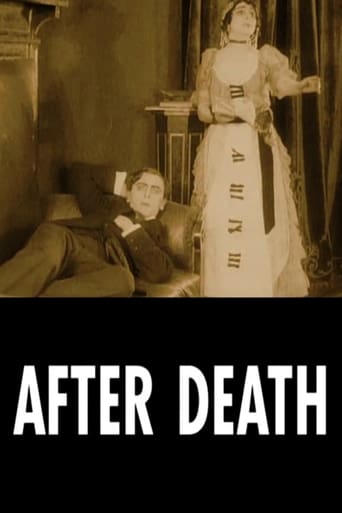
The 1915 film After Death is the only title linked here for Marfa Kassatskaya. Primarily known for her role in the 1915 film 'After Death' (Posle smerti). Her career was exceptionally brief, spanning only the year 1915, which was not uncommon for many early Russian film actors whose careers were cut short by the political upheavals that would soon transform Russia. She worked with director Yevgeni Bauer, figures in early Russian cinema, during what is now considered the golden age of Russian silent film before the Bolshevik Revolution. Kassatskaya's performance in 'After Death' showcased the emotional intensity and dramatic style characteristic of Russian silent cinema of that era. Like many actors of this period, she likely came from a theatrical background, as was common for early film performers. Her brief filmography represents a snapshot of the sophisticated artistic achievements of pre-revolutionary Russian cinema, which would soon be dramatically altered by historical events.
The Craft
On Screen
Kassatskaya's acting style reflected the dramatic, emotionally intense approach typical of Russian silent cinema in the 1910s, characterized by expressive gestures and theatrical influences that were transitioning from stage to screen performance techniques.
Milestones
- Starred in 'After Death' (1915) directed by Yevgeni Bauer
- Participated in the golden age of pre-revolutionary Russian cinema
- Worked during a pivotal period in Russian film history
Best Known For
Iconic Roles
Must-See Films
Working Relationships
Worked Often With
Studios
Why They Matter
Impact on Culture
Marfa Kassatskaya, though having an extremely brief career, represents the talented pool of actors who contributed to the sophisticated artistic achievements of pre-revolutionary Russian cinema. Her work in 'After Death' during 1915 places her within the context of what film historians now recognize as a remarkably creative period in Russian film history, where directors like Yevgeni Bauer were pushing the boundaries of cinematic language and psychological storytelling. The fact that her film work survives at all is significant, given that many Russian films from this era were lost during the revolutionary period and subsequent decades.
Lasting Legacy
Marfa Kassatskaya's legacy is preserved primarily through her appearance in 'After Death,' a film that has survived as an important example of early Russian cinematic art. While her career was brief, her contribution to this significant film ensures her place in the history of Russian cinema as one of the performers who helped establish the dramatic and psychological depth that would become characteristic of Russian filmmaking. Her work shows the quality of acting that existed in Russian cinema even in its earliest decades.
Who They Inspired
Due to the brevity of her career and the limited documentation of her work, Kassatskaya's direct influence on subsequent generations of actors is difficult to trace. However, her participation in films by directors like Yevgeni Bauer contributed to the establishment of acting traditions that would influence Russian cinema for decades to come.
Off Screen
Very little is documented about Marfa Kassatskaya's personal life, which is typical for many early Russian film actors whose records were lost or destroyed during the political upheavals of the early 20th century.
Did You Know?
- Appeared in only one known film during her entire career
- Worked during what is now considered the golden age of Russian silent film
- Her film 'After Death' was directed by Yevgeni Bauer, one of early Russian cinema's most important directors
- The film she appeared in was based on a story by Ivan Turgenev
- Her career coincided with the final years of the Russian Empire
- Like many early Russian films, 'After Death' is considered a significant work of pre-revolutionary cinema
- The film explores themes of life after death, reflecting the symbolist influences in Russian art of the period
Frequently Asked Questions
Who was Marfa Kassatskaya?
Russian silent film actress active in 1915, best known for her role in the film 'After Death' directed by Yevgeni Bauer. Her career was extremely brief, spanning only one year, but she participated in what is now recognized as a golden age of pre-revolutionary Russian cinema.
What films is Marfa Kassatskaya best known for?
Titles linked here include After Death (1915).
When was Marfa Kassatskaya born and when did she die?
Unfortunately, specific birth and death dates for Marfa Kassatskaya are not documented in available historical records, which is common for many early Russian film actors whose information was lost during the political upheavals of the early 20th century.
What awards did Marfa Kassatskaya win?
No awards or nominations for Marfa Kassatskaya are documented, which is typical for actors working in Russian cinema during 1915, as formal award systems for film had not yet been established in Russia at that time.
What was Marfa Kassatskaya's acting style?
Kassatskaya's acting style reflected the dramatic and emotionally intense approach characteristic of Russian silent cinema in the 1910s. Like many actors of this period transitioning from theater to film, her performance likely featured expressive gestures and theatrical techniques adapted for the silent medium.
Why is Marfa Kassatskaya significant in film history?
Despite her brief career, Marfa Kassatskaya is significant as a representative of the talented actors who contributed to pre-revolutionary Russian cinema's artistic achievements. Her work in 'After Death' preserves a piece of this important but often overlooked period in film history.