John G. Capstaff
Director
Born: 1879 in New York, United States Died: 1960 Active: 1910s-1940s
Films
1 film
About John G. Capstaff
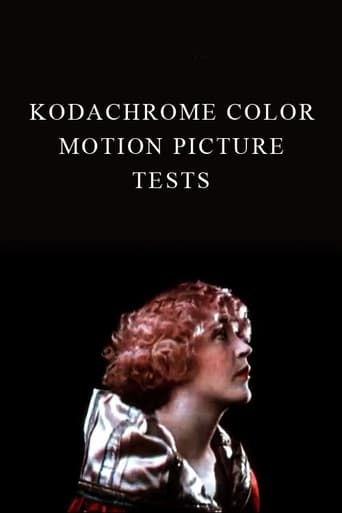
American scientist and inventor at Eastman Kodak Company who in the development of early color photography and cinematography. Born in 1879, Capstaff dedicated his career to advancing photographic technology, particularly in the challenging field of color reproduction. He was instrumental in developing the Kodachrome two-color process, which represented one of the earliest successful attempts at creating practical color motion pictures. His 1922 work 'Kodachrome Two-Color Test Shots No. III' was not a narrative film but rather a technical demonstration showcasing the capabilities of this color process. Capstaff's innovations at Kodak helped lay the foundation for modern color cinematography, though he remained primarily a technical innovator rather than a commercial filmmaker. Throughout his career, he continued to refine color processes and contributed significantly to the evolution of photographic technology. His work bridged the gap between experimental color photography and the commercial color film systems that would later dominate Hollywood.
The Craft
Behind the Camera
Technical demonstration style focused on showcasing color capabilities rather than narrative filmmaking
Milestones
- Development of Kodachrome two-color process
- Creation of early color motion picture tests
- work in additive color photography
- Technical innovations at Eastman Kodak
- Contributions to early color cinematography
Best Known For
Iconic Roles
Must-See Films
Accolades
Special Recognition
- Recognized as a pioneer in color photography technology
- Contributions to early cinematography preserved in film history archives
Working Relationships
Worked Often With
Studios
Why They Matter
Impact on Culture
John G. Capstaff's work had a profound cultural impact by helping to introduce color to motion pictures, fundamentally changing how audiences experienced cinema. His development of the Kodachrome two-color process represented a crucial step in the evolution from black and white to color filmmaking. The test films he created, while not commercial entertainment, demonstrated the artistic and technical possibilities of color cinematography, inspiring filmmakers and technicians to pursue more advanced color systems. His innovations contributed to the gradual acceptance and eventual dominance of color in Hollywood and international cinema, transforming visual storytelling and expanding the creative palette of filmmakers worldwide.
Lasting Legacy
Capstaff's lasting legacy lies in his technical contributions to the development of color photography and cinematography. His work on the Kodachrome process helped establish the foundation for modern color film technology. The test films he created are now considered historically significant artifacts that document the early days of color cinema. While not a household name like Hollywood directors, Capstaff's innovations directly influenced the development of subsequent color processes that would revolutionize the film industry. His contributions are recognized by film historians and preservationists as crucial steps in the evolution of motion picture technology.
Who They Inspired
Capstaff influenced the technical development of color cinema by demonstrating practical applications of color processes in motion pictures. His work inspired other researchers and companies to invest in color film technology, accelerating the transition from black and white to color cinematography. The techniques and principles he helped develop influenced later color processes, including the more advanced three-strip Technicolor and modern color film systems. His approach to technical problem-solving in color reproduction served as a model for subsequent generations of photographic scientists and engineers.
Off Screen
Dedicated scientist and inventor who spent his professional career at Eastman Kodak Company. His life was primarily focused on technical innovation and research in photographic processes. While details about his personal life are limited, his professional legacy demonstrates a commitment to advancing the field of photography and cinematography through scientific innovation.
Education
Educated in scientific and technical fields, though specific educational institutions are not widely documented in historical records
Did You Know?
- His 1922 test film is one of the earliest surviving examples of color motion picture technology
- Kodachrome was named after Kodak and the Greek word for color 'chroma'
- The two-color process could only reproduce certain colors accurately, leading to distinctive color palettes in early color films
- Capstaff's work predated the more famous three-strip Technicolor process by several years
- His test films were primarily technical demonstrations rather than entertainment
- The Kodachrome process he helped develop was different from the later Kodachrome film introduced in 1935
- Early color films like his required special projection equipment
- His innovations were part of Kodak's broader investment in color photography research
- The test shots often featured everyday scenes to demonstrate color reproduction capabilities
- His work contributed to Kodak's dominance in photographic and cinematographic supplies
Frequently Asked Questions
Who was John G. Capstaff?
American scientist and inventor at Eastman Kodak Company who pioneered early color photography and cinematography processes in the 1920s, best known for developing the Kodachrome two-color system.
What is Kodachrome Two-Color Test Shots No. III (1922)?
This was an experimental film created by Capstaff to demonstrate the capabilities of Kodak's early two-color Kodachrome process, representing one of the first successful attempts at color motion picture technology.
When was John G. Capstaff born and when did he die?
Born 1879; died 1960.
How did Capstaff influence modern cinema?
Capstaff's technical innovations in color processes helped lay the groundwork for the transition from black and white to color cinema, influencing subsequent color technologies that would eventually dominate filmmaking.
Was Capstaff a traditional Hollywood director?
No, Capstaff was not a traditional Hollywood director but rather a technical innovator and scientist who created test films to demonstrate new color photography technologies rather than commercial entertainment.
What was the significance of Capstaff's two-color process?
The two-color process was significant as one of the first practical methods for creating color motion pictures, though limited in color reproduction, it proved that color cinematography was technically feasible and commercially viable.