
Kodachrome Two-Color Test Shots No. III
"Green-blue faces of stars"
Keys: Space play/pause · ←/→ 10s · F fullscreen · M mute · </> speed
About this film
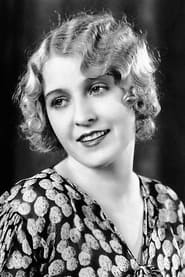
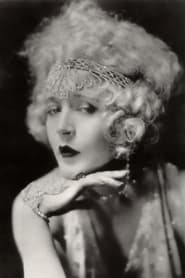
Kodak two-color test reel at Fort Lee features Mae Murray, Hope Hampton, and Mary Eaton posing. This two-color (green-blue and red) film was produced as a demonstration reel at the Paragon Studios in Fort Lee, New Jersey, under the direction of Kodak scientist John Capstaff. It features leading actresses, including Mae Murray, Hope Hampton, and Mary Eaton, posing and miming.
Cast & crew
More films like this
More Documentary films
View all →
More about this film
About the production
Release date1922
Box officeNot commercially released - was a technical demonstration
ProductionKodak Research Laboratories, Paragon Studios
Filmed inParagon Studios, Fort Lee, New Jersey
This was the third in a series of test films created to demonstrate Kodak's two-color Kodachrome process. The production required specially modified cameras and precise lighting conditions. The actresses were filmed against both neutral and colored backgrounds to test the color separation process. Each scene was carefully choreographed to minimize motion blur and ensure optimal color registration. The film was processed using a complex dye-transfer method that involved exposing two separate negatives simultaneously through different color filters.
Themes
Technological innovationBeauty and fashionArtistic expressionScientific demonstrationFilm industry advancement
Themes & topics
color filmdemonstrationsilent erafashiontechnologyexperimentalKodaktest footageactressesportrait
Historical background
1922 placed Kodachrome Two-Color Test Shots No. III within United States cinema as Kodak Research Laboratories navigated wartime markets, immigration audiences, and the shift from intertitles to sound.
Why this film matters
Archivists revisit Kodachrome Two-Color Test Shots No. III (1922) for John G. Capstaff style, genre norms at Kodak Research Laboratories, and the exhibition context of Approximately 6-8 minutes programming.
Making of
The production of this demonstration reel required extensive coordination between Kodak's research team and the film industry professionals at Paragon Studios. John G. Capstaff, who led the project, had to modify existing cameras to accommodate the dual-filter system required for the two-color process. The actresses were brought in specifically because their fame would lend credibility to the demonstration, and their complexions were considered ideal for testing the color reproduction. The filming sessions were lengthy and meticulous, with each pose requiring multiple takes to achieve the perfect color balance. The lighting setup was crucial—too much light would wash out the colors, while too little would result in muddy reproduction. The production team worked closely with costume designers to select fabrics and colors that would showcase the process's capabilities while avoiding colors that the two-color system couldn't reproduce accurately.
What critics said
Retrospective writing on Kodachrome Two-Color Test Shots No. III stresses craft by John G. Capstaff, print survival, and repertory value rather than opening-week gross alone.
Did you know?
- This was one of the earliest successful demonstrations of the two-color Kodachrome process, which would later evolve into the famous three-color Kodachrome film introduced in 1935
- John G. Capstaff was a Kodak scientist who received multiple patents for color photography processes
- The film was never intended for commercial theatrical release but was shown to industry professionals and potential investors
- Mae Murray, one of the featured actresses, was known as 'The Girl with the Bee-Stung Lips' and was one of the highest-paid stars of the 1920s
- Paragon Studios in Fort Lee, New Jersey, was a major film production center before the industry moved to Hollywood
- The two-color process could only reproduce certain colors accurately, which is why the costumes were specifically chosen to highlight the process's strengths
- The film survives today as a crucial document of early color cinematography and is preserved in several film archives
- Hope Hampton was not only an actress but also a singer who had performed with the Metropolitan Opera before entering films
- Mary Eaton was a Broadway star who made the transition to films during this period
- The success of these test shots helped convince Hollywood studios to invest in color technology, though full adoption would take another decade
Visual style
The cinematography in this demonstration reel was revolutionary for its time, utilizing a specialized dual-filter system that split light into green-blue and red components. The camera setup involved two film strips running simultaneously, each exposed through a different color filter. This required precise alignment and registration to ensure the colors would combine properly in the final print. The lighting was carefully controlled to balance the two color channels, with particular attention paid to achieving natural skin tones. The camera work was deliberately static to avoid color fringing and registration errors, with most shots consisting of carefully composed poses. Close-ups were used extensively to showcase the process's ability to capture facial details and expressions in natural color.
Innovations
The primary technical achievement of this film was the successful implementation of the two-color Kodachrome process, which used a subtractive color method rather than the additive processes used in earlier color systems. The process involved exposing two negatives simultaneously through different color filters, then using a complex dye-transfer process to create the final color print. This system offered better color saturation and stability than previous methods. The film also demonstrated advances in color balance and skin tone reproduction that had been problematic in earlier color processes. The successful integration of this technology with standard motion picture cameras and film stock was a significant breakthrough that made color cinematography more practical for commercial use.
Music
This was a silent film produced before the advent of synchronized sound in motion pictures. Any musical accompaniment would have been provided live during screenings, typically by a pianist or small orchestra. The music would have been selected to complement the elegant, sophisticated nature of the presentation, likely drawing from popular classical pieces of the era. No original score was composed specifically for this demonstration reel.
Famous quotes
This is not a film for entertainment, but a demonstration of what the future of cinema may hold - John G. Capstaff
Memorable scenes
- The sequence featuring Mae Murray in a flowing red gown that dramatically demonstrates the process's ability to capture rich reds and delicate skin tones simultaneously, creating a striking contrast that would have been impossible in black and white.
What audiences thought
As this was a technical demonstration rather than a commercial release, it was not seen by general audiences. However, industry professionals who viewed the test screenings were reportedly impressed by the color quality. The positive reception among filmmakers and studio executives helped generate interest in color technology, though the Great Depression would delay widespread adoption. Modern audiences who have seen the restored footage in film festivals or archives are often struck by the vividness of the colors and the opportunity to see silent era stars in color, which provides a different perspective on their performances and screen presence.
Film connections
Influenced by
- Earlier additive color processes like Kinemacolor
- Scientific color photography experiments
- Theatrical color lighting techniques
- Portrait photography traditions
This film influenced
- Later two-color Technicolor films
- The development of three-color Kodachrome
- Early Hollywood color features
- Modern color test footage
Film restoration
The film is preserved in several major archives including the George Eastman Museum, the Library of Congress, and the Museum of Modern Art's film collection. Portions have been restored and digitized, though some elements show signs of deterioration typical of early color film stocks. The preservation efforts have been complicated by the specialized nature of the two-color process and the chemical instability of early color dyes. However, significant portions survive in viewable condition and have been included in various retrospectives on color film history.
Where to watch
- George Eastman Museum archives (by appointment)
- Museum of Modern Art film collection screenings
- Library of Congress digital archives
- Selected film festival retrospectives on early color cinema
- Academic film studies collections