
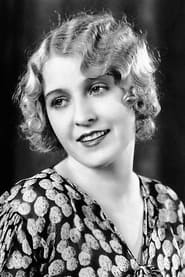
Mary Eaton
Actor
Born: February 1, 1901 in Norfolk, Virginia, USA Died: October 10, 1948 Active: 1918-1930
Films
4 films
About Mary Eaton
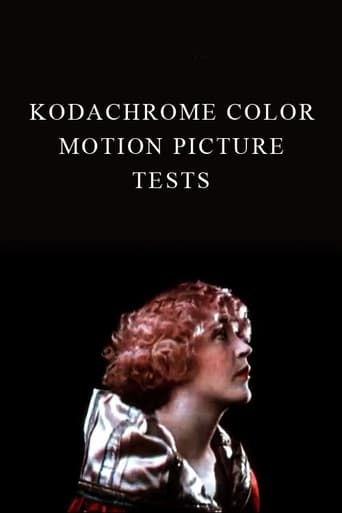
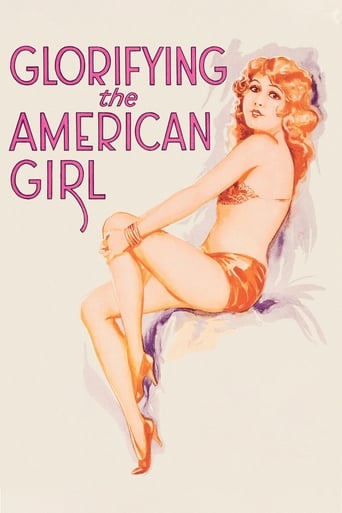
Celebrated American performer who rose to fame during the transition from silent films to early talkies in the 1920s. Beginning her career as a dancer and Broadway performer, she became a prominent Ziegfeld Follies star, captivating audiences with her graceful movements and stage presence. Her breakthrough came when she joined the famed Ziegfeld Follies, where she performed alongside other entertainers of the era. Eaton successfully transitioned to film, appearing in several notable productions including the Marx Brothers' first feature film 'The Cocoanuts' (1929) and the lavish musical 'Glorifying the American Girl' (1929). She also participated in early color film experiments, appearing in the Kodachrome Two-Color Test Shots No. III in 1922, demonstrating her versatility and willingness to embrace new cinematic technologies. Despite her promising career during this pivotal period in film history, Eaton's time in the spotlight was relatively brief, as she retired from performing in the early 1930s. Her legacy remains as a representative of the talented performers who bridged the gap between vaudeville, Broadway, and early Hollywood cinema.
The Craft
On Screen
Eaton was known for her graceful, elegant performing style that combined classical dance training with the exuberant energy required for musical theater and early film musicals. Her screen presence was characterized by a natural charm and sophistication that translated well from the Broadway stage to the silver screen. As a performer during the transition to sound, she adapted her style to accommodate both silent film pantomime and early musical dialogue delivery.
Milestones
- Starred in Ziegfeld Follies of 1919 and 1920
- Appeared in Marx Brothers' first feature film 'The Cocoanuts'
- Participated in early color film experiments with Kodachrome
- Performed in Broadway productions including 'The Little Whopper'
- Featured in the lavish musical 'Glorifying the American Girl'
Best Known For
Iconic Roles
Must-See Films
Accolades
Special Recognition
- Pioneer in early color film technology
- Notable Ziegfeld Follies performer
Working Relationships
Worked Often With
Studios
Why They Matter
Impact on Culture
Mary Eaton represents an important transitional figure in American entertainment history, bridging the gap between Broadway's golden age and Hollywood's emergence as the entertainment capital. Her participation in early color film experiments places her among the pioneers who helped develop cinematic technology that would become standard decades later. As a Ziegfeld Follies star, she contributed to. Her work in 'The Cocoanuts' made her part of cinema history as one of the performers in the Marx Brothers' feature film debut, a movie that helped establish the comedy team's enduring legacy.
Lasting Legacy
Though her career was relatively brief, Mary Eaton's legacy endures through her contributions to early American musical cinema and her role in the development of color film technology. She represents the many talented performers of the 1920s who helped shape the transition from stage to screen entertainment. Her performances, preserved in films like 'The Cocoanuts' and 'Glorifying the American Girl,' continue to be studied by film historians and enthusiasts interested in the evolution of American musical cinema. Eaton's story also serves as a reminder of the fleeting nature of fame in early Hollywood and the challenges faced by performers during this transformative period in entertainment history.
Who They Inspired
Eaton influenced subsequent generations of musical performers by demonstrating how stage skills could be successfully adapted to the new medium of film. Her work in early color experiments paved the way for future developments in cinematic technology. As part of the Ziegfeld Follies, she contributed to establishing standards of performance and presentation that would influence Broadway and Hollywood musicals for decades. Her ability to transition between different entertainment mediums served as a model for future performers seeking to build multi-platform careers.
Off Screen
Mary Eaton was born into a family of performers, with her sisters Doris and Pearl also becoming successful entertainers. She married Millard Webb, a film director, in 1929, though the marriage ended in divorce. Eaton struggled with personal challenges later in life, including financial difficulties and health problems. She spent her final years in relative obscurity, passing away at the age of 47 in 1948. Her life reflected both the glamour and the challenges faced by performers during Hollywood's early years.
Education
Trained in dance and performance from childhood, likely through family instruction and professional experience rather than formal education
Family
- Millard Webb (1929-1931)
Did You Know?
- Was one of the famous Eaton sisters, who also performed
- Appeared in early Kodachrome color tests, making her one of the first performers captured in color film
- Her sister Doris Eaton Travis lived to be 106, becoming one of the last surviving Ziegfeld Follies girls
- Was part of the original cast of 'The Cocoanuts,' the Marx Brothers' first feature film
- Performed in both silent films and early talkies, successfully navigating the transition to sound
- Her Broadway career began as a teenager in the show 'The Little Whopper'
- Was known for her elegant dance style and sophisticated stage presence
- Retired from performing relatively early, leaving the entertainment industry in the early 1930s
- Her films are now studied as important examples of early musical cinema
- Participated in experimental film technology that wouldn't become standard for decades
In Their Own Words
The stage is my home, but the camera is my adventure
Being a Ziegfeld girl means you carry a piece of Broadway history with you always
Dancing for the camera is different from dancing for an audience - you must speak with your entire body
Frequently Asked Questions
Who was Mary Eaton?
American actress, dancer, and singer who rose to fame in the 1920s as a Ziegfeld Follies performer and early film star. She appeared in several notable films including the Marx Brothers' first feature 'The Cocoanuts' and participated in early color film experiments. Her active years covered the crucial transition period from silent films to talkies.
What films is Mary Eaton best known for?
Titles linked here include The Cocoanuts (1929), Glorifying the American Girl (1929).
When was Mary Eaton born and when did she die?
Born February 1, 1901; died October 10, 1948.
What awards did Mary Eaton win?
While Mary Eaton did not receive major formal awards during her career, she achieved significant recognition as a featured performer in the prestigious Ziegfeld Follies and as a pioneer in early color film technology. Her contributions to American musical theater and cinema have been recognized by film historians as culturally significant.
What was Mary Eaton's acting style?
Mary Eaton's performing style was characterized by elegance, grace, and sophistication, combining classical dance training with the energetic requirements of musical theater. She successfully adapted her stage presence for both silent film pantomime and early sound musicals, demonstrating remarkable versatility during the transition to talkies.
Was Mary Eaton related to other performers?
Yes, Mary Eaton was one of the famous Eaton sisters, all of whom became successful performers. Her sisters Doris, Pearl, and Josephine also worked in show business, with Doris becoming particularly well-known as one of the longest-living Ziegfeld Follies performers, living to age 106.
What happened to Mary Eaton's career after the 1920s?
Mary Eaton's career declined in the early 1930s, and she retired from performing relatively early. Like many performers of her era, she faced challenges adapting to changing entertainment industry demands and personal difficulties. She spent her later years away from the spotlight before her death in 1948.