Mae Murray
Actor
Born: May 10, 1885 in New York City, New York, USA Died: March 23, 1965 Active: 1916-1931 Birth Name: Marie Adrienne Koenig
Films
7 films
About Mae Murray
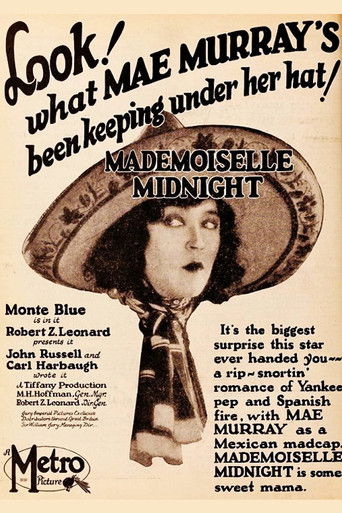
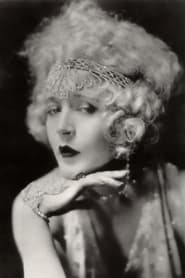
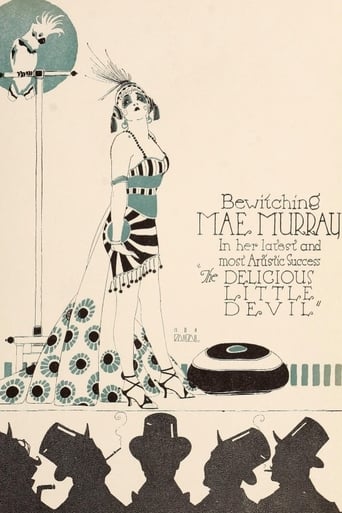
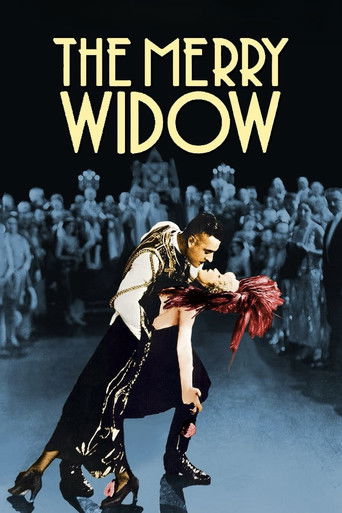
Mae Murray was glamorous and stars of the silent era, renowned for her distinctive beauty, theatrical acting style, and the famous 'bee-stung lips' that became her trademark. Born Marie Adrienne Koenig in New York City, she began her career as a dancer with the Ziegfeld Follies on Broadway before transitioning to films in 1916. Murray quickly rose to stardom at Metro Pictures (later MGM), becoming one of the highest-paid actresses of the 1920s and earning the nickname 'The Gardenia of the Screen' for her exotic beauty. Her career peaked with her starring role in 'The Merry Widow' (1925), directed by her then-husband Robert Z. Leonard, which showcased her dancing talents and magnetic screen presence. With the advent of sound films, Murray's career declined dramatically due to her resistance to the new medium, increasingly difficult behavior on set, and a highly publicized divorce. She made a few unsuccessful talkies before essentially disappearing from Hollywood, spending her final decades in poverty and relative obscurity, occasionally emerging with bizarre claims about her past glory before her death in 1965.
The Craft
On Screen
Mae Murray was known for her highly theatrical and exaggerated acting style, which was perfectly suited to the silent era. Her performances were characterized by dramatic gestures, intense facial expressions, and a distinctive physical presence that made her stand out among her contemporaries. Murray leveraged her dance background to create fluid, graceful movements on screen, often incorporating dance sequences into her films. Her signature pout and expressive eyes became her most recognizable features, allowing her to convey complex emotions without dialogue. Critics often described her style as flamboyant and mannered, but audiences loved her glamorous, larger-than-life persona that embodied the excess and extravagance of the 1920s.
Milestones
- Broadway dancing career with the Ziegfeld Follies (1908-1915)
- Film debut in 'To Have and to Hold' (1916)
- Became one of MGM's biggest stars in the early 1920s
- Starring role in 'The Merry Widow' (1925)
- Marriage to director Robert Z. Leonard
- Became one of the highest-paid actresses of the 1920s
- Star on Hollywood Walk of Fame
Best Known For
Iconic Roles
Must-See Films
Accolades
Won
- Star on Hollywood Walk of Fame (1960)
Special Recognition
- Hollywood Walk of Fame Star (located at 6318 Hollywood Boulevard)
- Featured in TCM's 'Forbidden Hollywood' documentary series
- Subject of biographical book 'The Girl with the Bee-Stung Lips: Mae Murray, Icon of the Jazz Age' by Michael G. Ankerich
Working Relationships
Worked Often With
Studios
Why They Matter
Impact on Culture
Mae Murray represented the epitome of 1920s glamour and excess, embodying the Jazz Age's fascination with beauty, luxury, and theatricality. Her distinctive look, particularly her bee-stung lips and heavily kohled eyes, influenced beauty standards and fashion trends of the era, inspiring countless imitators among both actresses and the general public. Murray's transition from Broadway dancer to film star exemplified the changing entertainment landscape of the 1910s and 1920s, as many stage performers found new fame in Hollywood. Her dramatic fall from grace with the advent of sound films became a cautionary tale about the fleeting nature of stardom and the harsh realities of Hollywood's star system. Murray's life story has been referenced in numerous books and documentaries about silent cinema, serving as a symbol of both the glamour and the tragedy of early Hollywood.
Lasting Legacy
Mae Murray's legacy endures as. Her performance in 'The Merry Widow' remains a classic example of silent cinema at its most lavish and entertaining, showcasing her unique talents as both actress and dancer. Film historians and silent cinema enthusiasts continue to celebrate her contributions to early Hollywood, with her films occasionally screened at classic film festivals and revival houses. Murray's dramatic life story has inspired biographers and filmmakers interested in the dark side of Hollywood's golden age, serving as a reminder of the industry's often brutal treatment of its stars. Her influence can be seen in the work of later actresses who adopted similar glamorous personas and distinctive beauty marks, including Clara Bow and Joan Crawford. While many of her films have been lost, those that survive continue to captivate audiences with their visual splendor and Murray's magnetic screen presence.
Who They Inspired
Mae Murray influenced a generation of actresses who followed her, particularly in terms of screen persona and beauty standards. Her distinctive look and theatrical acting style paved the way for other glamorous stars of the 1920s, including Clara Bow, who became known as the 'It Girl' partly due to her own distinctive facial features and expressive acting. Murray's success as a dancer-turned-actress inspired many Broadway performers to transition to film, helping to bridge the gap between New York and Hollywood entertainment industries. Her work in costume dramas and romantic films helped establish templates for the genre that would be followed by stars like Greta Garbo and Marlene Dietrich. Even in her decline, Murray's story influenced Hollywood's approach to star management, with studios becoming more cautious about protecting their investments in actors during the transition to sound. Modern actresses who study silent film techniques often cite Murray as an example of how physical expression and distinctive persona could create lasting screen impact without dialogue.
Off Screen
Mae Murray's personal life was as dramatic and tumultuous as her film career. She married director Robert Z. Leonard in 1918, and their professional and personal partnership lasted until 1925, during which they collaborated on several successful films. Their marriage produced one son, Marian Leonard, born in 1920. After divorcing Leonard, Murray entered into a highly publicized marriage to Prince David Mdivani of Georgia in 1926, which ended in a bitter divorce in 1933. The Mdivani marriage marked the beginning of her decline, as the prince allegedly controlled her career and finances poorly. In her later years, Murray lived in poverty and obscurity, occasionally emerging with bizarre claims about her past glory. She spent her final years in a nursing home in Los Angeles, suffering from dementia, and died virtually forgotten by the industry she once dominated.
Education
Attended public schools in New York City; received dance training from various instructors in New York; no formal higher education
Family
- Robert Z. Leonard (1918-1925)
- Prince David Mdivani (1926-1933)
Did You Know?
- Was nicknamed 'The Girl with the Bee-Stung Lips' due to her distinctive pout
- Began her career as a cigarette girl in a New York restaurant
- Was one of the highest-paid actresses of the 1920s, earning $10,000 per week at her peak
- Her second husband, Prince David Mdivani, was part of the famous 'Marrying Mdivanis' who all married wealthy Americans
- Was discovered by film director James Young while performing in a Broadway show
- Her son Marian was taken from her by her first husband Robert Z. Leonard after their divorce
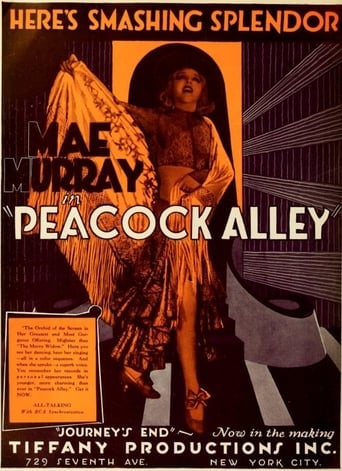
- Made a disastrous comeback attempt in 1930 with 'Peacock Alley', her first sound film
- Spent her final years in a nursing home, often claiming she was still a major star
- Was friends with fellow silent stars Rudolph Valentino and Gloria Swanson
- Many of her films have been lost, a common fate for silent-era productions
- Reportedly turned down the role that ultimately went to Janet Gaynor in 'Sunrise' (1927)
- Was known for her extravagant lifestyle, including a mansion with 52 rooms and a staff of 17 servants
In Their Own Words
I was the most beautiful woman in the world. Everyone said so. I had everything - beauty, fame, money, admirers. But I wasn't happy.
The camera loves beauty, but it also loves tragedy. I gave it both.
In silent pictures, we had to express everything with our eyes and our bodies. We were true actors, not just readers of lines.
Hollywood is a place where they'll pay you a thousand dollars for a kiss and fifty cents for your soul.
I don't regret anything. I've lived a full life. I've loved and been loved. I've been to the top and I've been to the bottom. What more could anyone ask for?
Frequently Asked Questions
Who was Mae Murray?
Mae Murray was.' She began as a Broadway dancer with the Ziegfeld Follies before becoming a major Hollywood star in the 1920s, particularly famous for her role in 'The Merry Widow' (1925).
What films is Mae Murray best known for?
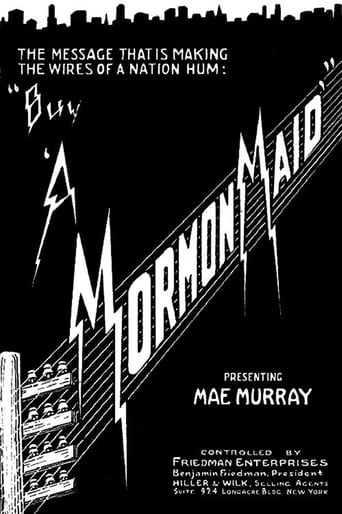
Titles linked here include The Merry Widow (1925), A Mormon Maid (1917).
When was Mae Murray born and when did she die?
Born May 10, 1885; died March 23, 1965.
What awards did Mae Murray win?
While Mae Murray did not receive any major film awards during her career peak (as many modern awards did not exist in the silent era), she was posthumously honored with a star on the Hollywood Walk of Fame at 6318 Hollywood Boulevard. She was also one of the highest-paid actresses of her time, earning up to $10,000 per week at the height of her fame.
What was Mae Murray's acting style?
Mae Murray was known for her highly theatrical and exaggerated acting style, characterized by dramatic gestures, intense facial expressions, and a distinctive physical presence. Her dance background influenced her fluid movements on screen, and her signature pout and expressive eyes became her trademarks. Her style was perfectly suited to the silent era's emphasis on visual storytelling and emotional expression through physical means.
Why did Mae Murray's career decline?
Mae Murray's career declined dramatically with the advent of sound films due to several factors: her resistance to adapting to the new medium, increasingly difficult behavior on set, a highly publicized divorce from director Robert Z. Leonard, and a disastrous second marriage to Prince David Mdivani who allegedly mismanaged her career and finances. Her one attempt at a sound film, 'Peacock Alley' (1930), was a critical and commercial failure.
What was Mae Murray's personal life like?
Mae Murray had a dramatic personal life that included two marriages: first to director Robert Z. Leonard (1918-1925), with whom she had a son, and second to Prince David Mdivani (1926-1933). Her later years were marked by financial struggles, mental health issues, and periods of institutionalization. She died in poverty and relative obscurity, a stark contrast to her earlier glamour and success.
What is Mae Murray's legacy in film history?
Mae Murray's legacy endures as. Her performance in 'The Merry Widow' remains a classic of silent cinema, and her dramatic life story serves as a cautionary tale about Hollywood's star system. She influenced beauty standards and acting styles of her era, and her films continue to be studied by film historians and silent cinema enthusiasts.