
Hope Hampton
Actor
Born: February 19, 1897 in Houston, Texas, United States Died: January 19, 1982 Active: 1921-1925
Films
3 films
About Hope Hampton
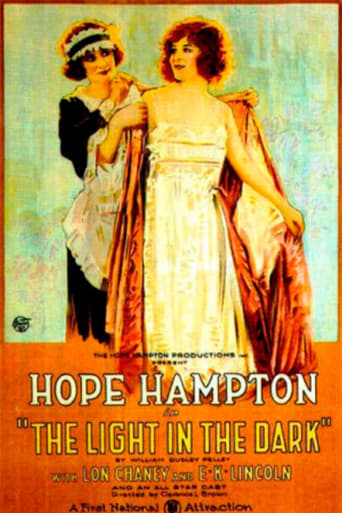
American silent film actress and singer who rose to prominence in the early 1920s, discovered by a talent scout while performing in theater. She signed with Famous Players-Lasky Corporation (later Paramount Pictures) and quickly became one of the era's most glamorous screen stars, known for her striking beauty and dramatic performances in melodramas. Her most significant film work came in 1922 with 'The Light in the Dark,' but her career was cut short when she married J. Stanley McCormick, heir to the International Harvester fortune. After leaving films, she transitioned into high society life, becoming known as a socialite and philanthropist while occasionally pursuing opera singing in Europe. Her brief but impactful career coincided with early color film technology experiments, making her one of the first actresses captured in color. Hampton represents the archetype of silent-era stardom that served as a springboard to broader social prominence and wealth.
The Craft
On Screen
Hampton was known for her dramatic, emotive style typical of silent film actresses of her era. She specialized in melodramatic roles that allowed her to showcase her expressive face and physical presence, capitalizing on her striking beauty and glamorous image. Her performances emphasized emotional intensity and romantic appeal, with a theatrical approach that connected with audiences of the silent period. Her screen presence was characterized by graceful movements and carefully composed poses that highlighted her status as a beauty icon of early cinema.
Milestones
- Starred in 'The Light in the Dark' (1922), her most notable film
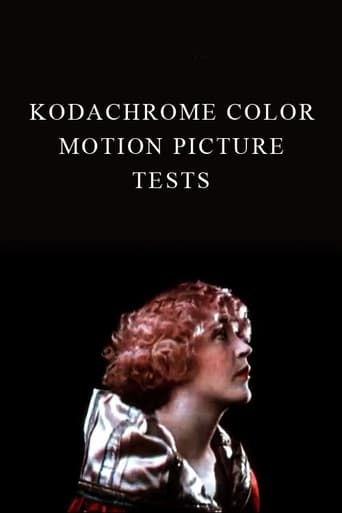
- Appeared in Kodachrome Two-Color Test Shots (1922)
- Signed lucrative contract with Famous Players-Lasky Corporation
- Transitioned from film to opera singing after her acting career
- Became prominent socialite following marriage to industrialist heir
- Known as 'The Girl with the Million Dollar Legs' in contemporary press
Best Known For
Iconic Roles
Must-See Films
Accolades
Special Recognition
- Recognized as
- Featured in numerous fan magazines and beauty polls of the 1920s
Working Relationships
Worked Often With
Studios
Why They Matter
Impact on Culture
Hope Hampton represented the archetype of the silent film star who successfully transitioned from cinema to high society, embodying the glamour and romanticism of early Hollywood. Her participation in color film experiments with Kodachrome technology preserved her image as part of cinema's technical evolution, making her one of the first actresses captured in color. Her story illustrates how film stardom in the early 1920s could serve as a springboard to social prominence and advantageous marriages into wealthy families. Hampton's career trajectory reflected broader patterns in celebrity culture of the era, where actresses often leveraged their fame and beauty to secure positions in elite society.
Lasting Legacy
Hope Hampton's legacy lies in her representation of early Hollywood glamour and the transitional nature of stardom in the 1920s. Though her film career was brief, her preserved performances offer modern audiences valuable insight into the acting styles, visual aesthetics, and technical innovations of the silent era. Her appearance in early color film tests makes her historically significant as one of cinema's first color subjects. Her story exemplifies the phenomenon of silent-era stars using their celebrity to enter high society, a pattern that would influence celebrity culture for decades. The preservation of her image in both black-and-white and early color formats provides a unique window into the visual culture of early cinema.
Who They Inspired
Her influence was primarily cultural rather than artistic, as she represented the ideal of feminine beauty and glamour of her era. She influenced perceptions of celebrity and demonstrated how film stardom could be leveraged for social advancement. Her participation in early color technology experiments contributed to the development and acceptance of color in cinema. Hampton's successful transition from actress to society figure influenced how later celebrities viewed their careers as platforms for broader social and economic opportunities.
Off Screen
Hope Hampton's personal life dramatically changed in 1922 when she married J. Stanley McCormick, an heir to the International Harvester fortune who suffered from mental health issues. This marriage effectively ended her film career as she transitioned into the role of wealthy socialite and caregiver. She became known for her philanthropic work and hosting elaborate social events, maintaining her celebrity status long after leaving Hollywood. Despite her husband's condition, their marriage lasted until his death in 1947. Hampton never had children and spent her later years divided between America and Europe, occasionally pursuing her interest in opera singing.
Education
Limited formal education records exist, but she received training in both acting and singing that prepared her for her entertainment career. Her early theatrical experience provided much of her professional development.
Family
- J. Stanley McCormick (1922-1947)
Did You Know?
- Discovered by a talent scout while performing in a theater production
- Her marriage to J. Stanley McCormick was
- Participated in early color film experiments, making her one of the first actresses captured in color
- Known as 'The Girl with the Million Dollar Legs' in contemporary press coverage
- After leaving films, pursued opera singing and performed in Europe
- Known for her elaborate wardrobe and fashion sense
- Her films were often vehicles to showcase her beauty and singing voice
- Featured in numerous fan magazines of the era including Photoplay and Motion Picture Magazine
- Her transition from actress to socialite was covered extensively in the press
- Maintained her celebrity status long after leaving the film industry through society columns and charity work
- The Kodachrome tests she appeared in are now historically significant artifacts of early color film technology
In Their Own Words
No specific famous quotes were found attributed to Hope Hampton in the available records
Frequently Asked Questions
Who was Hope Hampton?
American silent film actress and singer who rose to fame in the early 1920s, known for her beauty and starring roles before marrying into high society and transitioning to life as a socialite and philanthropist.
What films is Hope Hampton best known for?
Titles linked here include The Light in the Dark (1922), Kodachrome Two-Color Test Shots No. III (1922).
When was Hope Hampton born and when did she die?
Born February 19, 1897; died January 19, 1982.
What awards did Hope Hampton win?
No major film awards were recorded for Hope Hampton, as her career was during the early days of cinema before major award ceremonies like the Academy Awards were established.
What was Hope Hampton's acting style?
She was known for her dramatic, emotive style typical of silent film actresses, specializing in melodramatic roles that showcased her expressive face and physical presence, capitalizing on her striking beauty and glamorous image.
How did Hope Hampton's career end?
Her film career effectively ended in 1922 when she married wealthy industrialist J. Stanley McCormick, transitioning from Hollywood stardom to high society life as his wife and caregiver.
Was Hope Hampton involved in early color film technology?
Yes, she participated in Kodachrome Two-Color Test Shots in 1922, making her one of the first actresses captured in color film technology and preserving her image in this format.