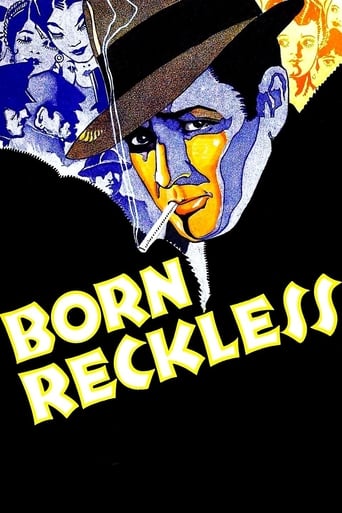
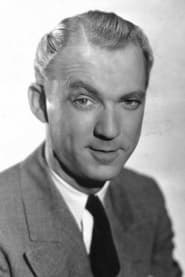
Lee Tracy
Actor
Born: April 14, 1898 in Atlanta, Georgia, USA Died: October 18, 1968 Active: 1920-1965 Birth Name: William Lee Tracy
Films
2 films
About Lee Tracy
William Lee Tracy — quintessential star of the early sound era, renowned for his staccato delivery and high-energy portrayals of cynical, fast-talking professionals. Born in Atlanta, Georgia, he served as a second lieutenant in World War I before finding his footing on the Broadway stage, where he originated the role of Hildy Johnson in 'The Front Page' (1928). His transition to Hollywood coincided with the advent of 'talkies,' where his rapid-fire speech and theatrical training made him an immediate sensation. During the early 1930s, Tracy became the face of the Pre-Code era's 'wisecracking' archetype, often playing morally ambiguous reporters, press agents, and shysters. However, his meteoric rise was famously derailed in 1934 following a scandalous incident in Mexico during the filming of 'Viva Villa!', leading to his dismissal from MGM. Though his career never fully regained its A-list momentum, he transitioned successfully into television and character roles, ultimately receiving an Academy Award nomination for his final major film performance in 'The Best Man' (1964).
The Craft
On Screen
Tracy was the master of the 'fast-talker' archetype, characterized by a rapid-fire, staccato delivery and a restless, high-strung physical energy. He excelled at playing cynical, street-smart characters who used verbal dexterity to manipulate situations, yet he often infused them with a hidden layer of vulnerability or underlying decency. His style was perfectly suited for the early sound era, where his clear, theatrical projection and quick wit stood out against the slower pacing of many silent-era transplants.
Milestones
- Originated the role of Hildy Johnson in the Broadway production of 'The Front Page' (1928)
- Became a major star of the Pre-Code era with 'Blessed Event' (1932)
- Starred alongside Jean Harlow in the Hollywood satire 'Bombshell' (1933)
- Portrayed the agent of John Barrymore's character in the classic ensemble 'Dinner at Eight' (1933)
- Received an Academy Award nomination for Best Supporting Actor for 'The Best Man' (1964)
Best Known For
Iconic Roles
Must-See Films
Accolades
Won
- New York Drama Critics Award for 'Broadway' (1926)
Nominated
- Academy Award for Best Supporting Actor for 'The Best Man' (1964)
- Golden Globe for Best Supporting Actor for 'The Best Man' (1964)
- Tony Award for Best Actor in a Play for 'The Best Man' (1960)
Special Recognition
- Hollywood Walk of Fame Star (Motion Pictures) at 1638 Vine Street (Dedicated February 8, 1960)
Working Relationships
Worked Often With
Studios
Why They Matter
Impact on Culture
Lee Tracy essentially created the template for the 'fast-talking reporter' that became a staple of American cinema. His portrayal of Hildy Johnson on stage and similar characters on screen defined the cynical, urban professional of the Great Depression era—men who lived by their wits and their words. Film historians credit him with helping to modernize American screen speech, moving it away from the formal elocution of the stage toward a more rhythmic, slang-heavy, and realistic vernacular.
Lasting Legacy
Tracy's legacy is most visible in the 'Pre-Code' revival movement, where he is celebrated as one of the era's most dynamic and authentic stars. While his career was curtailed by personal scandal, his influence lived on through actors like James Cagney and later performers who adopted his rapid-fire delivery. His late-career resurgence in 'The Best Man' served as a poignant reminder of his range, proving he could transition from the manic energy of youth to the jaded, commanding presence of an elder statesman.
Who They Inspired
He directly influenced the 'tough guy' and 'wiseguy' archetypes of the 1930s. James Cagney, who understudied him, adopted much of Tracy's rhythmic pacing and aggressive energy. The 'screwball comedy' genre also owes a debt to Tracy's verbal speed, which set the standard for the witty, overlapping dialogue that would define the genre in the late 1930s.
Off Screen
Tracy was the only child of a railroad superintendent, which led to a transient childhood moving across several states. Despite his public persona as a hard-drinking carouser who claimed to shun domesticity, he eventually settled into a long-term marriage with Helen Wyse. He was known for his blunt honesty in interviews, once famously stating he had no desire for a home or children, preferring the freedom of hotel living. He died of liver cancer in 1968 after a brief illness.
Education
Western Military Academy; Union College (studied Electrical Engineering)
Family
- Helen Thomas Wyse (1938-1968)
Did You Know?
- He was the original Hildy Johnson in 'The Front Page' on Broadway, but lost the film role to Pat O'Brien.
- He was fired from the film 'Viva Villa!' (1934) after allegedly urinating from a balcony onto a Mexican military parade, though accounts of the incident vary wildly.
- Before becoming an actor, he studied electrical engineering and served as a second lieutenant in the Army.
- He was James Cagney's predecessor in the play 'Broadway'; Cagney later credited Tracy's performance as a major influence on his own style.
- He received his only Oscar nomination 32 years after his peak stardom in the early 1930s.
- Tracy was known for his ability to ad-lib and reportedly spoke at a rate of over 200 words per minute in some films.
- He starred in the very first television version of 'Martin Kane, Private Eye' from 1952 to 1953.
In Their Own Words
I heard a parade going by. I ran out on the balcony, waved and shouted, 'Viva La Parade.' I had on pajama pants. Some of the boys in the parade saw me waving my arms and shouting—they hollered back. (Regarding the 1934 Mexico incident)
I have no desire for a home or children. I prefer to be transient, living in hotel rooms.
I'm not a leading man. I'm a character actor who happened to get lucky for a few years.
Frequently Asked Questions
Who was Lee Tracy?
Prominent American with credits in this catalog. He was a major star of the Pre-Code era before a scandal in Mexico derailed his leading-man career.
What films is Lee Tracy best known for?
Titles linked here include Blessed Event (1932), Doctor X (1932).
When was Lee Tracy born and when did he die?
Born April 14, 1898; died October 18, 1968.
What awards did Lee Tracy win?
While he did not win an Oscar, he was nominated for Best Supporting Actor for 'The Best Man' (1964). He also received a Tony nomination for the stage version of the same story and won a New York Drama Critics Award early in his career.
What was Lee Tracy's acting style?
He was famous for his 'staccato' delivery, speaking with incredible speed and nervous energy. He specialized in cynical, wisecracking characters who were typical of the early sound era's urban comedies and dramas.
Why was Lee Tracy fired from MGM?
He was fired in 1934 following an incident in Mexico City where he reportedly insulted a military parade from his hotel balcony. The scandal led MGM to invoke a morals clause and terminate his contract to maintain good relations with the Mexican government.