Henry R. Bowers
Actor
Born: July 29, 1883 in Greenock, Scotland, United Kingdom Died: March 29, 1912 (estimated) Active: 1924-1924 (posthumous film appearance) Birth Name: Henry Robertson Bowers
Films
1 film
About Henry R. Bowers
Henry Robertson Bowers — Scottish Royal Navy officer and polar explorer who gained posthumous recognition through his appearance in the documentary film 'The Great White Silence' (1924). Born in Greenock, Scotland, he joined the Royal Navy in 1905 and later volunteered for Captain Robert Falcon Scott's Terra Nova Expedition to Antarctica. Bowers was known for his exceptional physical endurance, cheerful disposition, and meticulous record-keeping during the expedition. He was selected as one of the final five-man party to attempt to reach the South Pole in 1912. Bowers, along with Scott, Wilson, Oates, and Evans, successfully reached the South Pole on January 17, 1912, only to discover that Roald Amundsen's Norwegian team had preceded them by 34 days. The entire party perished on their return journey, with Bowers dying in his tent alongside Scott and Wilson in late March 1912. His diaries and photographs from the expedition provided crucial material for the 1924 documentary that brought his story to cinema audiences.
The Craft
On Screen
Not applicable - appeared in authentic expedition footage rather than performing as an actor
Milestones
- Joined Royal Navy in 1905
- Selected for Terra Nova Expedition (1910-1913)
- Reached South Pole with Scott's final party (1912)
- Expedition photographs and diaries preserved for historical record
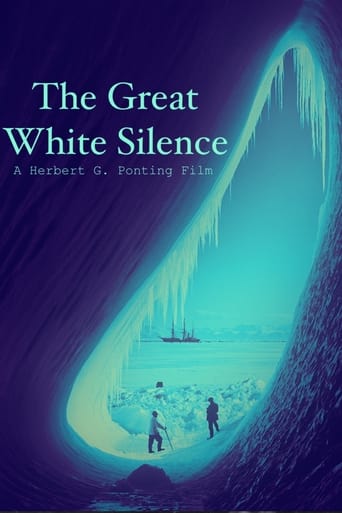
- Featured in 'The Great White Silence' documentary (1924)
Best Known For
Iconic Roles
Must-See Films
Accolades
Special Recognition
- Polar Medal (1912, awarded posthumously)
- Bowers Island in Antarctica named in his honor
- Bowers Hills in Antarctica named after him
- Royal Geographical Society recognition for expedition contributions
Working Relationships
Worked Often With
Studios
Why They Matter
Impact on Culture
Henry R. Bowers' appearance in 'The Great White Silence' helped bring the tragic story of Scott's expedition to cinema audiences worldwide, creating one of the earliest examples of documentary filmmaking using authentic footage. His images and writings from the expedition have become invaluable historical documents that shaped public understanding of polar exploration. The film, featuring Bowers and his comrades, established a template for adventure documentaries and influenced how exploration stories would be told in cinema for decades. Bowers' cheerful demeanor even in the face of death, as captured in his writings and shown in the film, created a lasting archetype of the heroic explorer.
Lasting Legacy
Henry R. Bowers is remembered as one of the heroic figures of the Heroic Age of Antarctic Exploration. His scientific contributions, meteorological observations, and photographic records from the Terra Nova Expedition remain valuable resources for polar researchers. The footage of Bowers in 'The Great White Silence' represents some of the earliest moving images of Antarctic exploration and has been preserved as historically significant cinema. His story exemplifies the spirit of sacrifice and exploration that defined early 20th century adventure narratives. Multiple geographical features in Antarctica bear his name, ensuring his permanent place in the history of polar exploration.
Who They Inspired
While not a filmmaker or actor by profession, Bowers' authentic presence in 'The Great White Silence' influenced documentary filmmaking by demonstrating the power of real footage over dramatization. His meticulous documentation methods set standards for expedition recording that influenced future explorers and filmmakers. The emotional impact of seeing real explorers like Bowers in their natural environment helped establish the documentary genre's ability to convey authentic human experience. His story has inspired numerous books, films, and documentaries about polar exploration, cementing his place in popular culture as a symbol of courage and scientific dedication.
Off Screen
Henry Robertson Bowers never married and had no children. He was known for his strong religious faith and maintained correspondence with his mother and sister throughout the expedition. His father died when he was young, and he was raised primarily by his mother. Bowers was described by expedition colleagues as exceptionally cheerful and optimistic, even in the most dire circumstances. He maintained detailed diaries and was an accomplished photographer, documenting the expedition extensively. His last letters to his mother revealed his acceptance of fate and pride in their achievements.
Education
Royal Naval College, Greenwich; specialized in navigation and surveying
Did You Know?
- Known as 'Birdie' to his expedition companions due to his small stature and energetic personality
- Was originally not selected for the South Pole party but was added by Scott at the last minute
- His religious faith was so strong that he held services for the expedition members
- Despite freezing conditions, he maintained his beard throughout the expedition
- His photographs were among the best taken during the entire expedition
- He could navigate by the stars without instruments
- His final diary entry was written on March 29, 1912
- He was the only member of Scott's party who had never previously been to Antarctica
- His body was never recovered, along with Scott and Wilson
- The tent containing their bodies was eventually buried under snow and remains at the site
In Their Own Words
We are having a very bad time with the cold and the weather, but we are keeping up our spirits and hope to reach the camp soon.
I am just writing a few lines to let you know that we are all well and in good spirits, though the weather is very bad.
I am afraid we are in a very bad position, but we are keeping up our spirits and hope to get through somehow.
I am proud to have been associated with Captain Scott and his companions in this great enterprise.
We have reached the Pole, but it has been a terrible journey and we are very tired.
Frequently Asked Questions
Who was Henry R. Bowers?
Henry Robertson Bowers — Scottish Royal Navy officer and polar explorer who was part of Captain Robert Falcon Scott's ill-fated Terra Nova Expedition to Antarctica. He appeared posthumously in the 1924 documentary 'The Great White Silence' through expedition footage, making him technically an 'actor' in that film. Bowers was one of the five-man party that reached the South Pole in 1912 but perished on the return journey.
What films is Henry R. Bowers best known for?
Titles linked here include The Great White Silence (1924).
When was Henry R. Bowers born and when did he die?
Born July 29, 1883; died March 29, 1912 (estimated).
What awards did Henry R. Bowers win?
Henry R. Bowers was posthumously awarded the Polar Medal in 1912 for his contributions to Antarctic exploration. He also received numerous posthumous honors including geographical features named after him in Antarctica, such as Bowers Island and the Bowers Hills. He did not receive any film industry awards as he was not a professional actor.
What was Henry R. Bowers' role in the Terra Nova Expedition?
Bowers served as a storekeeper and scientific assistant on the Terra Nova Expedition, responsible for managing supplies and conducting various scientific observations. He was originally not meant to be part of the South Pole party but was added by Captain Scott at the last minute due to his exceptional physical fitness and navigational skills. His cheerful disposition and hard work made him invaluable to the expedition team.