Edgar Evans
Actor
Born: March 7, 1876 in Rhossili, Wales, United Kingdom Died: February 17, 1912 Active: 1890s-1912 (Naval service and expedition)
Films
1 film
About Edgar Evans
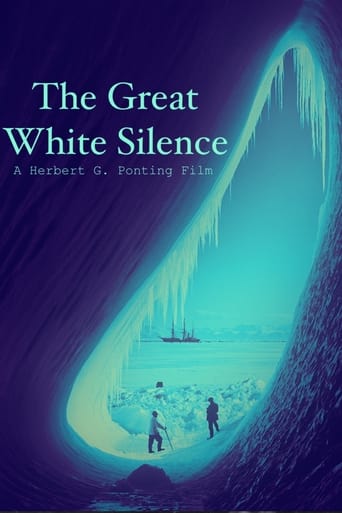
Welsh Royal Navy petty officer and member of Captain Robert Falcon Scott's ill-fated Terra Nova Expedition to Antarctica (1910-1913). Born in the small village of Rhossili on the Gower Peninsula, Evans joined the Royal Navy as a young man and served for many years before being selected for Scott's Antarctic expedition due to his physical strength and experience. He was one of the five members of the final polar party that reached the South Pole on January 17, 1912, only to discover that Roald Amundsen's Norwegian team had beaten them by 34 days. During the grueling 800-mile return journey, Evans suffered from frostbite, exhaustion, and a head injury from a fall into a crevasse. He deteriorated rapidly and died on February 17, 1912, becoming the first of the polar party to perish. His story was later documented in Herbert Ponting's film 'The Great White Silence' (1924), which used actual footage from the expedition. Evans was posthumously remembered for his courage and dedication, with Scott writing in his diary that Evans had 'borne his suffering with unflinching good nature'.
The Craft
Milestones
- Selected for Captain Scott's Terra Nova Expedition (1910)
- Member of the final five-man polar party
- Reached the South Pole on January 17, 1912
- One of the first documented Antarctic explorers captured on film
Best Known For
Iconic Roles
Must-See Films
Accolades
Won
- Polar Medal (1912, awarded posthumously)
Special Recognition
- Mount Evans in Antarctica named in his honor
- Evans Glacier named after him
- Evans Cove in Antarctica bears his name
- Memorial plaque at St. Mary's Church, Rhossili
Working Relationships
Worked Often With
Studios
Why They Matter
Impact on Culture
Edgar Evans became an iconic figure of the heroic age of Antarctic exploration, representing the working-class heroes who made these expeditions possible. His story, documented in one of the earliest documentary films, helped create the myth of the noble explorer who sacrificed everything for science and country. The film 'The Great White Silence' preserved his image and story for future generations, making him one of the first Antarctic explorers to be captured on motion picture film. His working-class background contrasted with the officer class of other expedition members, highlighting the diverse social composition of early 20th-century exploration efforts.
Lasting Legacy
Edgar Evans is remembered as one of the five heroes of the Terra Nova Expedition who reached the South Pole and perished on the return journey. His story exemplifies the courage and sacrifice of the early Antarctic explorers. Multiple geographical features in Antarctica bear his name, ensuring his permanent place in the history of polar exploration. His appearance in 'The Great White Silence' made him one of the first people ever to be documented in an extreme environment on film, contributing to the development of documentary cinema. His legacy continues to be celebrated in Wales as a local hero who achieved international recognition.
Who They Inspired
Evans's story influenced later documentary filmmakers in showing the human cost of exploration. His working-class background helped demonstrate that exploration was not limited to the upper classes, inspiring future generations from all social backgrounds. The documentation of his expedition influenced how polar expeditions would be filmed and recorded in the future. His story has been referenced in numerous books, documentaries, and educational materials about the heroic age of Antarctic exploration.
Off Screen
Edgar Evans married Lois Beynon in 1904, and they had three children together. His family lived in Portsmouth while he was serving in the Royal Navy. Evans was known for his physical strength, good humor, and loyalty to his comrades. His death left his wife a widow at age 32 with three young children to raise. The British government and various expedition funds later provided some financial support to his family.
Education
Basic education typical of Royal Navy enlistees in the late 19th century; specialized naval training
Family
- Lois Beynon (1904-1912)
Did You Know?
- He was nicknamed 'Taff Evans' by his fellow expedition members
- He was the only member of the final polar party from a working-class background
- His physical strength made him invaluable for hauling sledges in extreme conditions
- He was the first of the polar party to die during the return journey
- His last words were reportedly 'I'm just going outside and may be some time'
- The film footage of him was taken by Herbert Ponting, one of cinema's earliest documentary photographers
- A memorial service was held for him at St. Paul's Cathedral, London
- His widow received a pension from the Antarctic Expedition Fund
- He had previously served on HMS Discovery during Scott's earlier Antarctic expedition
- His death was documented in Scott's famous diary, which became a literary classic
In Their Own Words
I'm just going outside and may be some time
attributed last words before his death)
He has borne his suffering with unflinching good nature
Captain Scott writing about Evans in his diary)
Frequently Asked Questions
Who was Edgar Evans?
Welsh Royal Navy petty officer and member of Captain Scott's Terra Nova Expedition to Antarctica. He was one of the five-man polar party that reached the South Pole in 1912 and died during the return journey. His story was documented in the film 'The Great White Silence' (1924).
What films is Edgar Evans best known for?
Titles linked here include The Great White Silence (1924).
When was Edgar Evans born and when did he die?
Born March 7, 1876; died February 17, 1912.
What awards did Edgar Evans win?
Edgar Evans was posthumously awarded the Polar Medal in 1912 for his service on the Terra Nova Expedition. Several geographical features in Antarctica were named in his honor, including Mount Evans and Evans Glacier.
What was Edgar Evans's role in the expedition?
Evans served as a petty officer and was valued for his physical strength and endurance. He was responsible for hauling heavy sledges and performing various manual tasks essential to the expedition's success. He was selected as one of the final five members to make the journey to the South Pole.