Bryan Foy
Director
Born: February 8, 1896 in Chicago, Illinois, USA Died: April 20, 1977 Active: 1924-1963
Films
1 film
About Bryan Foy
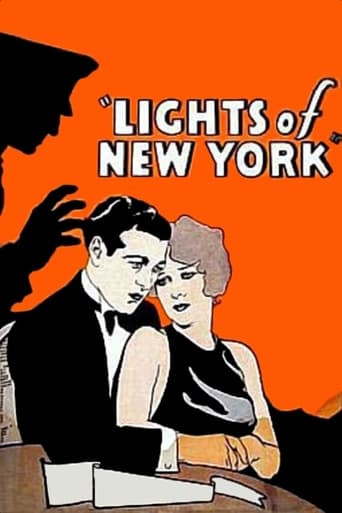
American film director and producer who in the transition from silent films to talkies. He made cinematic history by directing 'Lights of New York' (1928), widely recognized as the first all-talking feature film, which revolutionized the film industry and helped establish Warner Bros. As a leader in sound technology. Born into the famous Foy family of vaudeville entertainers, he began his career in show business at a young age and leveraged his family connections to enter the film industry. While his directing career was relatively brief, Foy found his true calling as a producer, where he became one of Hollywood's most prolific and successful producers, particularly known for his work on B-movies and low-budget productions. Over his decades-long career, he produced hundreds of films across various genres, including crime dramas, westerns, and musicals. Foy's business acumen and ability to deliver profitable films on tight budgets made him an invaluable asset to the studios he worked for, particularly Warner Bros. And later Eagle-Lion Films. His legacy includes not only his work in early sound cinema but also his role in developing the B-movie system that kept theaters programmed and audiences entertained during Hollywood's golden age.
The Craft
Behind the Camera
Bryan Foy's directing style was pragmatic and efficient, focusing on the technical requirements of early sound recording. His work on 'Lights of New York' demonstrated a practical approach to the new medium, with static camera positions and simple staging to accommodate the cumbersome sound equipment of the era. While not known for artistic innovation, his direction was clear and serviceable, prioritizing narrative clarity and audible dialogue over visual sophistication.
Milestones
- Directed 'Lights of New York' (1928) - the first all-talking feature film
- Pioneered sound film production at Warner Bros.
- Became one of Hollywood's most prolific B-movie producers
- Produced over 200 films during his career
- Head of production at Eagle-Lion Films (1946-1949)
- Successfully transitioned from vaudeville to silent films to talkies
Best Known For
Must-See Films
Accolades
Special Recognition
- Pioneer in Sound Cinema recognition
- Hollywood B-Movie Production Hall of Fame (posthumous)
Working Relationships
Worked Often With
Studios
Why They Matter
Impact on Culture
Bryan Foy's most significant cultural impact came through his direction of 'Lights of New York,' the first all-talking feature film, which fundamentally changed the course of cinema history. This film demonstrated the commercial viability of sound pictures and accelerated the industry's rapid transition away from silent films. As a producer, Foy helped establish the B-movie system that became an integral part of Hollywood's business model, providing theaters with double features and giving opportunities to countless actors, directors, and technicians who might otherwise have been excluded from the industry. His efficient production methods and focus on profitability helped shape the studio system's approach to budget filmmaking.
Lasting Legacy
Bryan Foy's legacy in film history is twofold: as a pioneer of sound cinema and excelled in B-movie production. His work on 'Lights of New York' earned him a permanent place in cinema history as the director of the first all-talking feature film. His subsequent career as a producer demonstrated that commercial success and artistic merit could coexist even in low-budget productions. Foy's approach to filmmaking—emphasizing efficiency, reliability, and audience appeal—became a model for generations of producers working in the studio system. His contributions to the development of the B-movie genre helped create a more diverse and accessible film landscape for moviegoers.
Who They Inspired
Bryan Foy influenced the film industry primarily through his business practices and production methods. His success in producing profitable low-budget films demonstrated that quality entertainment could be delivered efficiently, influencing how studios approached their B-movie divisions. Many producers who followed adopted his methods of tight budgeting, rapid production schedules, and focus on commercial appeal. His early work in sound technology also influenced how directors and technicians approached the technical challenges of recording dialogue and synchronizing sound with picture in the early years of talkies.
Off Screen
Bryan Foy was born into the renowned Foy family of vaudeville performers, with his father Eddie Foy being. He grew up in show business and often performed with his family as part of 'The Seven Little Foys' act. Foy married twice during his lifetime, first to actress Madeline Hurlock, and later to Mary MacLaren. He had several children who also entered the entertainment industry, continuing the family's multigenerational involvement in show business. Despite his success in Hollywood, Foy maintained a reputation as a practical, no-nonsense businessman who prioritized efficiency and profitability in his film productions.
Education
Limited formal education, primarily trained in vaudeville and show business through family experience
Family
- Madeline Hurlock (1925-1936)
- Mary MacLaren (1937-1977)
Did You Know?
- Came from the famous Foy vaudeville family, son of Eddie Foy Sr.
- 'Lights of New York' was shot in just 7 days with a budget of $23,000
- The film grossed over $1 million, proving talkies were commercially viable
- Produced over 200 films during his career as a producer
- Was nicknamed 'The Keeper of the B's' for his expertise in B-movie production
- Served in the US Army during World War I
- Started as a child performer in vaudeville with his family
- His brother Irving Foy also became a film producer
- Was one of the first directors to successfully handle the technical challenges of sound recording
- His production unit at Warner Bros. Was known for its efficiency and reliability
In Their Own Words
Talkies aren't a passing fancy—they're the future of pictures, and we're going to prove it.
A good B-movie is better than a bad A-picture, and a hell of a lot cheaper.
In this business, you don't need art—you need tickets sold.
We're not making masterpieces, we're making movies people will pay to see.
Frequently Asked Questions
Who was Bryan Foy?
American on YTB.my. He later became one of Hollywood's most prolific producers, specializing in B-movies and low-budget productions for major studios like Warner Bros.
What films is Bryan Foy best known for?
Titles linked here include Lights of New York (1928), The Sea Hawk (1924) - as producer.
When was Bryan Foy born and when did he die?
Born February 8, 1896; died April 20, 1977.
What was Bryan Foy's role in early sound cinema?
Foy played a pivotal role in early sound cinema by directing 'Lights of New York' (1928), which proved that all-talking feature films were commercially viable. This film helped accelerate Hollywood's transition from silent films to talkies and established Warner Bros. As a leader in sound technology.
How did Bryan Foy influence B-movie production?
Foy revolutionized B-movie production by developing efficient methods for creating profitable low-budget films. His approach emphasized tight budgets, rapid production schedules, and commercial appeal, becoming a model for studio B-movie units and helping establish the double-feature system in American theaters.
Was Bryan Foy related to other famous performers?
Yes, Bryan Foy came from the renowned Foy family of vaudeville performers. His father was Eddie Foy Sr.,.