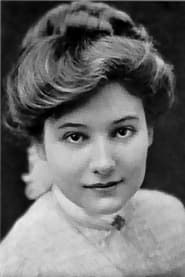
Margaret Illington
Actor
Born: June 23, 1879 in Bloomington, Illinois, USA Died: March 11, 1934 Active: 1898-1922 Birth Name: Maude Light
Films
1 film
About Margaret Illington
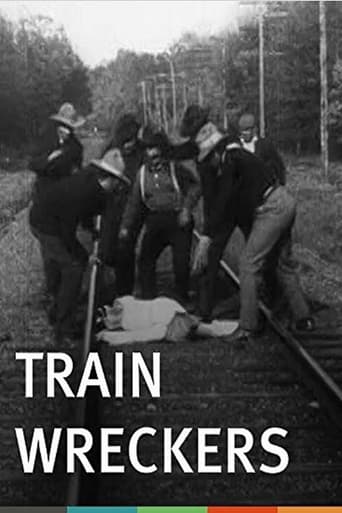
Margaret Illington, born Maude Light, was a renowned American stage actress who achieved remarkable success on Broadway during the early 20th century. She began her career in local theater productions in Illinois before moving to New York City, where she quickly rose to prominence as one of the leading dramatic actresses of her time. Her breakthrough came with her performance in 'The Governor's Lady' in 1901, which established her as a serious dramatic talent. Though primarily known for her theatrical work, she made a brief excursion into early cinema, appearing in 'The Train Wreckers' in 1905 during the nascent days of film. Her stage career flourished throughout the 1900s and 1910s, with starring roles in numerous Broadway productions that showcased her powerful dramatic presence and emotional range. Illington was particularly acclaimed for her ability to convey complex emotions and her commanding stage presence, making her one of the highest-paid actresses of her era. She retired from acting in the early 1920s, leaving behind a legacy as one of the great stage actresses of the American theater's golden age.
The Craft
On Screen
Known for her intense dramatic style and powerful emotional delivery, Illington specialized in serious dramatic roles rather than comedy. Her stage presence was commanding, with a particular talent for conveying deep emotional states through subtle gestures and facial expressions. She was celebrated for her naturalistic approach to acting, which was considered ahead of its time in the early 1900s theater scene.
Milestones
- Breakthrough role in 'The Governor's Lady' (1901)
- Starring role in 'The Little Gray Lady' (1906)
- Broadway success with 'The Stronger Sex' (1908)
- Performance in 'The Woman in the Case' (1909)
- Leading role in 'The Garden of Allah' (1911)
- Brief film appearance in 'The Train Wreckers' (1905)
Best Known For
Iconic Roles
Must-See Films
Accolades
Special Recognition
- One of the highest-paid actresses on Broadway during her peak years
- Inducted into the American Theatre Hall of Fame posthumously
Working Relationships
Worked Often With
Why They Matter
Impact on Culture
Margaret Illington represented the transition from 19th-century theatrical traditions to more modern acting styles in the early 20th century. Her success as a leading lady helped pave the way for future generations of serious dramatic actresses on Broadway. Her brief foray into early cinema demonstrated the cross-pollination between stage and screen that characterized this transitional period in entertainment history. Illington's career exemplified the opportunities available to women in professional theater during the Progressive Era, and her financial success challenged contemporary notions about women's earning potential in the arts.
Lasting Legacy
Margaret Illington's legacy endures as one of the dramatic actresses of early 20th-century American theater. While her film work was minimal, her stage performances influenced generations of actors who followed. She is remembered for helping establish the legitimacy of serious dramatic acting by women on Broadway and for demonstrating that actresses could command both critical acclaim and substantial financial success. Her career serves as an important example of the rich theatrical culture that existed before Hollywood's dominance of American entertainment.
Who They Inspired
Illington influenced subsequent generations of stage actresses through her naturalistic acting style and her ability to carry complex dramatic productions. Her success helped establish the viability of serious dramatic roles for women in commercial theater. Many actresses of the 1920s and 1930s cited her as an inspiration for pursuing serious dramatic work rather than limiting themselves to lighter fare. Her brief appearance in early film also represents the important role stage actors played in bringing legitimacy to the new medium of cinema.
Off Screen
Margaret Illington's personal life was marked by her marriage to James K. Hackett, a prominent Broadway actor and producer. Their marriage was a significant partnership in the theater world, with Hackett often producing plays in which Illington starred. The couple was considered one of Broadway's power couples of the early 1900s. After her retirement from acting, Illington lived a relatively private life away from the public eye. She never had children and spent her later years focusing on charitable work and supporting young artists in the theater community.
Education
Educated in Bloomington, Illinois public schools; received early dramatic training at local theater companies
Family
- James K. Hackett (1905-1926, his death)
Did You Know?
- Her birth name was Maude Light, which she changed to Margaret Illington for her stage career
- She was one of the highest-paid actresses on Broadway, earning up to $2,000 per week during her peak
- Her appearance in 'The Train Wreckers' (1905) was one of her very few film roles
- She married James K. Hackett in 1905, the same year she appeared in her only known film
- Illington was known for refusing to perform on Sundays due to her religious beliefs
- She retired from acting at the height of her career in the early 1920s
- Her husband James K. Hackett was also a famous stage actor known for his Shakespearean roles
- She was particularly acclaimed for her performances in melodramas and serious dramas
- Illington was one of the first actresses to have her own theatrical production company
- Her stage costumes were often designed by the most prominent fashion designers of the era
In Their Own Words
The stage is not merely a platform for entertainment, but a pulpit for truth and human understanding.
An actress must live a thousand lives, but never lose her own soul in the process.
The greatest drama is not written on paper, but in the hearts of those who watch and feel.
Frequently Asked Questions
Who was Margaret Illington?
Prominent American stage actress who achieved fame on Broadway during the early 1900s. Born Maude Light in 1879, she became one of the highest-paid dramatic actresses of her era, known for her powerful performances in serious theatrical productions.
What films is Margaret Illington best known for?
Titles linked here include The Train Wreckers (1905).
When was Margaret Illington born and when did she die?
Born June 23, 1879; died March 11, 1934.
What awards did Margaret Illington win?
During her era, formal acting awards were not yet established, so Margaret Illington did not receive the types of awards common today. However, she was recognized as one of the highest-paid and most acclaimed actresses on Broadway, which was considered the highest honor in theater at the time.
What was Margaret Illington's acting style?
Margaret Illington was known for her intense dramatic style and naturalistic approach to acting, which was considered ahead of its time. She specialized in serious dramatic roles and was celebrated for her ability to convey deep emotions through subtle gestures and her commanding stage presence.
Was Margaret Illington married?
Yes, Margaret Illington married James K. Hackett in 1905, a prominent Broadway actor and producer. Their marriage lasted until Hackett's death in 1926, and they were considered one of Broadway's power couples during the early 1900s.
Why did Margaret Illington retire from acting?
Margaret Illington retired from acting in the early 1920s at the height of her career. While specific reasons are not fully documented, it was common for successful actresses of her era to retire early, and she may have wanted to focus on personal life and charitable work after decades of theatrical success.