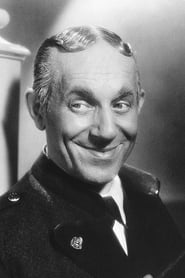
Josef Eichheim
Actor
- Born
- February 23, 1888, Munich, Bavaria, German Empire
- Died
- November 13, 1945
- Active
- 1915-1945
- Birth name
- Josef Theodor Ludwig Eichheim
Films 2

About Josef Eichheim
Josef Theodor Ludwig Eichheim was a prominent German stage and film actor who became one of the most beloved character comedians of the Weimar and early sound eras. Born in Munich in 1888, he initially trained in commerce before pursuing his passion for the stage, studying acting in Zurich and making his debut in Passau. After serving as a soldier in World War I, he spent over a decade as a fixture at the Münchner Kammerspiele, where his sharp wit and regional charm made him a local favorite. His film career began in the silent era, notably collaborating with the legendary Karl Valentin, but it was the advent of sound that truly launched him into national stardom. Eichheim specialized in 'Bayer vom Dienst' (Bavarian on duty) roles, often portraying the 'bauernschlaue Schlitzohr'—a peasant-smart, cunning rogue who frequently outwitted his social superiors. Despite his success, his life ended tragically following World War II when he was detained by Allied forces and died shortly after due to illness and malnutrition in an internment camp.
More about Josef Eichheim
On screen
Eichheim was celebrated for his 'Bavarian humor,' characterized by a dry, quick-witted delivery and a mastery of regional dialect. He excelled at playing the everyman who used folk wisdom and a sharp tongue to navigate complex situations, often blending slapstick with a more grounded, naturalistic comedic timing.
Impact on culture
Josef Eichheim was a primary architect of the 'Bavarian Comedy' subgenre in German cinema. By bringing the authentic dialect and folk archetypes of the Munich stage to the silver screen, he helped define a regional identity that resonated across German-speaking territories. His characters often represented the resilience and wit of the common man against authority, a theme that remained popular through the shifting political landscapes of the 1920s and 30s.
Lasting legacy
Eichheim is remembered as one of the most significant character actors of the early 20th-century German film industry. His work with Karl Valentin remains a subject of study for historians of surrealist and early silent comedy. In Bavaria, he is still regarded as a legendary figure of the 'Volksschauspieler' (folk actor) tradition, bridging the gap between traditional theater and modern mass media.
Who they inspired
His portrayal of the 'cunning peasant' influenced generations of German character actors, including later stars of the 'Heimatfilm' genre who adopted his blend of regional authenticity and comedic timing.
Off screen
The son of a glass merchant, Josef Ferdinand Maria Eichheim, and Josefa Maria Weikl, Josef was raised in a commercial environment before turning to the arts. He was deeply rooted in Bavarian culture, which informed his entire professional identity. His life was cut short by the chaos of the post-war period; after being arrested by American military police for reasons that remain unclear, he fell ill in the Emmering internment camp and died of complications related to malnutrition.
Education
Studied acting in Zurich (1905); previously completed a commercial apprenticeship in his father's paint and glass business.
Career milestones
- Established himself as a leading comedian at the Münchner Kammerspiele (1919-1932)
- Film debut in the Karl Valentin silent classic 'Mysterien eines Frisiersalons' (1922)
- Successfully transitioned to sound cinema, becoming a staple of German folk comedies
- Founded his own production company, Isar-Film, in 1939
- Included on the 'Gottbegnadeten-Liste' (God-gifted list) as an indispensable artist during WWII
- Known for his iconic portrayal of the 'cunning Bavarian' archetype in over 100 films
Iconic roles
- The Customer in 'Mysterien eines Frisiersalons' (1922)
- The Cunning Rogue in 'Der lachende Dritte' (1936)
- The Grandfather in 'Der verkaufte Großvater' (1942)
- Various 'Bayer vom Dienst' (Bavarian Everyman) roles
Must-see films
- Mysterien eines Frisiersalons (1922)
- The Tunnel (1933)
- Der lachende Dritte (1936)
- Venus on Trial (1941)
- Der verkaufte Großvater (1942)
- Kohlhiesel's Daughters (1943)
Special recognition
- Included on the Gottbegnadeten-Liste (1944)
- Posthumous recognition as a key figure of the Munich theater scene
Worked often with
- Karl Valentin
- Joe Stöckel
- Weiß Ferdl
- Hans Moser
Studios
- Münchner Kammerspiele
- Isar-Film (Founder)
- UFA
Did you know?
- He allegedly refused a role in the notorious propaganda film 'Jud Süß' when requested by Joseph Goebbels.
- His film debut was directed by the legendary Bertolt Brecht and Erich Engel (uncredited) alongside Karl Valentin.
- Despite his comedic reputation, he also appeared in serious dramas like the sci-fi epic 'The Tunnel' (1933).
- He was so popular that he was considered 'irreplaceable' for film production during the latter years of WWII.
- His death in 1945 is often cited as a tragic example of the harsh conditions in post-war internment camps.
- He founded his own production company just as the war began, which severely limited its output.
In their own words
I am a Bavarian by birth and by conviction, and that is the only way I know how to play.
Questions and answers
Who was Josef Eichheim?
Josef Eichheim was a famous German stage and film actor known for his comedic roles and his mastery of the Bavarian dialect. He was a staple of German cinema from the silent era through the mid-1940s.
What films is Josef Eichheim best known for?
He is best known for the silent short 'Mysterien eines Frisiersalons' (1922), the comedy 'Der lachende Dritte' (1936), and the folk classic 'Der verkaufte Großvater' (1942).
When was Josef Eichheim born and when did he die?
He was born on February 23, 1888, in Munich, Germany, and died on November 13, 1945, in Gars am Inn, following his detention in an internment camp.
What was Josef Eichheim's acting style?
Eichheim was known for his 'Bavarian on duty' persona, playing clever, rogue-like characters with a sharp, regional wit and a naturalistic comedic style.
Did Josef Eichheim win any awards?
While he did not receive modern international film awards, he was honored by being placed on the 'Gottbegnadeten-Liste' in 1944, signifying his status as one of Germany's most important cultural assets at the time.