
Helen Wright
Actor
Born: July 28, 1903 in Florence, Kansas, USA Died: September 14, 1990 Active: 1930
Films
1 film
About Helen Wright
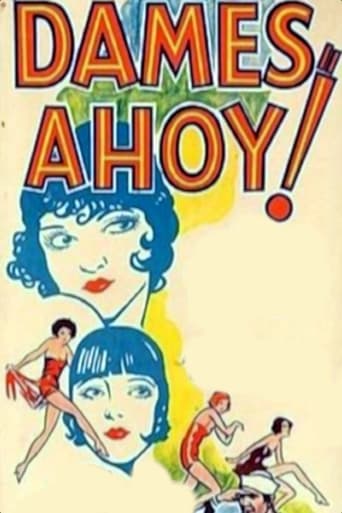
Promising American actress and singer who experienced a brief but notable period of visibility during the transition from silent films to talkies in 1930. Born in Florence, Kansas, she moved to California where she attended Long Beach Polytechnic High School, eventually pursuing a career in the performing arts. Before entering the film industry, Wright established herself as a talented stage singer and dancer, studying under the tutelage of Elizabeth David White. Her vocal talents and striking appearance caught the attention of Universal Pictures, leading to her being cast as the female lead in two major productions of 1930. She made her debut in the comedy 'Dames Ahoy' (1930) as Mabel McGuire, starring alongside Glenn Tryon in one of Universal's final silent-era releases. Following this, she transitioned to sound in the Hoot Gibson Western 'Spurs' (1930), where she played the heroine and love interest. Despite her early success and frequent appearances in studio fashion layouts, Wright's film career did not extend beyond these primary roles, and she largely faded from the Hollywood spotlight after 1930.
The Craft
On Screen
Wright was known for her 'ingenue' appeal, often cast as the charming heroine or the romantic interest in comedies and Westerns. Her background in stage singing and dance provided her with a graceful screen presence, which was particularly effective in the lighthearted comedy 'Dames Ahoy'. In her transition to sound, she maintained a naturalistic delivery that suited the rugged, early talkie Western genre.
Milestones
- Signed a contract with Universal Pictures as a featured newcomer in 1930
- Cast as the leading lady in the Universal comedy 'Dames Ahoy' (1930)
- Starred as the heroine in the early sound Western 'Spurs' (1930) opposite Hoot Gibson
- Featured in high-profile studio publicity and fashion layouts by photographer Ray Jones
- Recognized as a trained stage singer and dancer prior to her screen debut
Best Known For
Iconic Roles
Must-See Films
Accolades
Special Recognition
- Featured as a 'Universal Newcomer' in 1930 studio promotions
- Publicity portraits archived in the Ray Jones Universal Collection
Working Relationships
Worked Often With
Studios
Why They Matter
Impact on Culture
While her filmography is limited, Helen Wright represents the 'new face' of Hollywood during the 1930 transition period when studios were searching for talent that could bridge the gap between silent pantomime and the requirements of sound. Her presence in 'Dames Ahoy'—one of the last silents from a major studio—and her immediate move into a Hoot Gibson talkie illustrates the rapid evolution of the industry. She also served as a model for early 1930s Hollywood fashion, appearing in numerous studio-sanctioned layouts that influenced contemporary style.
Lasting Legacy
Wright's legacy is primarily preserved through film historians and collectors of early 1930s cinema ephemera. She is often cited in studies of 'lost' or 'brief' Hollywood careers, serving as an example of the many talented performers who were groomed for stardom during the studio system's transition but whose careers were cut short by the changing demands of the industry or personal choice. Her work in 'Spurs' remains a point of interest for fans of early sound Westerns.
Who They Inspired
Her brief career influenced the studio's approach to marketing 'multi-talented' stars who possessed both acting and musical backgrounds, a trend that became standard during the Golden Age of the Hollywood musical.
Off Screen
Helen Wright grew up in Long Beach, California, where she was active in the local community and attended Poly High. She was a dedicated student of music, specifically vocal performance, which was a central part of her early life and career ambitions. After her brief stint in Hollywood, she lived a relatively private life in Los Angeles until her passing in 1990.
Education
Long Beach Polytechnic High School; Vocal training under Elizabeth David White
Did You Know?
- She was a trained singer and dancer before ever appearing on film.
- She is often confused with an older character actress of the same name who was active from 1915-1928.
- Her film 'Dames Ahoy' was released in both a silent version and a version with a synchronized score.
- She was frequently used in fashion publicity shots for Universal Pictures in 1930.
- She attended the same high school (Long Beach Poly) as several other future Hollywood stars.
- Her role in 'Spurs' saw her playing the prize won by Hoot Gibson's character in a rodeo contest.
- She was featured in 'Inside Facts of Stage and Screen' as a rising star to watch in early 1930.
In Their Own Words
Publicity materials from 1930 described her as 'a newcomer with the voice of an angel and the grace of a dancer,' referring to her stage background.
Frequently Asked Questions
Who was Helen Wright?
American actress and singer active in 1930. She is best known for her leading roles in the Universal Pictures films 'Dames Ahoy' and 'Spurs'.
What films is Helen Wright best known for?
Titles linked here include Dames Ahoy (1930), Spurs (1930).
When was Helen Wright born and when did she die?
Born July 28, 1903; died September 14, 1990.
Was Helen Wright a singer?
Yes, before her film career, she was a professionally trained stage singer and dancer who studied with Elizabeth David White.
What was Helen Wright's acting style?
She was typically cast as an ingenue, bringing a mix of stage-trained grace and natural charm to her roles in early sound-era comedies and Westerns.
Why did Helen Wright's career end so quickly?
While the exact reason is not documented, many actors of the 1930 transition period found it difficult to maintain momentum as studios rapidly shifted their casting requirements and contract priorities.