
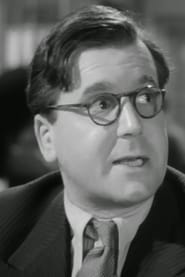
Edward Chapman
Actor
Born: October 13, 1901 in Harrogate, Yorkshire, England Died: August 9, 1977 Active: 1930-1970
Films
1 film
About Edward Chapman
British character actor: four decades of British cinema, beginning in the early 1930s and continuing through the 1960s. After establishing himself on the stage, Chapman transitioned to film and quickly became one of Britain's most recognizable supporting actors, appearing in over 80 films throughout his career. His early breakthrough came with his role in the science fiction film 'Things to Come' (1936), where he played the character of John Cabal's son. Chapman became particularly associated with the Ealing Studios comedy team of the late 1940s and early 1950s, where his versatile acting style allowed him to excel in both dramatic and comedic roles. He was known for his ability to portray authority figures, businessmen, and everyday characters with remarkable authenticity and depth. Throughout his career, Chapman worked with many of Britain's most respected directors and actors, becoming an integral part of the British film industry's golden age. His final film appearances came in the late 1960s, capping off a remarkable career that had made him one of Britain's most beloved character actors.
The Craft
On Screen
Chapman was known for his naturalistic and understated acting style, bringing authenticity to every role he portrayed. He had a remarkable ability to disappear into his characters, whether playing authority figures, businessmen, or comic relief roles. His technique was grounded in realism, using subtle gestures and nuanced expressions rather than broad theatrics. Chapman excelled at finding the humanity in even minor characters, making them memorable through his careful attention to detail and emotional truth. His versatility allowed him to seamlessly transition between drama and comedy, often within the same film.
Milestones
- Breakthrough role in 'Things to Come' (1936)
- Extensive work with Ealing Studios in the 1940s-1950s
- Appeared in over 80 films during his career
- Transition from stage to film success
- Became one of Britain's most recognizable character actors
Best Known For
Iconic Roles
Must-See Films
Working Relationships
Worked Often With
Studios
Why They Matter
Impact on Culture
Edward Chapman played a significant role in shaping the landscape of British cinema during its golden age, particularly through his work with Ealing Studios. His performances helped define the British character actor archetype, demonstrating how supporting roles could elevate films through subtle, nuanced performances. Chapman's work in the classic Ealing comedies contributed to creating a distinctly British style of humor that would influence generations of filmmakers and comedians. His ability to embody both the establishment and the common man made him a versatile asset in films exploring British social dynamics and class structures.
Lasting Legacy
Edward Chapman's legacy endures through his extensive body of work, which continues to be celebrated by film historians and classic cinema enthusiasts. He is remembered as one of Britain's most reliable and versatile character actors, whose performances added depth and authenticity to countless films. His contributions to the Ealing comedies, in particular, have ensured his place in cinema history, as these films are regarded as some of the greatest British comedies ever made. Chapman's career shows the importance of character actors in creating memorable cinema, and his work continues to be studied by actors and filmmakers interested in the art of subtle, realistic performance.
Who They Inspired
Chapman influenced subsequent generations of British character actors through his naturalistic acting style and his ability to bring depth to supporting roles. His work with Ealing Studios helped establish a template for ensemble comedy that would influence British television and film comedy for decades. Many contemporary British character actors cite the Ealing Studios performers, including Chapman, as inspirations for their approach to creating authentic, relatable characters. His technique of finding humanity in everyday roles became a model for actors seeking to make memorable impressions in limited screen time.
Off Screen
Edward Chapman was married to actress Ann Codrington from 1937 until her death in 1963. The couple had two children together. Chapman was known for being a dedicated family man who maintained a relatively private personal life despite his public career. After his wife's death, he continued acting but gradually reduced his workload. He spent his final years in England, remaining connected to the British film community until his death in 1977 at the age of 75.
Education
Limited publicly available information about formal education; likely received theatrical training for his stage career
Family
- Ann Codrington (1937-1963)
Did You Know?
- Appeared in over 80 films during his 40-year career
- Was part of the unofficial repertory company of actors at Ealing Studios
- His role in 'Things to Come' was one of his earliest film appearances
- Often played authority figures despite his everyman appearance
- Worked with virtually every major British star of his era
- Never received top billing but was considered one of Britain's most valuable supporting actors
- His active years covered from the early sound era through the swinging sixties
- Continued acting into his late 60s
- Was particularly adept at both comedy and drama
- His performances were often praised by critics for their subtlety and authenticity
Frequently Asked Questions
Who was Edward Chapman?
Screen credits include over 80 films between 1930 and 1970. He was best known for his work with Ealing Studios and his supporting roles in classic British films, particularly the celebrated Ealing comedies of the 1940s and 1950s.
What films is Edward Chapman best known for?
Titles linked here include Things to Come (1936), The Lavender Hill Mob (1951).
When was Edward Chapman born and when did he die?
Born October 13, 1901; died August 9, 1977.
What awards did Edward Chapman win?
While Edward Chapman did not receive major individual awards during his career, he was widely recognized as one of Britain's most valuable character actors and contributed significantly to the Golden Age of British cinema through his extensive body of work.
What was Edward Chapman's acting style?
Chapman was known for his naturalistic and understated acting style, bringing authenticity to every role through subtle gestures and nuanced expressions. He excelled at finding humanity in supporting characters and could seamlessly transition between dramatic and comedic roles.