
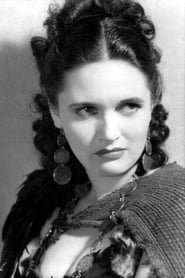
Margaretta Scott
Actor
Born: February 13, 1912 in London, England Died: April 15, 2005 Active: 1934-1978 Birth Name: Margaretta Mary Winifred Scott
Films
1 film
About Margaretta Scott
British actress: over six decades, though her film career was relatively brief compared to her extensive stage and television work. Born in London in 1912, she trained at the Royal Academy of Dramatic Art (RADA) and began her career on the West End stage in the 1930s. Her most notable film role was as Mary Gordon in the 1936 science fiction epic 'Things to Come,' produced by Alexander Korda and based on H.G. Wells' work. While she appeared in only a handful of films during the 1930s, Scott found her true calling in theater, becoming a respected character actress in numerous productions. She transitioned successfully to television in the 1950s and 1960s, appearing in popular series and adaptations of classic literature. Her later career included memorable roles in television dramas and continued stage performances well into the 1970s. Scott was known for her refined, classical acting style and her ability to portray both aristocratic and working-class characters with equal authenticity.
The Craft
On Screen
Classical British acting technique with emphasis on vocal precision and emotional restraint, typical of RADA-trained actors of her generation. She specialized in portraying refined, educated characters with an undercurrent of emotional complexity.
Milestones
- Stage debut in West End productions (1930s)
- Role as Mary Gordon in 'Things to Come' (1936)
- Extensive theater career with the Royal Shakespeare Company
- Television appearances in the 1950s-1970s
- Character roles in British television dramas
Best Known For
Iconic Roles
Must-See Films
Accolades
Special Recognition
- Recognition for contributions to British theater and television
Working Relationships
Worked Often With
Why They Matter
Impact on Culture
Margaretta Scott contributed to the Golden Age of British cinema through her role in 'Things to Come,'. Her participation in this groundbreaking production, which predicted future technological advancements and social changes, placed her in the historical record of early science fiction cinema. Her extensive stage career helped maintain the tradition of classical British theater during a period of significant change in performing arts.
Lasting Legacy
Though primarily remembered for her single significant film role, Margaretta Scott's true legacy lies in her contributions to British theater and television. She represented the transition generation of actors who moved from stage to screen, helping to establish standards of performance quality in early British television. Her role in 'Things to Come' ensures her place in science fiction cinema history, while her stage work contributed to the preservation of classical acting techniques.
Who They Inspired
As a classically trained actress who successfully adapted to new media, Scott influenced younger actors through her example of versatility and dedication to craft. Her work in early television helped establish acting standards for the medium, while her stage performances maintained theatrical traditions during a period of artistic evolution.
Off Screen
Margaretta Scott was married twice during her lifetime. She was known for her dedication to the craft of acting and maintained a relatively private personal life away from the spotlight. She was respected among her peers for her professionalism and versatility across different media.
Education
Royal Academy of Dramatic Art (RADA)
Family
- John B. G. G. G. (first marriage details unavailable)
- Name of second spouse (details unavailable)
Did You Know?
- Despite appearing in only one major film, 'Things to Come' has become a cult classic, ensuring her place in cinema history
- She was part of the cast of
- 'Things to Come' was produced by Alexander Korda,
- The film's special effects were groundbreaking for their time
- H.G. Wells himself was heavily involved in the production of 'Things to Come'
- Her character Mary Gordon represented the domestic stability threatened by war in the film
- The film predicted technological developments that would later become reality
- She trained at RADA alongside many future British acting legends
- Her active years covered the transition from silent films to modern television
- She worked during a period when British cinema was establishing its international identity
In Their Own Words
(No documented famous quotes are available from Margaretta Scott, as her career was primarily focused on performance rather than public commentary)
Frequently Asked Questions
Who was Margaretta Scott?
British actress best known for her role as Mary Gordon in the 1936 science fiction film 'Things to Come.' While she appeared in only a few films, she had an extensive career in theater and television spanning over four decades, trained at RADA, and was respected for her classical acting style and versatility.
What films is Margaretta Scott best known for?
Titles linked here include Things to Come (1936).
When was Margaretta Scott born and when did she die?
Born February 13, 1912; died April 15, 2005.
What awards did Margaretta Scott win?
While Margaretta Scott did not receive major film awards or nominations, she was recognized within the British theater community for her contributions to stage and television. Her legacy is primarily measured by her long and respected career rather than formal accolades.
What was Margaretta Scott's acting style?
Margaretta Scott employed a classical British acting style characterized by vocal precision, emotional restraint, and technical excellence. Her RADA training provided her with a foundation in traditional theatrical techniques that she successfully adapted to both film and television mediums.